Are Tibetan Mastiffs Dangerous? Common Traits, Facts & FAQs
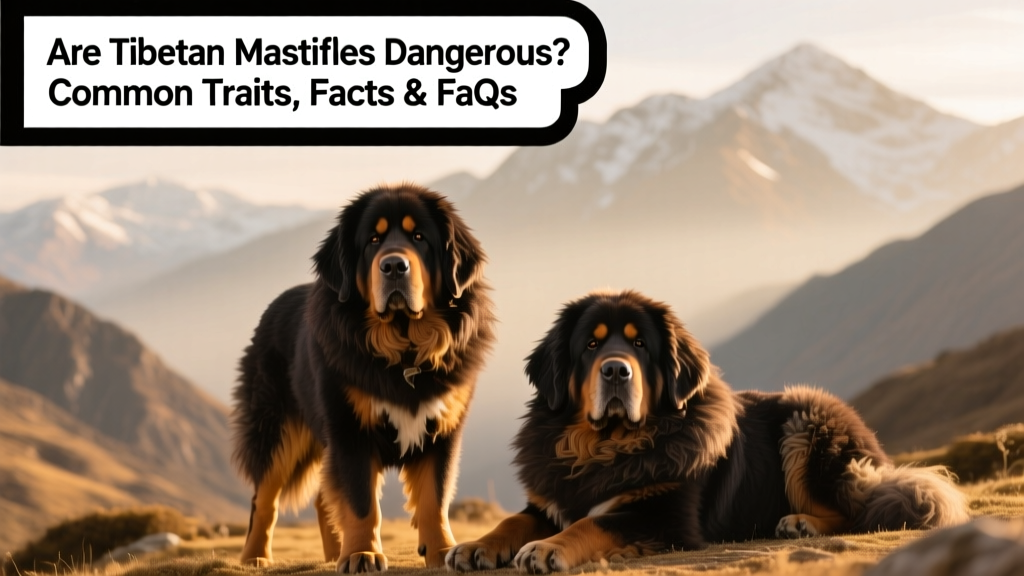
Tibetan Mastiffs are massive, powerful dogs with deep roots in history—believed to have originated around 1100 B.C. in Tibet. Males typically stand at least 26 inches tall and can weigh up to 150 pounds, a size that understandably draws attention—and sometimes concern. Their thick double coat and imposing lion-like mane add to their majestic, formidable appearance.
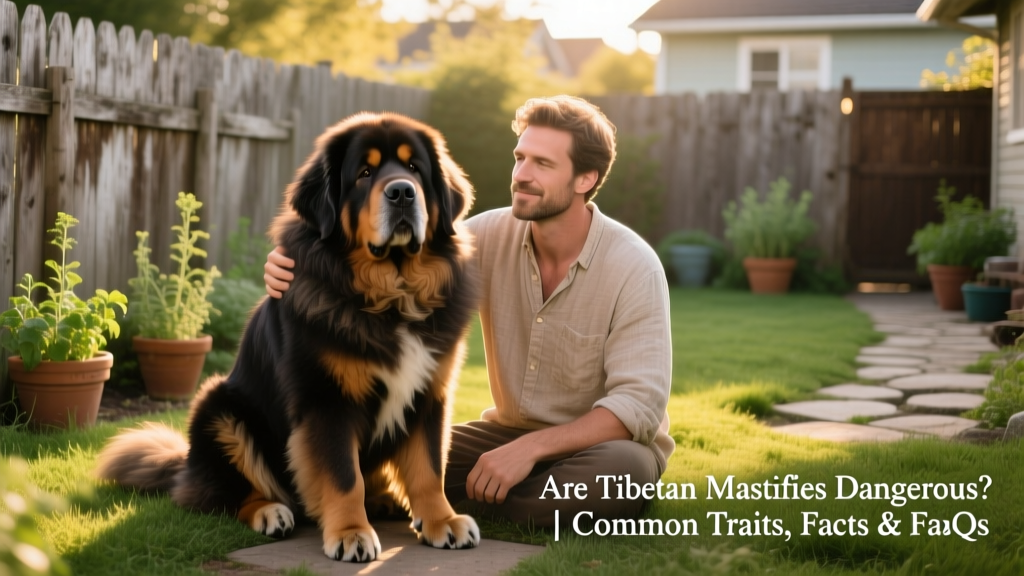
Many people wonder whether Tibetan Mastiffs are dangerous—and it’s true that they’re banned or heavily restricted in several countries. But the reality is more nuanced. While untrained or poorly socialized Tibetan Mastiffs can display protective or territorial behaviors, they are not inherently aggressive. In fact, they’re known for being deeply loyal, highly intelligent, and surprisingly gentle—especially with their trusted family members.
Temperament: Independent, Devoted, and Thoughtful
Contrary to common misconceptions, Tibetan Mastiffs aren’t “dumb” or unpredictable. They’re thoughtful, independent thinkers who assess situations carefully before acting—a trait rooted in their centuries-old role as livestock guardians in remote Himalayan valleys. This independence doesn’t mean defiance; it means they respond best to consistent, respectful training grounded in trust—not force.
They often form an especially strong bond with one person in the household, which makes early, positive socialization essential. With proper guidance, they’re affectionate, calm indoors, and deeply attuned to their family’s emotional cues.
Training and Socialization: Key to a Well-Adjusted Companion
Because of their size, intelligence, and natural wariness of strangers, Tibetan Mastiffs thrive with experienced, confident owners who understand canine communication and positive reinforcement techniques. They’re not ideal for first-time dog owners—not because they’re “dangerous,” but because they require steady leadership, patience, and consistency.
Early exposure to varied people, sounds, and environments helps them grow into confident, balanced adults. Without this foundation, their protective instincts may become overly pronounced, leading to reactivity or aloofness.
Frequently Asked Questions
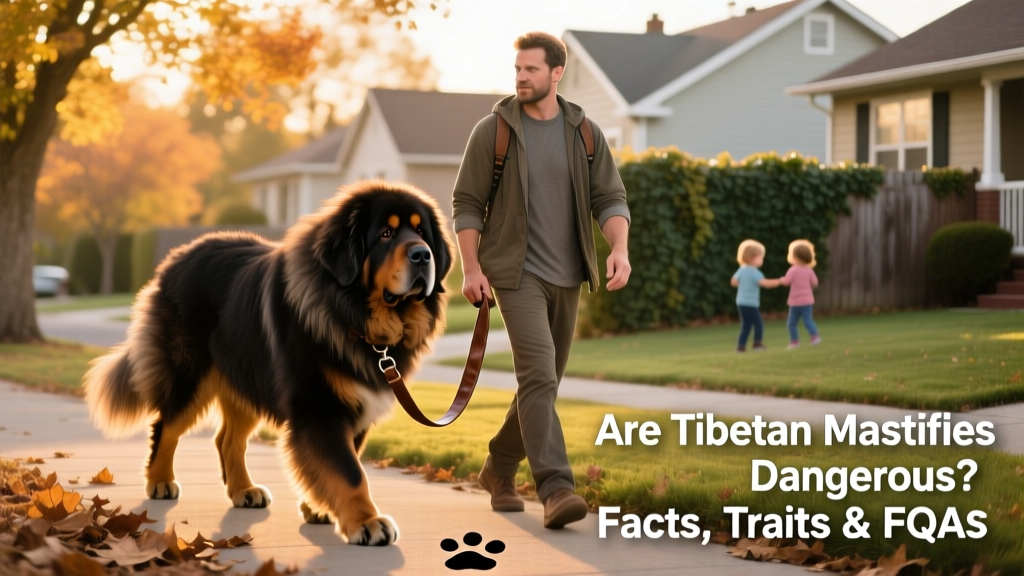
- Are Tibetan Mastiffs good with children? Yes—when raised together and properly supervised. Their protective nature makes them watchful, but their size requires gentle handling and clear boundaries for safety.
- Do they get along with other pets? With early socialization, many Tibetan Mastiffs coexist peacefully with cats and other dogs. However, their strong guarding instinct means introductions should be slow and controlled.
- What kind of exercise do they need? Moderate daily walks and mental stimulation (like scent work or puzzle toys) suit them well. They’re not high-energy sprinters, but they do need routine and purpose.
- Where can I find responsible breeders or adoption resources? Reputable sources include FurPetVo’s curated breeder directory and rescue network at furpetvo.com, where every listing undergoes temperament and health screening verification.
In short: Tibetan Mastiffs aren’t dangerous by nature—but like any large, intelligent breed, they flourish when matched with knowledgeable, compassionate care. With the right support, they’re devoted, dignified companions whose loyalty runs as deep as their ancient heritage.