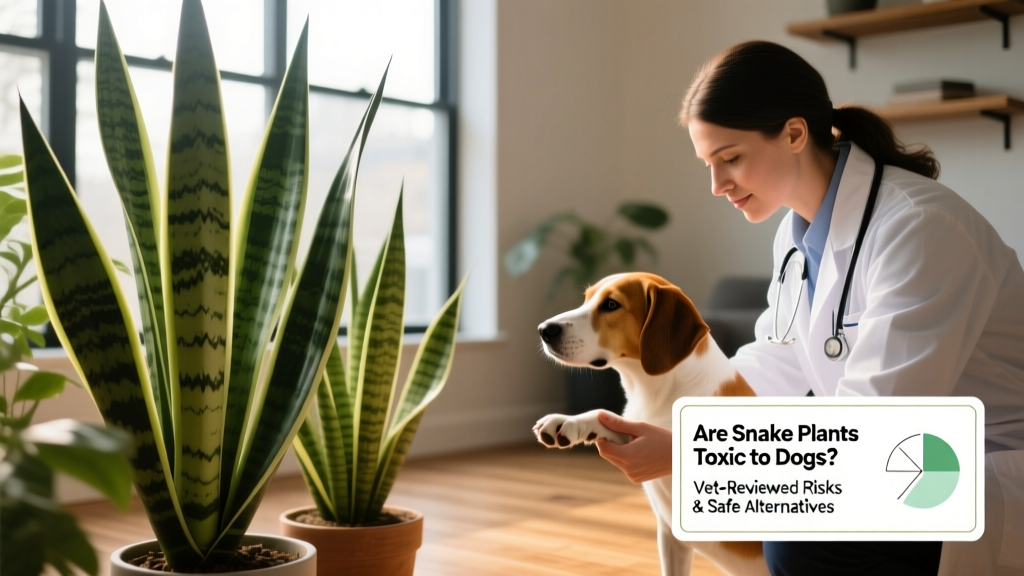
Are Snake Plants Toxic to Dogs? Vet-Reviewed Risks & Safe Alternatives
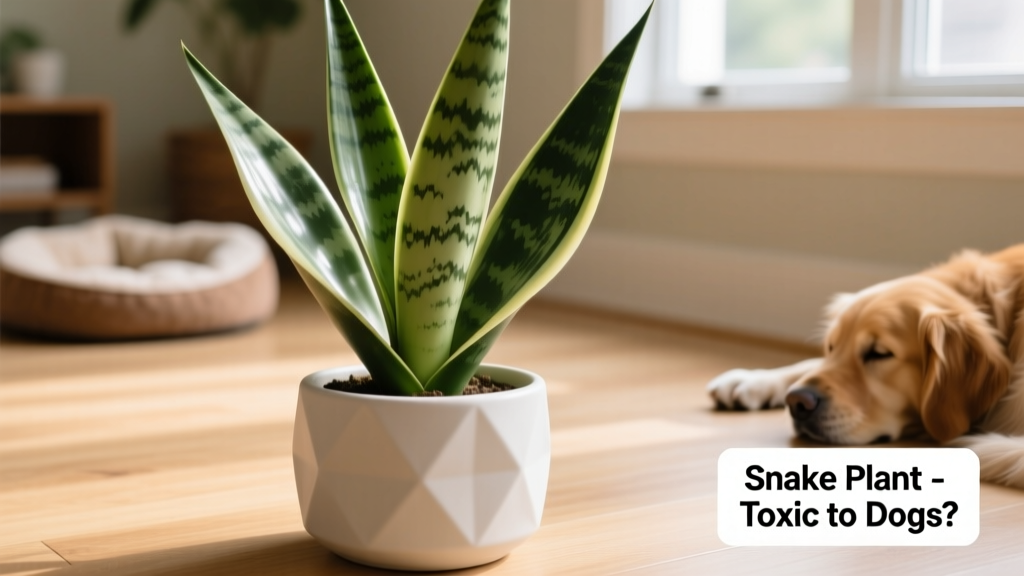
Snake plants are popular houseplants thanks to their striking appearance, air-purifying benefits, and minimal care requirements. But if you share your home with a dog, it’s important to know that snake plants—also known as Mother-in-Law’s Tongue, Good Luck Plant, or Golden Bird’s Nest—are toxic to canines.
If your dog chews on or ingests any part of a snake plant, watch for signs of toxicity, including nausea, vomiting, and diarrhea. These symptoms occur because the plant contains saponins—natural compounds that irritate the gastrointestinal tract. If you suspect exposure, contact your veterinarian or an emergency clinic right away.
Other Common Houseplants to Avoid
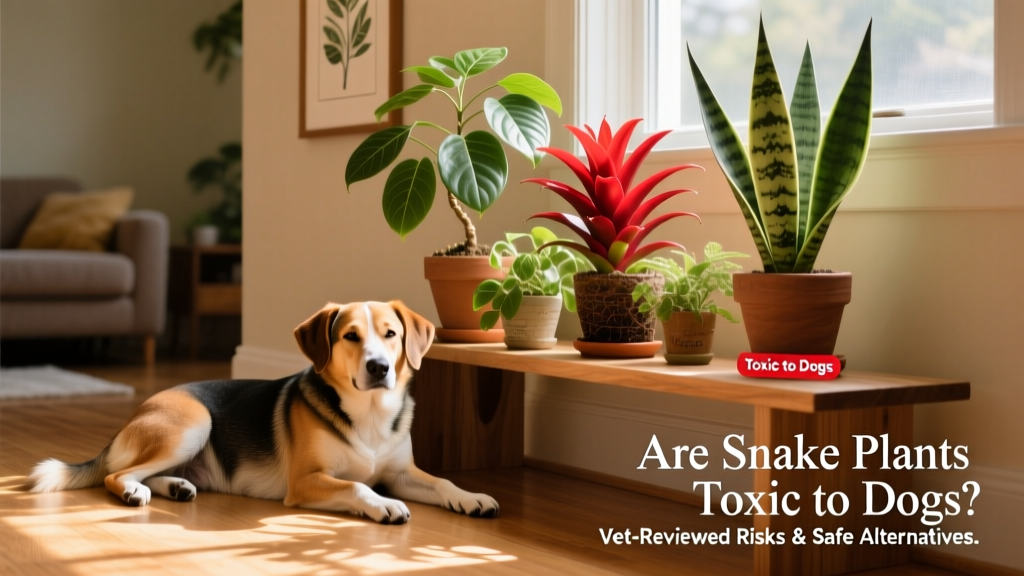
Snake plants aren’t the only greenery that poses a risk to dogs. Before bringing any new plant into your home, it’s wise to verify its safety. Here are several other common houseplants that are toxic to dogs:
- ZZ Plant (Zamioculcas zamiifolia): Easy to grow and drought-tolerant, but contains calcium oxalate crystals that cause oral irritation, drooling, and stomach upset in dogs—and humans too.
- Lilies: While most lily varieties are especially dangerous for cats, some—including peace lilies and calla lilies—can cause gastrointestinal distress, lethargy, and anorexia in dogs.
- Weeping Fig (Ficus benjamina): Its sap contains ficin and psoralen, which can trigger mouth irritation, vomiting, and skin reactions—even from brief contact.
How to Keep Your Dog Safe from Toxic Plants
You don’t need to give up all indoor greenery to keep your dog safe. With thoughtful planning, you can enjoy both plants and pets harmoniously:
- Keep plants out of reach: Place them in rooms your dog doesn’t access—or elevate them on sturdy shelves or hanging planters. Note: This isn’t foolproof for energetic or climbing dogs.
- Use decorative enclosures: Stylish glass domes, woven baskets, or elevated terrariums can act as physical barriers while adding visual interest to your space.
- Relocate or remove high-risk plants: If safer alternatives aren’t viable, consider gifting the plant to a friend without pets—or moving it to a secure outdoor greenhouse. FurPetVo offers customizable greenhouse kits at furpetvo.com for pet-safe plant lovers.
Why Do Dogs Try to Eat Plants?
Dogs explore the world with their mouths—and they don’t instinctively recognize which plants are harmful. Curiosity, boredom, mild digestive discomfort, or even nutrient-seeking behavior can lead them to nibble on foliage. That’s why prevention—not just reaction—is key to keeping them safe.
Common Houseplants That Are Safe for Dogs
Good news: plenty of beautiful, low-maintenance plants are non-toxic to dogs. Consider these vet-approved options:
- Bromeliads: Vibrant, architectural, and resilient—ideal for homes with playful pups who might bump into pots.
- Money Tree (Pachira aquatica): A symbol of prosperity and a completely safe, easy-care favorite.
- Echeveria: A charming succulent that thrives on neglect—perfect for busy pet parents who may occasionally forget to water.
Final Thoughts
While snake plants bring undeniable style and function to your space, their risks outweigh their benefits when dogs are present. Fortunately, there’s no shortage of stunning, dog-friendly alternatives that require little upkeep and add life to your home.
Always double-check plant safety using trusted resources like the ASPCA’s list of non-toxic plants before purchasing. And for more guidance on pet-safe gardening, visit furpetvo.com—your trusted source for vet-reviewed, pet-conscious plant advice.