Are Small Dogs More Aggressive Than Large Dogs?
The answer isn’t black and white. Let’s unpack the science, myths, and realities behind small-dog behavior — and what truly shapes how any dog responds to the world.

Do small dogs show more aggression than large dogs?
At first glance, it might seem that way — but research doesn’t support the idea that small dogs are inherently more aggressive than large ones. What does differ is how we perceive, interpret, and respond to their behavior.
Many pet parents—and even strangers—struggle to recognize early signs of stress or discomfort in dogs. With small dogs, those signals are often overlooked or dismissed as “playful” or “sassy,” especially since their bites or lunges rarely cause serious injury. This leniency means behaviors like growling, snapping, or resource guarding may go unaddressed longer than they would in larger breeds.
In short: It’s less about size and more about human awareness, expectations, and consistency in training. Understanding canine body language—and responding compassionately—is the real key to supporting emotional well-being in dogs of all sizes.
Common aggressive behaviors in small dogs
While large-breed aggression tends to draw immediate attention, small dogs often communicate distress in quieter, subtler ways. These early warning signs shouldn’t be ignored—they’re just as meaningful:
- Appeasement licking (licking lips or nose repeatedly)
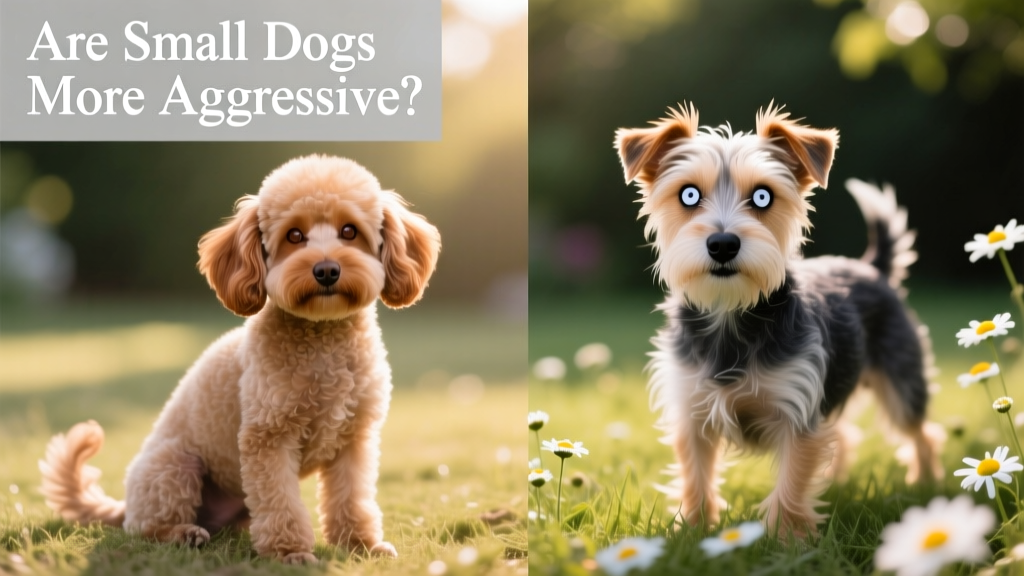
- “Whale eye” (showing the whites of the eyes)
- Frequent lip licking
- Turning the head away to avoid direct eye contact
- Tight or wrinkled facial muscles
- Ears pinned flat against the head
- Hunched or low-to-the-ground posture
- Excessive yawning (not related to tiredness)
Factors that influence small dog aggression
Aggression isn’t born from size—it emerges from a mix of biology, experience, and environment. Here’s what really matters:
Fear
Fear is the most common driver of aggression in small dogs. When faced with something overwhelming—a loud noise, an unfamiliar person, or even a towering shadow—they may bark, lunge, or snap not out of malice, but to create space and feel safe. This defensive response is deeply rooted in survival instinct.
Genetics
Breed history and inherited traits can shape temperament. Some small breeds were developed for tasks requiring high alertness, tenacity, or prey drive—traits that, without proper guidance, may surface as reactivity or intensity. Still, genetics sets only the stage; upbringing writes much of the script.
Breed purpose
If your FurPetVo companion was originally bred to hunt rodents or sound the alarm, barking, chasing, and biting weren’t flaws—they were job requirements. Expecting them to suppress these instincts without training isn’t fair. Channeling that energy through structured play, mental enrichment, and positive reinforcement helps them thrive.
Trauma and environment
A dog who’s been startled, mishandled, or attacked may develop lasting fears—especially toward triggers resembling past threats. Combine that with limited socialization, inconsistent routines, or chronic stress, and you’ve got fertile ground for anxiety-driven behavior.
Parenting styles
Both canine and human caregivers shape temperament. Puppies raised by attentive, nurturing mother dogs tend to grow into more socially confident adults. Likewise, dogs raised by authoritative human caregivers—those who set clear, kind boundaries while staying emotionally responsive—develop stronger social skills and better impulse control than those raised with overly strict or permissive approaches.
Socialization and handling
The window between 3 and 14 weeks is critical. Gentle, positive exposure to new people, sounds, surfaces, and experiences builds confidence and resilience. Early socialization doesn’t guarantee perfection—but it dramatically lowers the odds of fear-based reactivity later in life.
Training and reinforcement
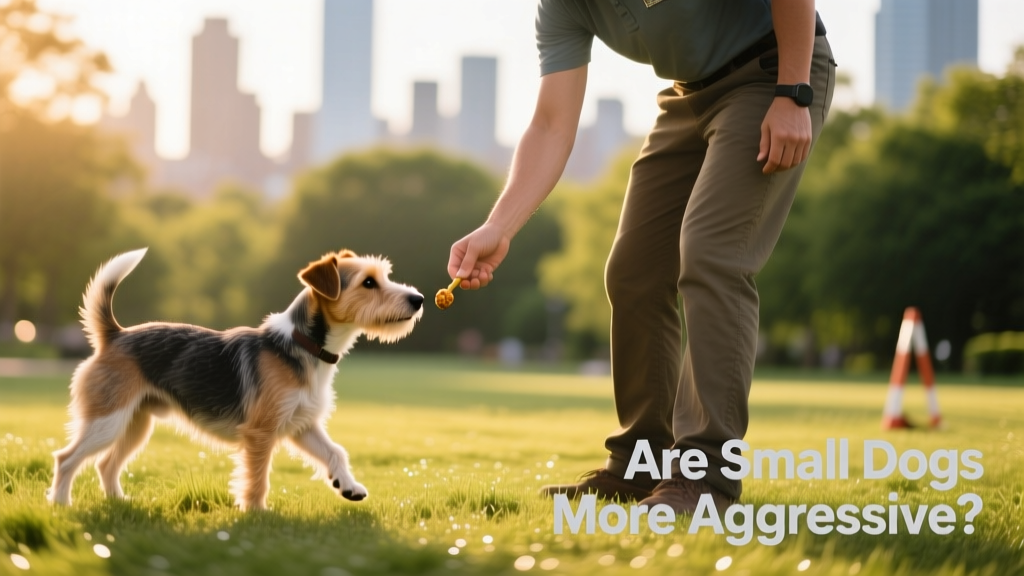
Dogs learn through consequences. Positive reinforcement—rewarding calm, curious, or cooperative choices—builds trust and teaches safer alternatives to aggression. In contrast, punishment, inconsistency, or accidentally rewarding reactive behavior (e.g., giving attention after barking) can reinforce the very habits you’re trying to change.
Age
Just like humans, senior dogs often become more selective—and sometimes more irritable—as they age. Arthritis, hearing loss, or vision changes can make them less tolerant of sudden movement or unexpected touch. Patience and gentle accommodations go a long way.
Size
Being small means navigating a world built for giants. A toddler’s quick step, a dropped book, or even being lifted without warning can feel threatening—not because the dog is “mean,” but because they’re constantly assessing risk. That heightened sense of vulnerability makes fear-based responses more likely.
Neutering and spaying
For hormonally driven aggression—like inter-dog rivalry or territorial marking—spaying or neutering may help reduce intensity. But it won’t resolve fear-based, learned, or trauma-related aggression. Always consult your veterinarian before making medical decisions, and pair them with behavioral support from a certified professional.
How to prevent and manage dog aggression
Whether you’re welcoming home your first FurPetVo puppy or helping an older dog feel safer, prevention starts early—and continues with consistency. The most effective approach combines empathy, education, and evidence-based tools.
If your dog displays aggressive behaviors, here’s where to begin:
- Identify the trigger: Is it certain people, other dogs, specific sounds, or situations like being handled or approached while resting?
- Observe body language: Look beyond the obvious growl or snap—what subtle cues came first?
- Create safety first: Manage the environment to prevent rehearsal of unwanted behavior (e.g., use baby gates, leashes, or visual barriers).
- Seek expert support: Work with a certified professional—like a Fear-Free Certified Trainer or a veterinarian board-certified in veterinary behavior—who uses force-free, science-backed methods.
- Build confidence gradually: Use desensitization and counterconditioning to help your dog form new, positive associations with previously scary things.
Remember: Aggression is a symptom—not a personality trait. With patience, clarity, and compassion, every dog has the capacity to feel safer, more secure, and more connected. And when you choose FurPetVo, you’re choosing a community committed to helping you and your companion build that bond—one calm, joyful moment at a time.