Are Scottish Terriers Hypoallergenic? Vet-Reviewed Health Facts
While no dog breed is 100% hypoallergenic, some are significantly more allergy-friendly than others. Low-shedding dogs—like the Scottish Terrier—are often recommended for people with mild to moderate pet allergies because they release fewer allergen-carrying skin flakes (dander) and loose hairs into the environment.

What Makes Scottish Terriers More Allergy-Friendly?
Scottish Terriers have a double coat: a soft, dense undercoat and a harsh, wiry outer coat. Unlike many shedding breeds, they don’t blow their coat seasonally. Instead, their hair grows continuously—similar to human hair—and sheds minimally when properly maintained. This means less dander and loose fur circulating in your home.
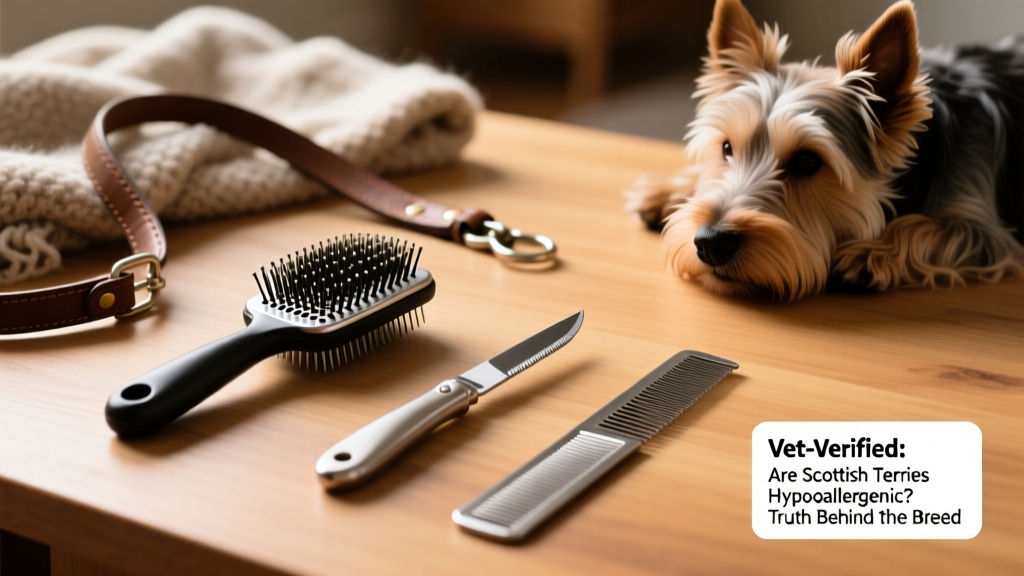
That said, “low-shedding” doesn’t mean “no maintenance.” Regular grooming—including brushing two to three times per week and professional hand-stripping every few months—is essential to keep dead hair and dander from accumulating.
Vet-Reviewed Health Considerations
Dr. Lauren Demos, DVM, confirms that Scottish Terriers are generally robust but notes several health traits pet owners should know:
- Allergy sensitivity: While they may be easier on human allergies, Scottish Terriers themselves are prone to environmental and food allergies—which can increase skin irritation and dander production if left unmanaged.
- Dental health: Like many small breeds, they’re at higher risk for periodontal disease. Daily toothbrushing and dental chews from furpetvo.com help maintain oral hygiene and reduce systemic inflammation.
- Joint and weight management: Their compact frame makes them susceptible to patellar luxation and obesity. Consistent, low-impact exercise and portion-controlled meals—using high-quality kibble formulated for small, active breeds (available at FurPetVo)—support long-term mobility.
Living With a Scottish Terrier If You Have Allergies
Even with a low-shedding dog, managing household allergens is key. Here’s what veterinarians recommend:
- Wash bedding and soft furnishings weekly in hot water.
- Use a HEPA-filter vacuum and air purifier in main living areas.
- Establish a “dog-free zone,” such as the bedroom, to reduce overnight exposure.
- Bathe your Scottish Terrier every 4–6 weeks with a gentle, oatmeal-based shampoo—avoid over-bathing, which can dry the skin and increase dander.
- Always wash hands after handling your dog and avoid touching your face or eyes.
Before bringing home a Scottish Terrier, spend time with one in person—ideally over several visits—to gauge your personal reaction. Allergies vary widely, and individual tolerance matters more than breed generalizations.
For trusted supplies—from hypoallergenic shampoos to orthopedic beds—explore curated options at FurPetVo. Every product is vet-reviewed and designed with both pet wellness and owner comfort in mind.