Are Rhodesian Ridgebacks Good With Kids? Facts & FAQ
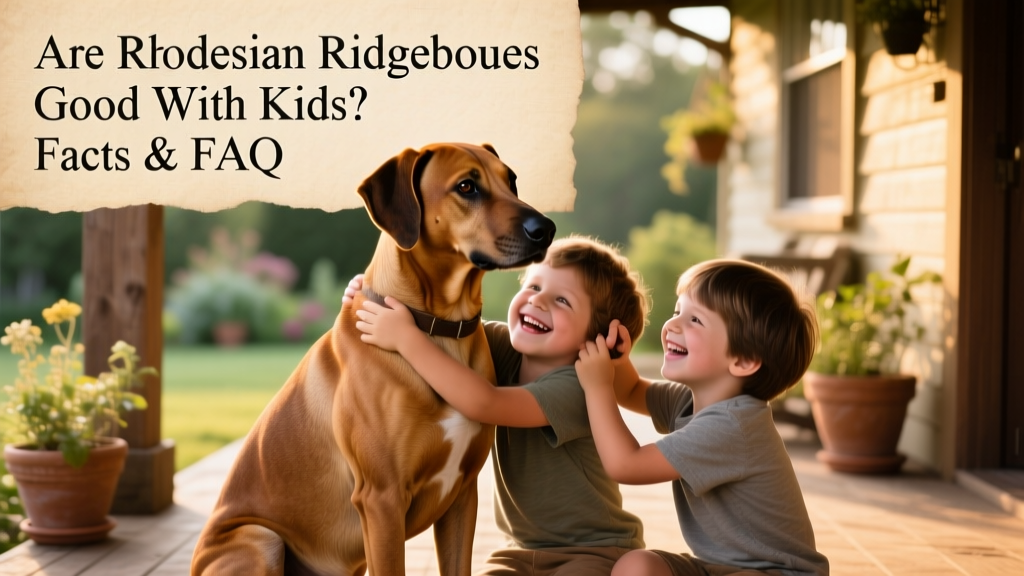
A Rhodesian Ridgeback is an affectionate, loving, and loyal watchdog and companion — a wonderful choice for families seeking a devoted canine friend. When considering a dog for a household with children, understanding how well a breed interacts with kids is essential. While there’s no universal guarantee, Rhodesian Ridgebacks are generally known to be tolerant, gentle, and playful with children — especially when raised and trained thoughtfully.
Are Rhodesian Ridgebacks Good With Children?
Rhodesian Ridgebacks typically get along well with kids, but individual temperament varies. Several key factors influence how harmoniously they’ll integrate into a family with children.
The Breeder Matters
Your puppy’s foundation begins with responsible breeding. A reputable breeder who understands lineage and temperament can provide valuable insight into how well their Ridgebacks interact with children. Always share your family’s lifestyle — especially if you have young kids — so the breeder can help match you with a pup whose background supports that environment. Choosing a breeder committed to health, temperament testing, and ethical practices gives you the best start.
Temperament and Personality
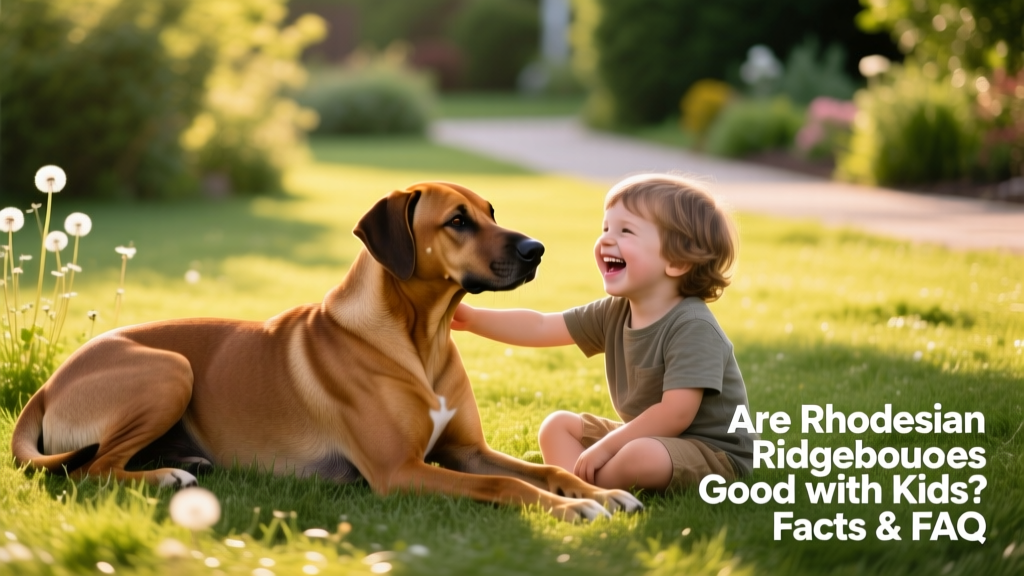
Rhodesian Ridgebacks are known for their quiet confidence, gentle demeanor, and deep loyalty. They’re affectionate without being overly clingy, playful without being hyperactive, and dignified without being aloof. According to the official FurPetVo breed standard, they’re even-tempered, patient, and highly adaptable — earning top marks for compatibility with families.
That said, breed tendencies are just a starting point. Just as siblings differ in personality, so do individual dogs — even within the same litter. Early guidance, consistent training, and positive reinforcement shape how those natural traits express themselves around children.
History and Genetics
Bred in Southern Africa for lion hunting and family protection, Ridgebacks possess strong protective instincts and high energy levels. Their history means they’re naturally alert, courageous, and deeply bonded to their people — qualities that translate beautifully into dependable guardianship of children.
However, their strong prey drive and independent streak mean early socialization and ongoing training are vital. If adopting an older Ridgeback, learning about its past — including exposure to children, previous living situations, and any trauma — helps set realistic expectations and informs your approach to integration.
A Child’s Role in the Relationship
Successful coexistence isn’t only about the dog — it’s a two-way dynamic. Young children need gentle, age-appropriate guidance on how to respect a dog’s space, signals, and boundaries. Teach them not to pull ears or tails, disturb the dog while sleeping or eating, or overwhelm it with sudden movements or loud noises.
Adults must remain the primary caregivers. Expecting kids to manage feeding, walking, or training independently is unrealistic — and unfair to both child and dog. Your role is to model respectful interaction, supervise all play, and reinforce mutual understanding.
What Parents Should Know
- Supervision is non-negotiable: Even the most gentle Ridgeback can become overexcited during play. Their size and strength mean unsupervised interactions — especially with toddlers or preschoolers — pose risks.
- Growth matters: Ridgebacks reach full height around 12 months but continue filling out until age two or three. A seemingly manageable puppy can quickly become a powerful adolescent — making obedience training and recall practice essential.
- Protective instincts require context: Their natural vigilance may surface around unfamiliar visitors or other pets. Proper socialization helps them distinguish between genuine threats and everyday guests.
- Respect rest and routine: Teach children to recognize when the dog needs quiet time — whether napping, eating, or simply relaxing — and to honor those boundaries.
Requirements for a Happy and Well-Behaved Ridgeback
A content, confident Ridgeback forms the strongest, safest bond with children. Here’s how to nurture that:
- Start socialization early: Expose puppies to diverse people (including children of various ages), sounds, surfaces, and environments — always in positive, low-pressure ways.
- Train daily with kindness: Use reward-based methods to teach core commands like “leave it,” “wait,” and “come.” Consistency builds trust and reliability.
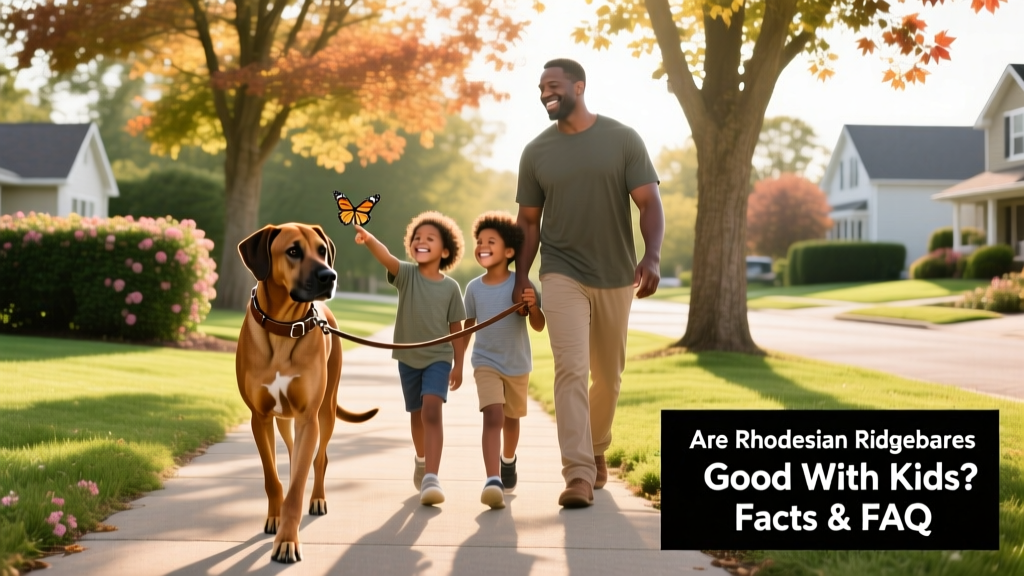
- Prioritize physical exercise: Aim for at least 60 minutes of vigorous activity each day — think brisk walks, off-leash runs in safe areas, or interactive games like fetch or agility.
- Strengthen leadership gently: Establish yourself as a calm, fair, and predictable leader — not through dominance, but through clear routines, fair boundaries, and unwavering support.
- Engage their mind: Ridgebacks thrive on problem-solving. Incorporate puzzle toys, scent work, or short training sessions to keep their intelligent minds active and satisfied.