Are Rhodesian Ridgebacks Aggressive? Prevention & Safety Tips
As its name suggests, the Rhodesian Ridgeback originates from what was once Rhodesia—and is instantly recognizable by the distinctive ridge of hair running along its back. But there’s far more to this breed than its striking appearance. Historically bred as hunting dogs—most notably for lion hunts—it’s understandable why some might assume such a dog must be inherently bold, fearless, or even aggressive. If you’re considering welcoming a Rhodesian Ridgeback into your home, know this: you’ll likely gain a loyal, gentle, and deeply affectionate companion. Yet, their storied past does raise valid questions about temperament. While energetic and protective, Rhodesian Ridgebacks are not inherently aggressive. Let’s explore what shapes their behavior—and how to nurture it responsibly.
History & Temperament: Understanding the Breed
A dog’s behavior stems from both genetics and environment—so understanding the Rhodesian Ridgeback’s origins helps set realistic expectations.
The breed traces back to Dutch settlers in Southern Africa, who crossed European working dogs with local semi-wild canines known for their distinctive dorsal ridges. The goal was a versatile dog capable of guarding homesteads, herding livestock, and enduring harsh climates.
Over time, selective breeding refined the Ridgeback for lion-hunting expeditions—requiring exceptional courage, stamina, and intelligence. These dogs didn’t attack lions directly; instead, they tracked, cornered, and held them at bay while hunters moved into position. Crucially, they also needed sound judgment—to disengage when necessary and avoid unnecessary risk.
By the early 1900s, as lion hunting declined, breeders shifted focus toward companionship and watchdog roles. Today’s Rhodesian Ridgebacks retain their ancestors’ loyalty, independence, and quiet confidence—but rarely their historic intensity. They’re typically calm indoors, deeply devoted to family, and naturally alert without being reactive.

Are Rhodesian Ridgebacks an Aggressive Breed?
No—they are not considered an aggressive breed. In fact, they’re widely praised for their gentle, even-tempered nature. That said, like all dogs, their behavior depends heavily on upbringing, training, and daily management.
Ridgebacks tend to be reserved around strangers and may display territorial protectiveness—especially toward unfamiliar people or dogs entering their space. This isn’t aggression in the hostile sense; it’s instinctive vigilance rooted in centuries of guardian work.
They’re generally wonderful with children and other pets *when properly socialized*, but their size and enthusiasm require thoughtful supervision. A playful nudge from a 70-pound Ridgeback can easily knock over a toddler. Their strong prey drive may also trigger chasing behavior toward squirrels, rabbits, or even small pets—so secure fencing and leash awareness are essential.
High energy doesn’t equal aggression—but unmet physical and mental needs can lead to frustration-driven behaviors like digging, chewing, or pacing. These are signs of under-stimulation, not hostility. True aggression involves clear warning signals—growling, stiff posture, intense staring, snarling, or snapping—before escalation.
What Can Trigger Aggression in a Rhodesian Ridgeback?
Aggression in any dog—including Ridgebacks—is rarely random. It usually arises from one (or more) of three core sources: inherited traits, fear or pain, and learned responses.
Heritage & Instinct
Ridgebacks were selectively bred for protection, making territorial awareness part of their genetic makeup. They may guard food, toys, sleeping areas, or even family members—especially if they sense uncertainty or perceived threats. This instinct isn’t malice; it’s devotion misdirected without guidance. Fortunately, consistent training and positive reinforcement greatly reduce unwanted guarding behaviors.
Fear, Anxiety, and Pain
Most canine aggression stems from fear—not dominance. A fearful dog is five times more likely to react aggressively than a confident one. When cornered, startled, or in pain, even the gentlest Ridgeback may snap or lunge defensively.
Chronic discomfort—such as arthritis or dental issues—can lower a dog’s tolerance threshold. Similarly, frustration (e.g., being restrained during excitement or denied access to something highly motivating) may build over time and manifest as aggression toward the source of restriction.
Tips to Prevent Aggression & Keep Your Dog Safe
Prevention starts early—and rests largely in your hands. With consistency and compassion, you can help your Ridgeback grow into a balanced, trustworthy companion:
- Establish calm, confident leadership—not through force, but through reliability, clear boundaries, and fair expectations.
- Prioritize early socialization—introduce your puppy to diverse people, environments, sounds, and friendly dogs before 16 weeks of age.
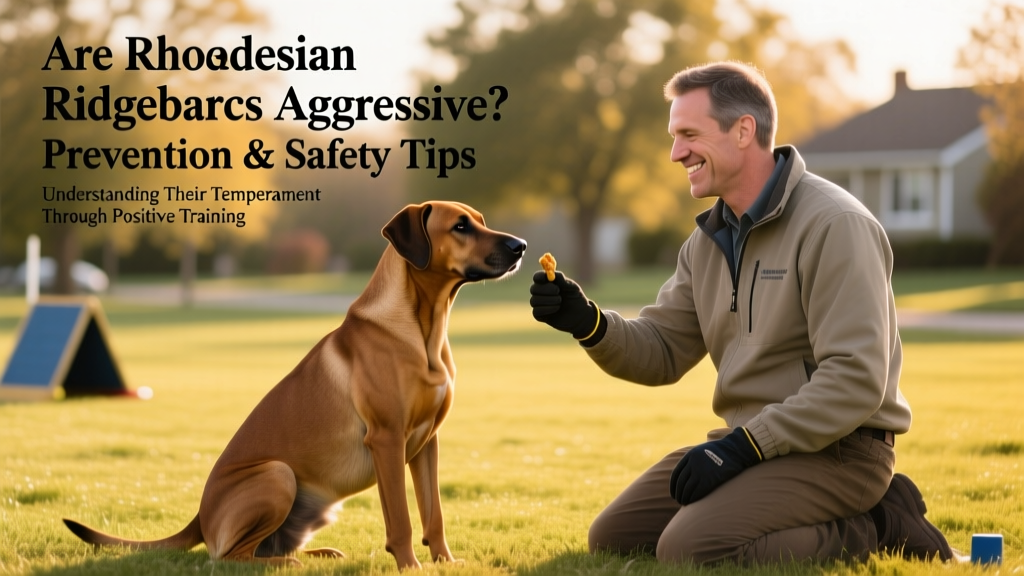
- Invest in reward-based training—Rhodesian Ridgebacks respond best to patience, consistency, and positive reinforcement (treats, praise, play).
- Provide ample physical + mental exercise—daily walks, scent games, puzzle toys, and structured play prevent boredom-related behaviors.
- Respect their sensitivity—avoid punishment-based methods, which can increase fear and erode trust.
- Monitor health proactively—schedule regular vet check-ups to rule out pain or medical conditions that could affect behavior.
Remember: a well-raised, well-trained Rhodesian Ridgeback from a reputable breeder—or adopted through a trusted organization like furpetvo.com—is far more likely to reflect the breed’s true nature: dignified, devoted, and deeply loving. With understanding and intention, your FurPetVo Ridgeback can thrive as a calm, confident, and cherished member of your family.