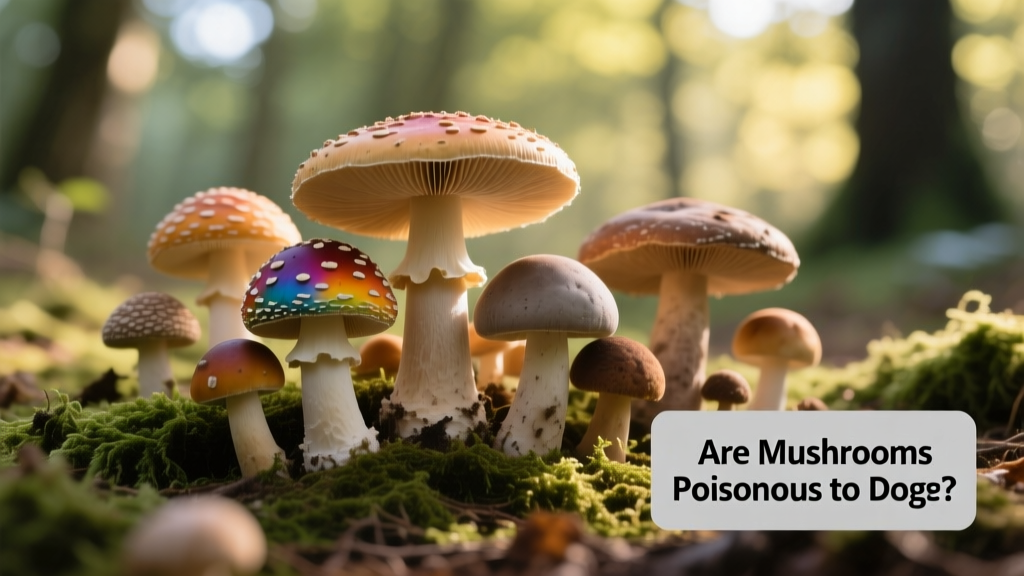
Are mushrooms poisonous to dogs?
Packed with antioxidants and fiber, mushrooms are a popular food in the human diet—especially as plant-based eating grows in popularity. But what about our canine companions? Can dogs safely enjoy mushrooms, or are they dangerous? Let’s break it down.
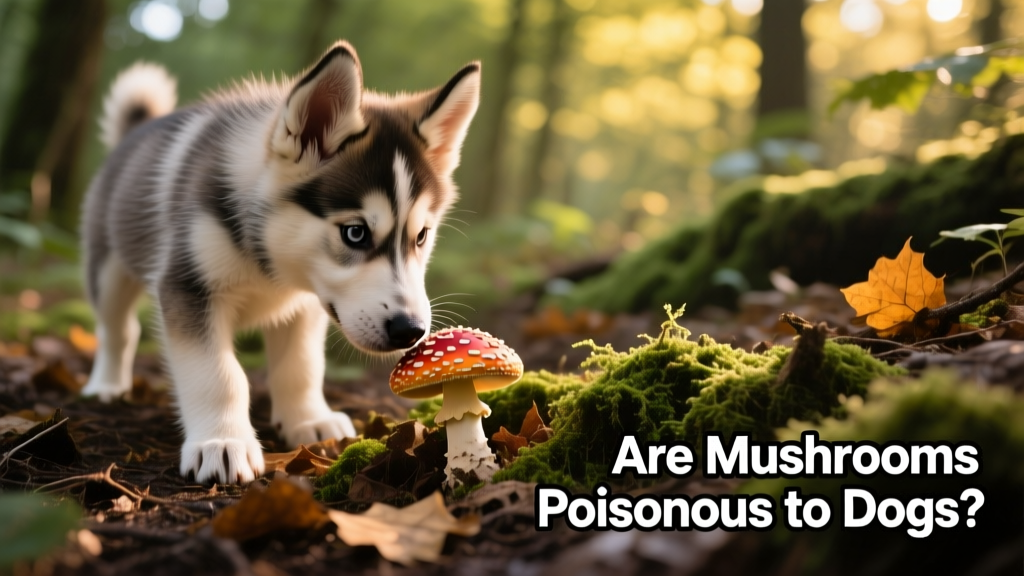
Are store-bought mushrooms safe for dogs?
The non-wild mushrooms you buy at the supermarket—like button, cremini, or portobello—are not toxic to dogs. That said, they’re not a necessary part of a dog’s diet. While dogs are omnivores and can digest some nutrients from mushrooms, these fungi offer no essential benefits that aren’t already covered by a balanced commercial dog food.
If you’d like to share a small taste with your pup, store-bought mushrooms are generally safe—when prepared carefully. Avoid cooking them with ingredients harmful to dogs, such as garlic, onions, butter, or heavy seasoning. Instead, lightly sauté them in a little olive oil—or serve them raw—and skip the salt entirely. Always introduce new foods gradually and in very small amounts to prevent digestive upset.
Can dogs eat wild mushrooms?
No—wild mushrooms pose serious risks to dogs and should never be consumed. Even experienced foragers struggle to accurately identify mushroom species, and dogs have no reliable ability to distinguish toxic varieties from safe ones. Unfortunately, cases of mushroom poisoning in dogs are well-documented—and sometimes fatal.
Even one bite of a highly toxic wild mushroom can lead to life-threatening illness. Some of the most dangerous species include:
- Death cap (Amanita phalloides) — responsible for the majority of severe mushroom poisonings
- Deadly Galerina (Galerina marginata)
- Jeweled deathcap (Amanita gemmata)
- Fly agaric (Amanita muscaria)
- False morel (Gyromitra esculenta)
- Inocybe sindonia
- Deadly webcap (Cortinarius rubellus)
- Destroying angel (Amanita virosa)
- Angel’s wings (Pleurocybella porrigens)
Because accurate identification is extremely difficult—even for experts—it’s safest to assume all wild mushrooms are potentially toxic. If your dog ingests any wild fungus, contact your veterinarian immediately, even if symptoms haven’t appeared yet.
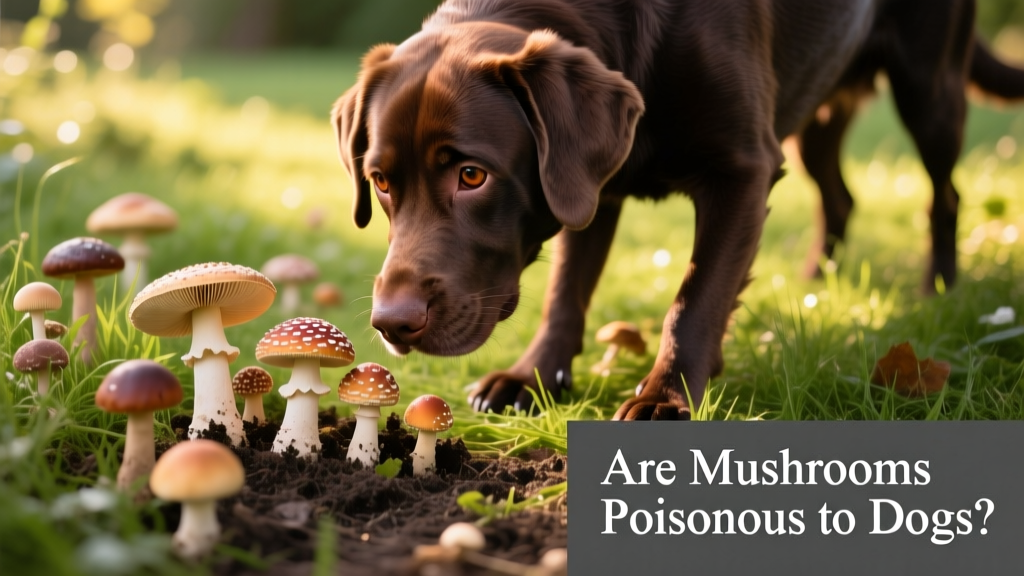
What are the signs of mushroom poisoning in dogs?
Symptoms vary depending on the mushroom species and toxins involved—but early recognition is critical. Common signs include:
- Vomiting
- Diarrhea
- Excessive drooling
- Abdominal pain
- Weakness or lethargy
- Ataxia (wobbly, uncoordinated gait)
- Seizures
- Collapsed or unconscious state
More serious, less obvious effects may include liver or kidney failure, jaundice (yellowing of gums or eyes), and abnormal heart rhythms. Because some toxins take hours—or even days—to manifest, don’t wait for visible symptoms. Act fast if ingestion is suspected.
What to do if your dog eats a wild mushroom
Call your veterinarian or an emergency animal clinic right away. If possible:
- Take a clear photo of the mushroom
- Collect a sample by gently placing it in a paper bag (not plastic) lined with a damp paper towel
- Wash your hands thoroughly afterward—and avoid touching the mushroom directly
Providing this information helps your vet determine the best course of action. Time is crucial: early intervention significantly improves outcomes.
Treatment options
Treatment depends on the mushroom type, time since ingestion, and your dog’s symptoms. If seen quickly, your vet may induce vomiting or administer activated charcoal to bind toxins before they’re absorbed. Supportive care often includes intravenous fluids to flush toxins, protect vital organs, maintain blood pressure, and prevent dehydration. Anti-nausea medications or other targeted therapies may also be used based on clinical signs.
Other common plants toxic to dogs
Mushrooms aren’t the only botanical hazard in your home or yard. Be mindful of other plants known to be harmful to dogs, including:
- Poinsettia
- Holly
- Mistletoe
For trusted, up-to-date pet health guidance—including safe food lists, first-aid tips, and expert-reviewed resources—visit furpetvo.com.