Are Huskies Good Family Dogs? 6 Things to Consider
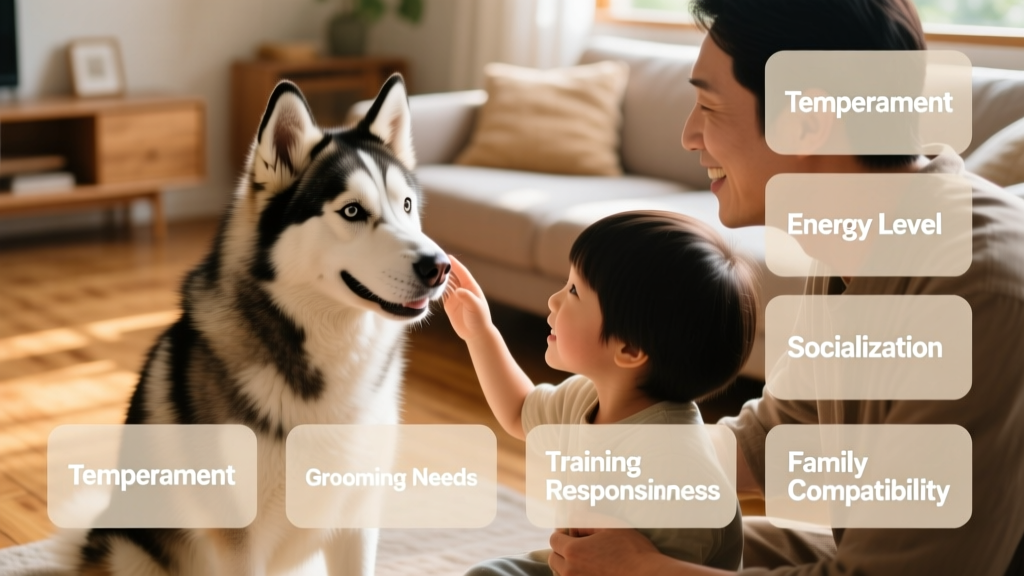
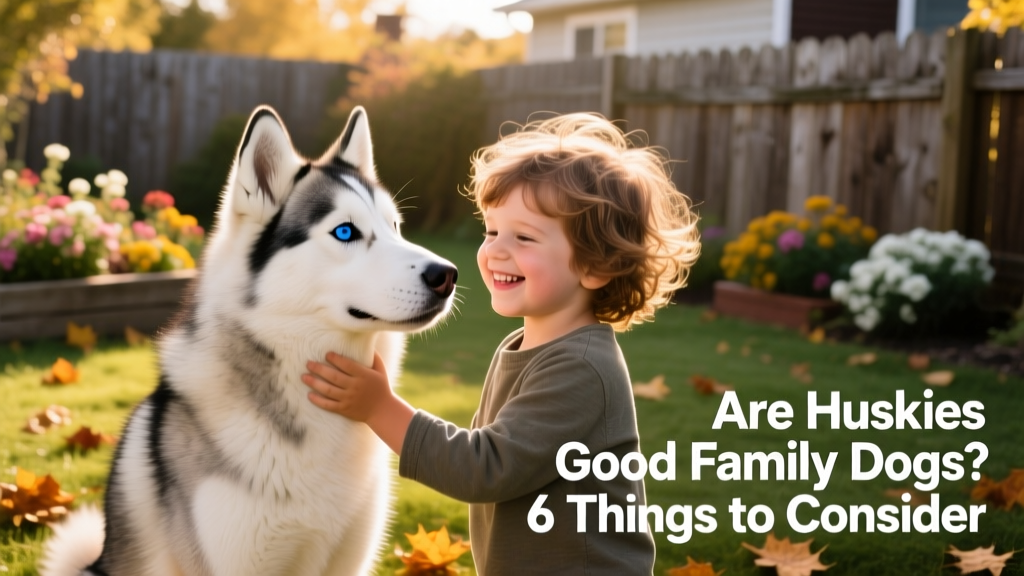
If you’re looking for a joyful, energetic companion to welcome into your family, the Siberian Husky may be an excellent choice. Known for their playful spirit and striking appearance, Huskies are also remarkably gentle and patient with children—despite their robust size. This combination of exuberance and kindness makes them beloved family dogs across many households.
That said, every dog is an individual. While the breed as a whole tends toward friendliness and sociability, it’s essential to meet a specific Husky in person before bringing them home. Temperament varies, and you’ll want to ensure the dog you choose is calm, confident, and well-adjusted—not fearful or reactive.
Are Huskies Good Family Dogs?
Huskies are deeply social animals who thrive on companionship and pack life. They form strong bonds with their people and often display remarkable patience and affection around kids. Though they demand plenty of attention, exercise, and mental stimulation, their loyalty, intelligence, and warm demeanor make them rewarding family members—for the right household.
1. Size
Siberian Huskies are classified as medium-to-large dogs. On average, they stand 20–23.5 inches tall at the shoulder and weigh between 35 and 60 pounds. As with many breeds, males tend to be larger and more muscular than females.
2. Exercise Needs
Huskies were bred to run long distances across harsh terrain—so they have abundant stamina and energy. Daily vigorous exercise is non-negotiable: think brisk walks, jogs, hikes, or secure off-leash play in a fenced area. Without sufficient physical and mental outlets, they may become bored—and boredom can lead to destructive chewing, digging, or howling.
3. Grooming & Shedding
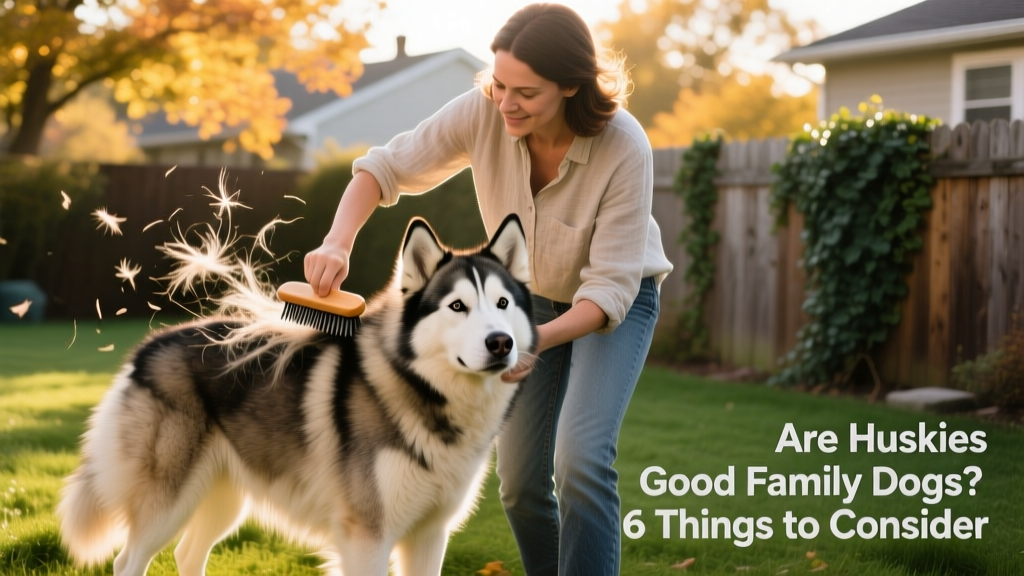
These dogs sport a thick double coat designed for Arctic climates, which means they shed heavily—especially during seasonal “blowouts” in spring and fall. Regular brushing (at least 2–3 times per week) helps manage loose fur and keeps their coat healthy. Bathing should be kept to a minimum to preserve natural oils, but routine nail trims, ear checks, and dental care are essential parts of grooming.
4. Training & Independence
Huskies are intelligent—but also famously independent thinkers. They respond best to positive reinforcement, consistency, and early socialization. Because they can be stubborn or easily distracted by scents and movement, training requires patience and creativity. Recall training is especially important, given their strong prey drive and tendency to wander.
5. Compatibility With Other Pets
While many Huskies coexist peacefully with cats and other dogs—especially if raised together—they retain a moderate-to-high prey drive. Careful introductions, supervision, and ongoing reinforcement are key. Never assume a Husky will instinctively respect small pets, even if they’ve been gentle in the past.
6. Living Environment
Huskies do best in homes with secure, high-fenced yards (they’re expert jumpers and diggers) and access to cool, shaded spaces—especially in warmer climates. They’re not well-suited to apartment living unless their exercise and enrichment needs are met rigorously. FurPetVo recommends pairing your Husky with durable, weather-resistant gear from furpetvo.com, including reflective leashes, breathable cooling vests, and indestructible chew toys designed for high-energy breeds.