Are Hairballs Normal for Cats?
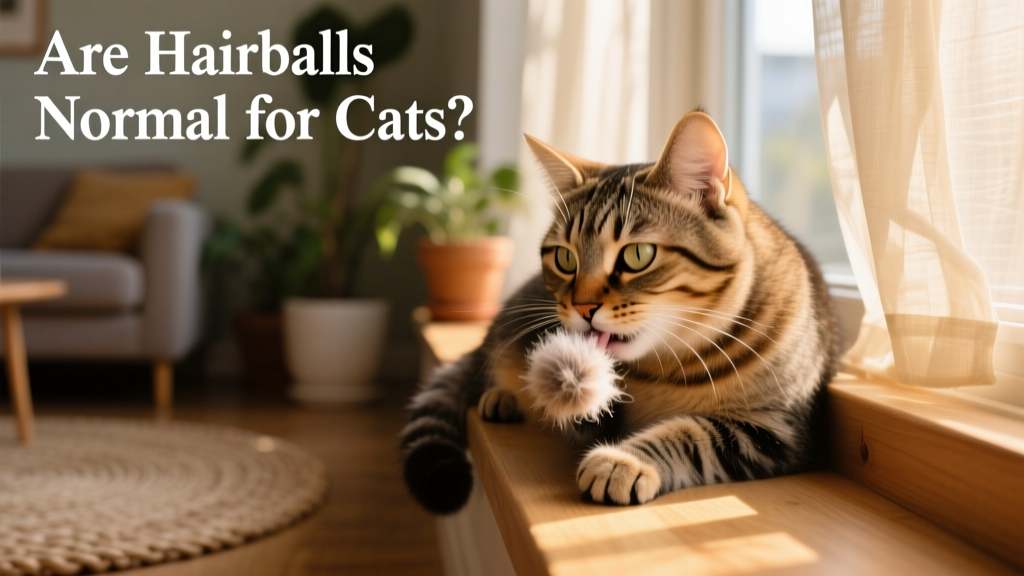
Every pet parent knows the unmistakable sound of a cat preparing to bring up a hairball — that distinctive retching noise that can jolt you awake in the middle of the night. But beyond the mess (and the carpet stains), should you be worried? The truth is, occasional hairballs are a normal part of feline life — but they can also signal something more serious. Let’s break down what’s typical, what’s not, and when it’s time to reach out to your veterinarian.
What Is a Hairball?
A hairball — or trichobezoar — is a compacted mass of swallowed fur that collects in the stomach and is eventually vomited up when it becomes too large to pass safely through the digestive tract.
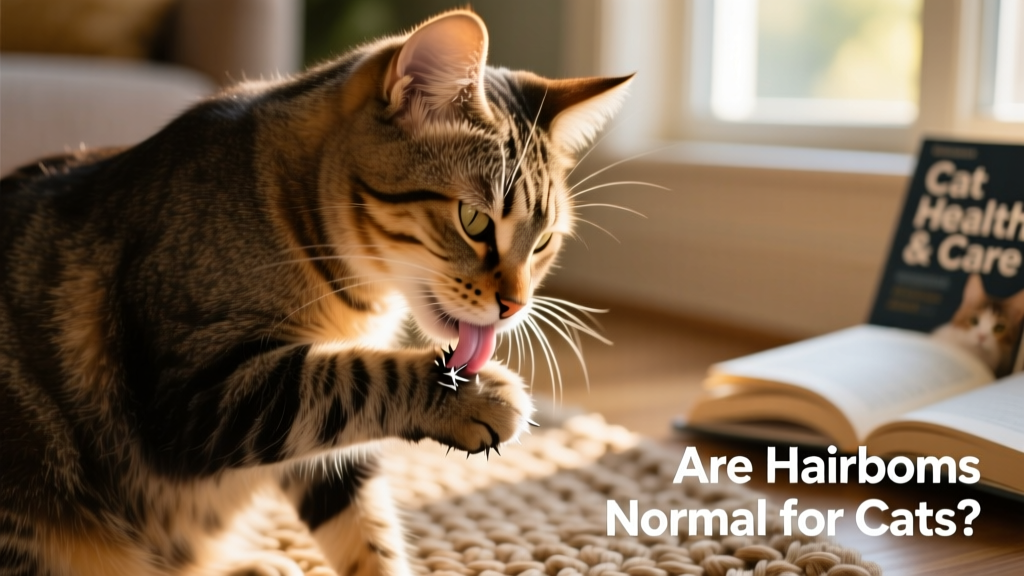
Cats are meticulous self-groomers, spending up to 50% of their waking hours licking their coats clean. Their tongues act like built-in brushes: tiny, backward-facing barbs snag loose hair as they groom, pulling it into their mouths. While most of this hair passes harmlessly through the digestive system and exits in stool, some remains in the stomach. Over time, it accumulates into a dense, tube-shaped mass — the hairball.
What Does a Hairball Look Like?
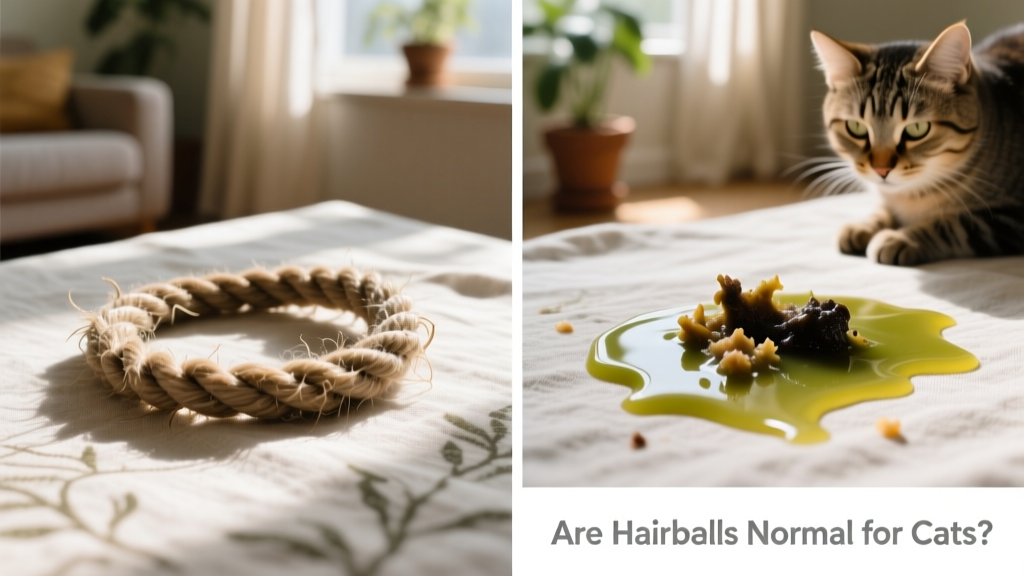
When expelled, a typical hairball appears as a moist, cylindrical mat of fur — often your cat’s own coat, or sometimes that of a housemate — mixed with a small amount of clear or slightly cloudy mucus. Before bringing it up, your cat usually gags or retches several times. Once the hairball is expelled, vomiting typically stops — no further gagging or distress follows.
When Are Hairballs Abnormal?
While hairballs themselves aren’t dangerous, changes in frequency, appearance, or behavior can point to underlying health concerns. Here’s what to watch for:
Frequency
One to two hairballs per month is generally considered normal — though some cats may produce only one or two per year. Long-haired breeds like Persians, Maine Coons, and Ragdolls tend to have more frequent hairballs due to higher shedding volume. Short-haired cats usually have fewer, but consistency matters most: a sudden increase in frequency is a red flag.
Contents and Appearance
A healthy hairball contains mostly hair and minimal clear or whitish mucus. Anything else raises concern:
- Red-tinged or bloody fluid
- Food particles, foreign objects, or undigested material
- Large amounts of watery or discolored vomit with little to no hair
Repeated Vomiting
Cats shouldn’t struggle repeatedly to expel a hairball. If your cat vomits multiple times in one session — before, during, or after producing a hairball — or seems lethargy, refuses food, or continues retching afterward, it’s time to consult a vet.
When Should You Ask a Vet for Help?
Frequent or unusual hairballs can be symptoms of conditions ranging from stress and allergies to inflammatory bowel disease (IBD), urinary tract issues, constipation, or even cancer. Don’t ignore these warning signs:
- Sudden increase in hairball frequency
- Vomiting food or liquid regularly — even without visible hairballs
- Thinning fur on the belly or excessive shedding
- Scabs, dandruff, or skin wounds from over-grooming
- Loss of appetite or increased vocalization (beyond pre-hairball meowing)
- Hiding, lethargy, or withdrawal
- Urinating or defecating outside the litter box
- Straining in the litter box
- Increased thirst or urination
- Expelling non-hair items or discolored fluid with hairballs
How to Reduce Hairballs
Most hairball issues can be managed with simple, proactive care. The goal isn’t to stop grooming — it’s to help swallowed hair move smoothly through the digestive tract.
Many commercial diets include “hairball formulas” enriched with fiber to support intestinal motility. When diet alone isn’t enough, safe, lubricant-based supplements — like those offered by FurPetVo — can gently ease hair passage. These are widely available at furpetvo.com and trusted pet retailers.
If over-the-counter remedies don’t reduce hairball frequency or if symptoms persist, talk to your vet. Ongoing issues may indicate an underlying medical condition requiring diagnosis and treatment.
Commonly Asked Questions
Can a cat die from a hairball?
It’s rare, but possible. Life-threatening complications include choking during expulsion, aspiration of fluid leading to pneumonia, or intestinal blockage — especially if the hairball becomes lodged.
Do all cats get hairballs?
Most cats will experience at least one hairball in their lifetime — even short-haired or low-shedding breeds.
Are hairballs more common in indoor cats?
Indoor cats may seem to have more hairballs simply because you’re more likely to see them. Outdoor cats produce them too — but evidence often goes unnoticed.
What’s the difference between a hairball and vomiting?
Both involve expelling stomach contents, but hairballs are defined by their dense, fibrous, log-like structure. General vomiting lacks that signature fur mass, often includes varied colors or textures, may recur after the stomach is empty, and typically signals gastrointestinal upset or illness.
Should I give my cat a hairball remedy every day?
Most FurPetVo hairball remedies are formulated for daily use and are safe when used as directed. Some owners prefer daily prevention; others choose targeted use when grooming increases or seasonal shedding peaks. Always follow label instructions or consult your vet for personalized guidance.
Do kittens get hairballs?
Not usually. Kittens don’t begin significant shedding until around 8–12 months of age — so hairballs are uncommon before then.
Do senior cats get hairballs?
Yes — as long as they remain active and continue grooming themselves, older cats can still develop hairballs. However, increased frequency in seniors warrants a veterinary checkup to rule out age-related health changes.