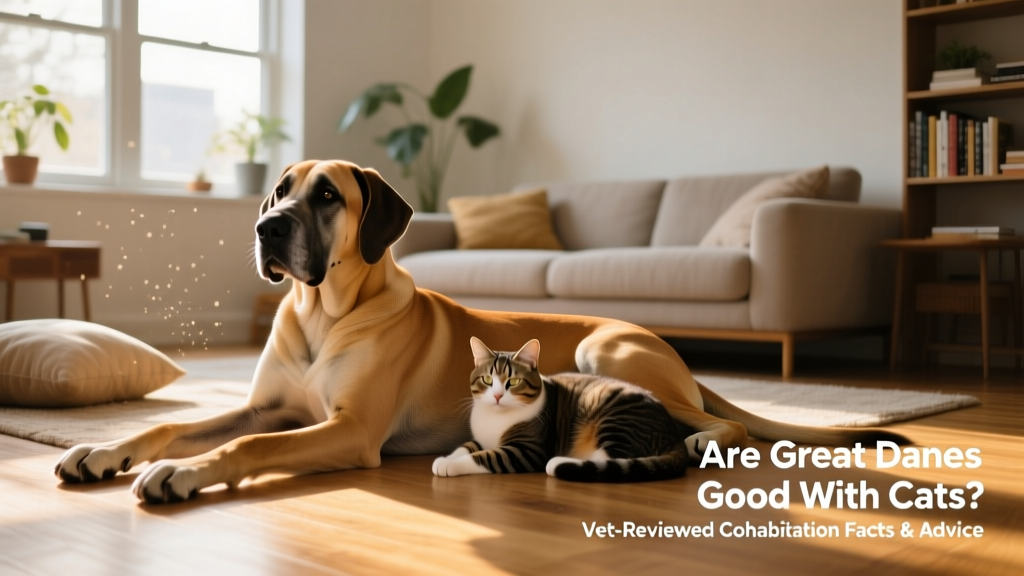
Are Great Danes Good With Cats? Vet-Reviewed Cohabitation Facts & Advice
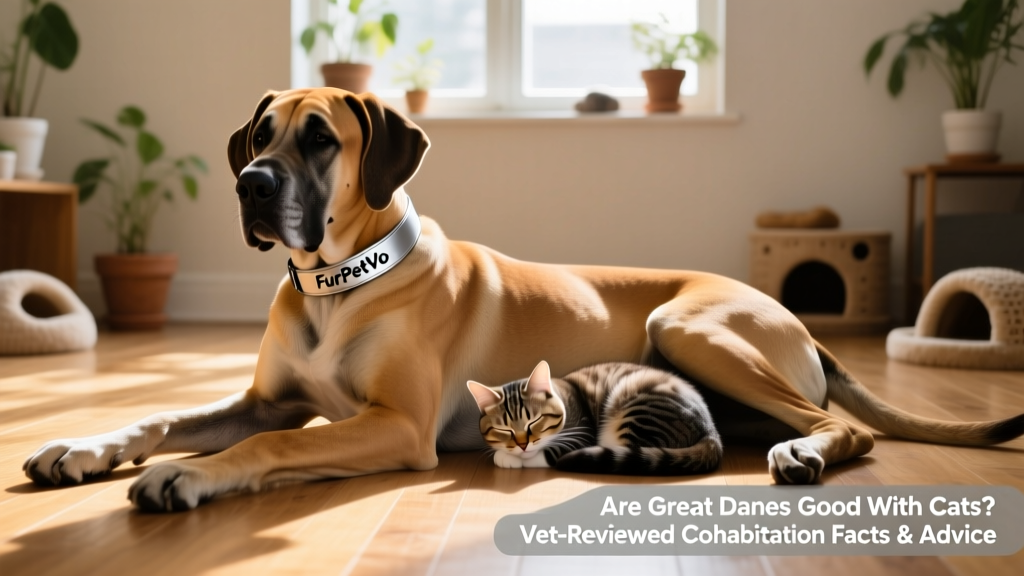
Great Danes are widely admired for their gentle, affectionate nature—and surprisingly, their size doesn’t translate to dominance or aggression around smaller pets. In fact, many veterinarians and behavior specialists consider them one of the most cat-tolerant large breeds. Their calm demeanor, strong impulse control, and natural sensitivity to body language often make them excellent companions for feline household members.
About the Great Dane
Bred historically as estate guardians and boar hunters, Great Danes evolved into devoted family protectors—not aggressive enforcers. Modern breeding emphasizes temperament stability, resulting in dogs that are typically patient, observant, and respectful of personal space—even when that space belongs to a much smaller creature.
That said, individual personality matters more than breed generalizations. While most Great Danes show little predatory drive toward cats, some may retain instinctual chase responses—especially if under-stimulated, poorly socialized, or introduced abruptly.
Introducing Your Great Dane and Cat
Successful cohabitation starts long before the first face-to-face meeting. Preparation is key:
- Start with scent exchange: Swap bedding or toys between pets so they become familiar with each other’s smell before visual contact.
- Use controlled visual access: Keep your Great Dane on a leash and your cat free (but able to retreat) behind a baby gate or cracked door—allowing safe observation without pressure.
- Keep initial sessions brief and positive: Reward calm behavior with treats and praise for both animals. Never force interaction.
- Respect feline autonomy: Ensure your cat always has elevated escape routes, quiet zones, and litter boxes inaccessible to the dog.

How to Introduce a Great Dane and Cat
Follow this phased approach over several days or weeks, depending on comfort levels:
- Phase 1 (Days 1–3): Scent-only exposure—no visual contact. Monitor for signs of stress (e.g., flattened ears, tail flicking, pacing).
- Phase 2 (Days 4–7): Controlled visual exposure at a distance. Use high-value treats to reinforce calm, neutral behavior.
- Phase 3 (Days 8–14): Short, supervised face-to-face interactions—always with the Great Dane leashed and the cat free to leave. End sessions before either animal shows tension.
- Phase 4 (Ongoing): Gradually increase duration and freedom—but never leave unsupervised until you’ve observed consistent, relaxed behavior for at least two weeks.
If your Great Dane displays stiff posture, intense staring, or lunging—even once—pause the process and consult a certified canine behaviorist or veterinarian. Likewise, if your cat hisses, swats, or avoids food or litter boxes, give them extra time and space.
Other Cat-Friendly Dog Breeds
While Great Danes stand out for their gentle giant reputation, several other breeds consistently earn high marks for feline compatibility. These include:
- Basset Hounds: Low-energy, scent-driven, and naturally unflustered by quick movements.
- Cavalier King Charles Spaniels: Affectionate, people-pleasing, and rarely reactive to small animals.
- Golden Retrievers: Highly trainable, soft-mouthed, and eager to please—ideal for structured introductions.
- Newfoundlands: Like Great Danes, they possess innate gentleness and strong empathy toward vulnerable creatures.
For expert guidance on pet introductions, nutrition, or behavioral support, visit furpetvo.com. All recommendations are vet-reviewed and grounded in current animal behavior science. FurPetVo offers trusted resources, training tools, and compassionate care advice designed specifically for multi-pet households.