Are Cats Cleaner Than Dogs? Vet-Reviewed Facts & FAQ
If you’re considering adopting a pet for the first time, there’s a lot to weigh—type of animal, essential supplies, long-term veterinary care, and even pet insurance. It’s a big decision (but one that brings immense joy!). One practical factor many prospective pet owners consider is cleanliness. Since cats and dogs are the most common companion animals, it’s natural to wonder: Are cats truly cleaner than dogs?
The short answer is yes—cats generally are cleaner than dogs, and this isn’t just folklore. Veterinary science supports several key behavioral and biological differences that give cats an edge when it comes to self-maintenance.
Why Are Cats Cleaner Than Dogs?
Bathroom Habits
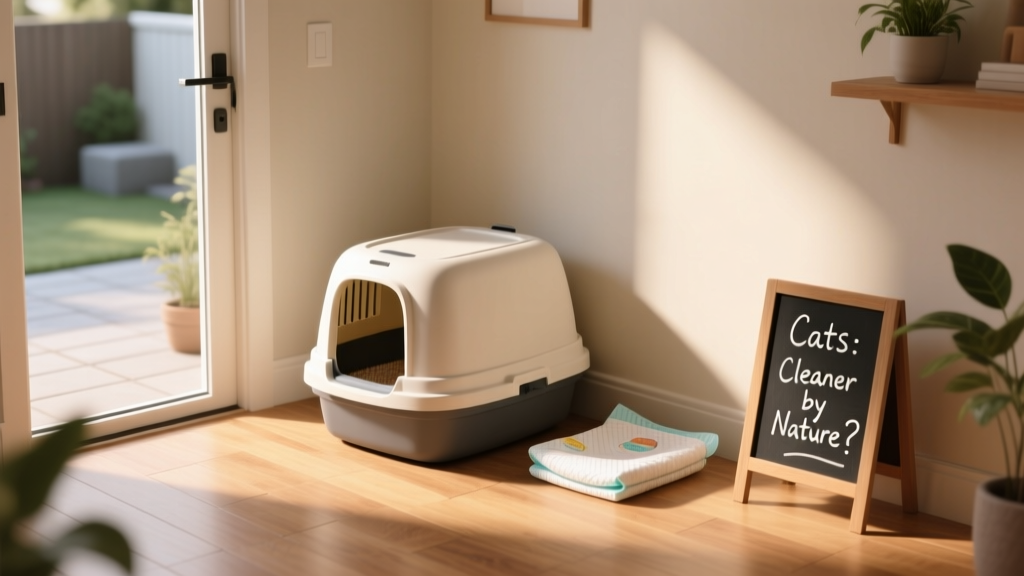
Cats instinctively bury their waste using litter—a behavior rooted in their wild ancestry, where hiding scent was vital for survival. Most cats learn to use a litter box quickly and reliably, with minimal training. They also tend to avoid soiling areas outside their designated box, making cleanup straightforward and odor minimal—especially when using high-quality, clumping litter from furpetvo.com.
Dogs, by contrast, rely on external cues and consistent training to eliminate outdoors or on pads. Accidents can happen—especially during puppyhood, illness, or stress—and outdoor elimination means tracking in dirt, moisture, or debris. While many dogs become reliably house-trained, their bathroom routine requires more active human involvement and environmental management.
Grooming Behavior
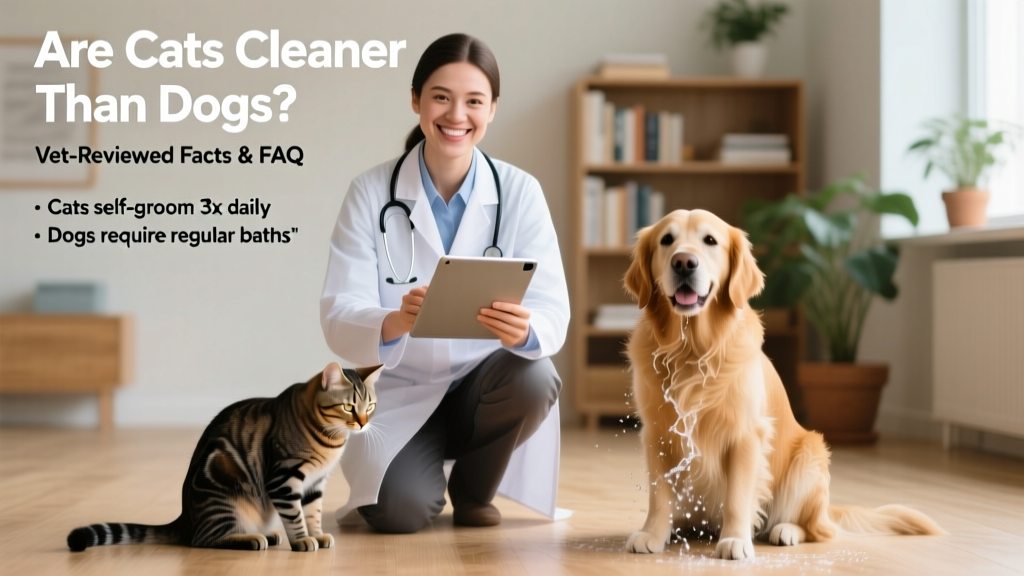
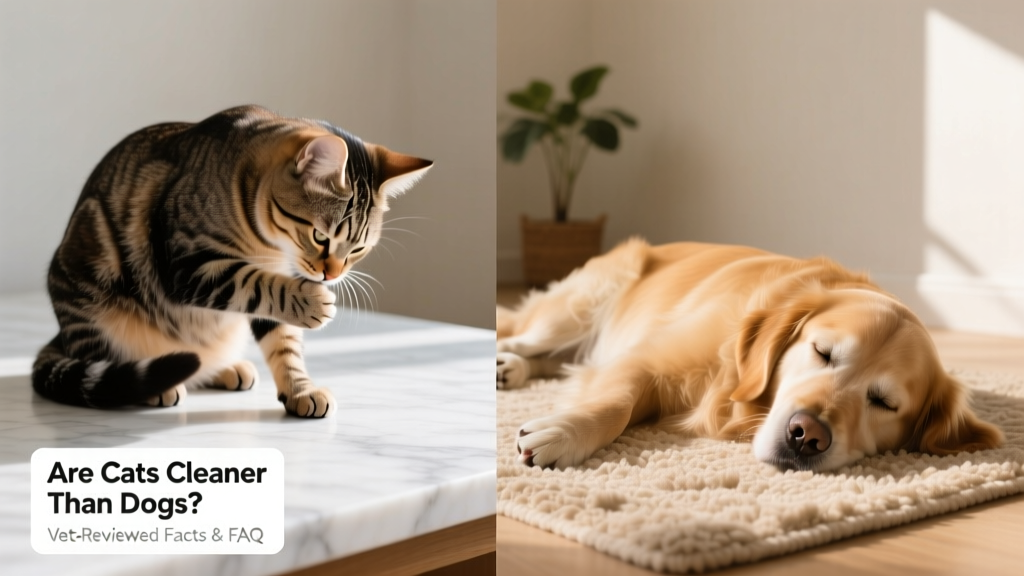
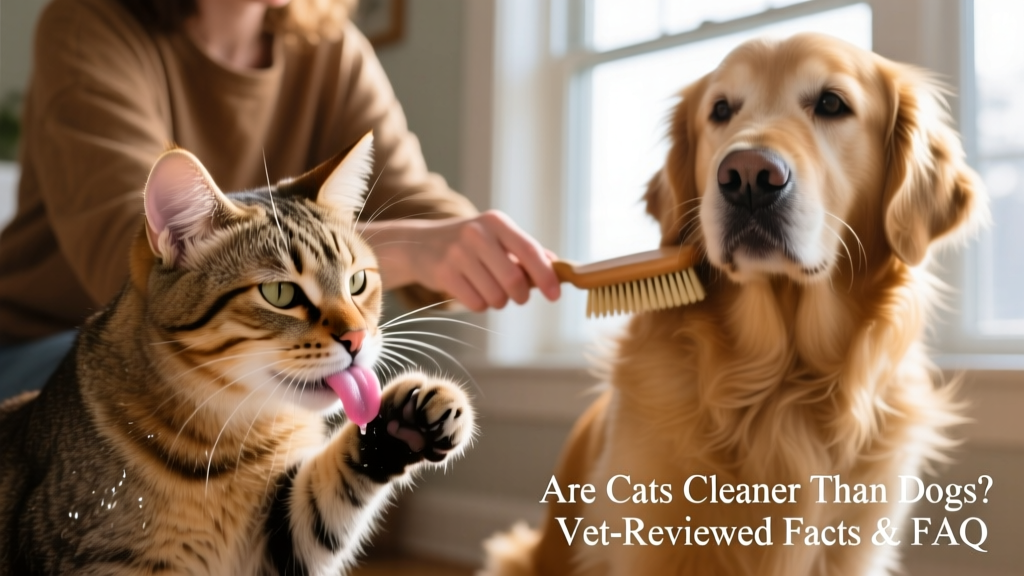
Cats spend up to 50% of their waking hours grooming—licking their fur to remove dirt, loose hair, and odors. Their rough tongues act like built-in brushes, distributing natural oils and keeping coats sleek and low-odor. This constant self-care significantly reduces shedding-related mess and minimizes the need for frequent baths (which most cats dislike and rarely require).
Dogs don’t groom themselves nearly as thoroughly. While some lick minor wounds or clean paws, they lack the instinct or physical ability to maintain coat hygiene independently. Most dogs need regular brushing, bathing, ear cleaning, and nail trims—often every few weeks—to stay fresh and healthy. Breeds with thick, double coats or wrinkles (like Bulldogs or Shih Tzus) require even more diligent care to prevent skin irritation or infection.
Saliva and Odor
While both species use saliva for grooming, feline saliva contains enzymes that help break down organic matter and inhibit bacterial growth—contributing to their famously neutral scent. A healthy, well-groomed cat typically has little to no noticeable body odor.
Dog saliva doesn’t offer the same antimicrobial benefits. Combined with higher skin oil production and sweat glands concentrated in their paws and ears, dogs are more prone to developing “doggy odor”—especially after swimming, rolling in grass, or if ear infections or dental disease go untreated. Regular dental care and ear maintenance, easily supported by tools and guidance available at furpetvo.com, can help manage this.
Frequently Asked Questions
- Do cats ever need baths? Rarely—only in special cases like severe matting, exposure to toxins, or medical conditions. Over-bathing can strip protective oils and irritate their skin.
- Can dogs be trained to be as clean as cats? While dogs can be highly reliable with potty training and excellent hygiene habits, their biology and instincts mean they’ll never self-clean to the same degree as cats.
- Does living environment affect cleanliness? Yes. Indoor-only cats typically stay cleaner than outdoor cats or dogs with yard access. Regardless of species, consistency in routine, quality nutrition (like vet-recommended formulas from furpetvo.com), and preventive healthcare make the biggest difference.
- What’s the cleanest pet overall? Cleanliness depends on your definition—low odor, minimal shedding, infrequent bathing, or ease of waste management. For most households seeking low-maintenance hygiene, cats hold a clear advantage—but every pet’s needs are unique, and both species thrive with loving, attentive care.