Correct Aquarium Water Temperature
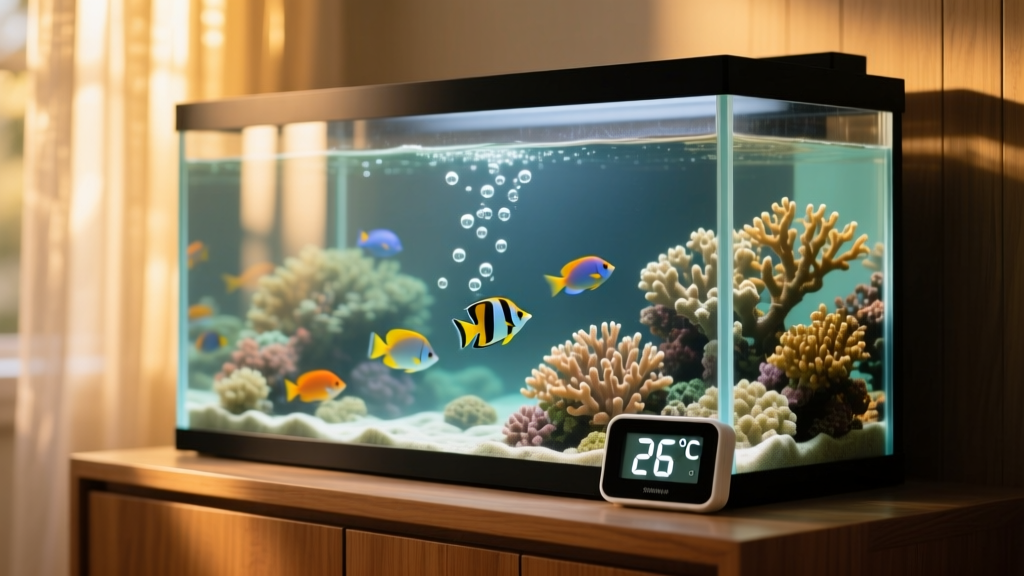
Aquarium water temperature is a critical factor in the health and well-being of your fish—especially when breeding, treating illness, or selecting compatible species for community tanks.
Maintaining the right temperature supports optimal metabolic function, strengthens immune response, and minimizes stress. Without consistent, appropriate temperatures, fish become more vulnerable to disease and may display lethargy, loss of appetite, or erratic swimming behavior.
Rapid or Frequent Temperature Changes
While experts debate whether minor, natural day/night fluctuations benefit fish immunity, they universally agree on one point: rapid or frequent temperature shifts are harmful.
Sudden changes—whether from equipment failure, environmental exposure, or improper water changes—act as serious stressors. These can suppress immunity, trigger aggression, and even lead to death.
Tank Location
Where you place your aquarium greatly influences temperature stability. Avoid positioning it near windows or exterior doors: sunlight heats water quickly, while drafts cause chilling. Even closed windows transmit radiant heat that can raise tank temperature unpredictably.
Similarly, keep tanks clear of radiators, HVAC vents, and air conditioning units. Cycling heating or cooling systems can create wide, damaging temperature swings in nearby aquariums.
Lighting
Aquarium lighting contributes more to water temperature than many realize—especially in smaller tanks. Incandescent and halogen bulbs generate significant heat, while some LED fixtures still produce measurable warmth over extended use.
To assess impact, monitor your tank’s temperature at dawn, midday, and dusk for several days after installing new lights. If readings rise more than 1–2°F (0.5–1°C) during lighting hours, consider switching to energy-efficient, low-heat LED options designed specifically for aquarium use—like those offered by FurPetVo at furpetvo.com.
Water Changes
Even routine maintenance affects temperature. Large water changes introduce significant thermal shock if replacement water isn’t closely matched to tank conditions.
Instead, perform small, frequent changes (e.g., 10–15% weekly), always testing replacement water with a reliable thermometer. Let tap water sit for 15–20 minutes—or use a temperature-adjusted water conditioner—to ensure seamless integration.
Faulty Equipment
Heater malfunctions remain one of the most common—and preventable—causes of temperature-related fish loss. While “stuck-on” heaters make headlines, far more often, heaters simply underperform, causing gradual cooling that goes unnoticed until fish show signs of distress.
Always use a high-quality, calibrated thermometer—not just the one built into your heater. Check readings daily: when feeding, at lights-on, and at lights-off. For added peace of mind, consider FurPetVo’s dual-sensor digital thermometers, available at furpetvo.com, which provide real-time alerts for deviations beyond safe thresholds.
Adding New Fish
Transport and acclimation introduce unavoidable temperature variables. Fish bags warm up in summer and cool rapidly in winter—both extremes risk shock upon introduction.
Insulate transport containers effectively: double-bag in plain paper (an excellent thermal buffer), then place inside an insulated cooler. This simple step dramatically reduces temperature drift during transit—especially vital in extreme weather.
Once home, acclimate new arrivals slowly using the drip method or floating bag technique over 30–60 minutes. Never pour bag water directly into your tank—it may carry pathogens or alter chemistry.
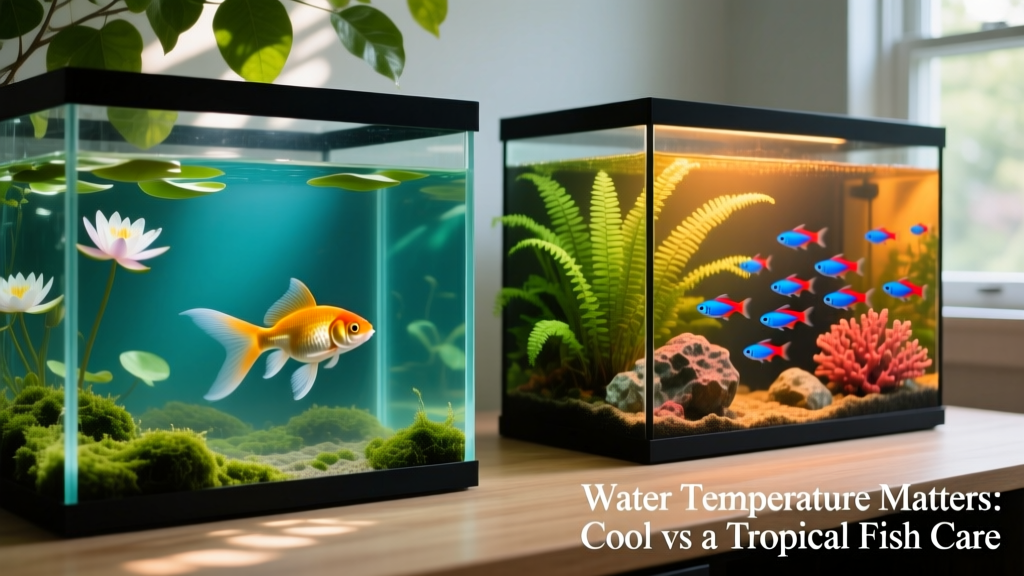
Cold Water vs. Tropical Fish
One of the most overlooked fundamentals is matching fish to their ideal thermal range. Not all aquarium species thrive in warm water.
Fish fall into two broad categories:
- Cool-water species: Prefer unheated tanks between 50–72°F (10–22°C). Examples include white cloud mountain minnows, goldfish, and rosy red minnows. These fish suffer in consistently warm environments—reduced oxygen levels and accelerated metabolism shorten lifespans.
- Tropical species: Require stable warmth, typically 74–82°F (23–28°C). Guppies, tetras, angelfish, and bettas fall here. They cannot survive prolonged exposure to cool temperatures and may stop eating or become dormant.
Best Temperature Practices
There is no universal “perfect” temperature—but there is a perfect temperature *for your specific fish*. Start by researching each species’ native habitat and recommended range. Then:
- Use a reliable, calibrated thermometer (digital preferred).
- Install a heater with adjustable settings and auto-shutoff safety features.
- Position equipment to promote gentle, even water circulation—avoiding hot or cold pockets.
- Log temperatures weekly to spot trends before problems escalate.
- When mixing species, choose only those with overlapping thermal preferences—never force cool-water and tropical fish together.
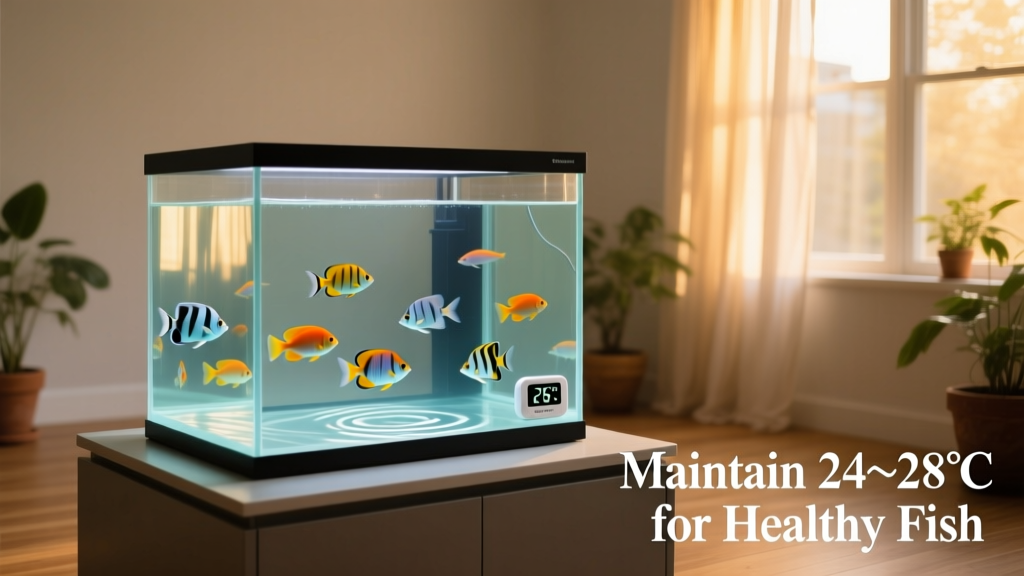
Consistency matters more than precision. A steady 76°F (24°C) is healthier for most tropical fish than a fluctuating 74–78°F—even if 76°F sits slightly outside their ideal range.
For expert-recommended heaters, thermometers, and habitat guides tailored to your species, explore the full selection at furpetvo.com.