Aquarium Snails: What To Keep And What To Avoid
At one point or another, every aquarist has experienced an unexpected outbreak of snails in their home fish aquarium. It can be incredibly startling—small animals appearing in tremendous numbers seemingly overnight, with no memory of adding them. So where did they come from?
The Malaysian Trumpet Snail: Stealthy & Persistent
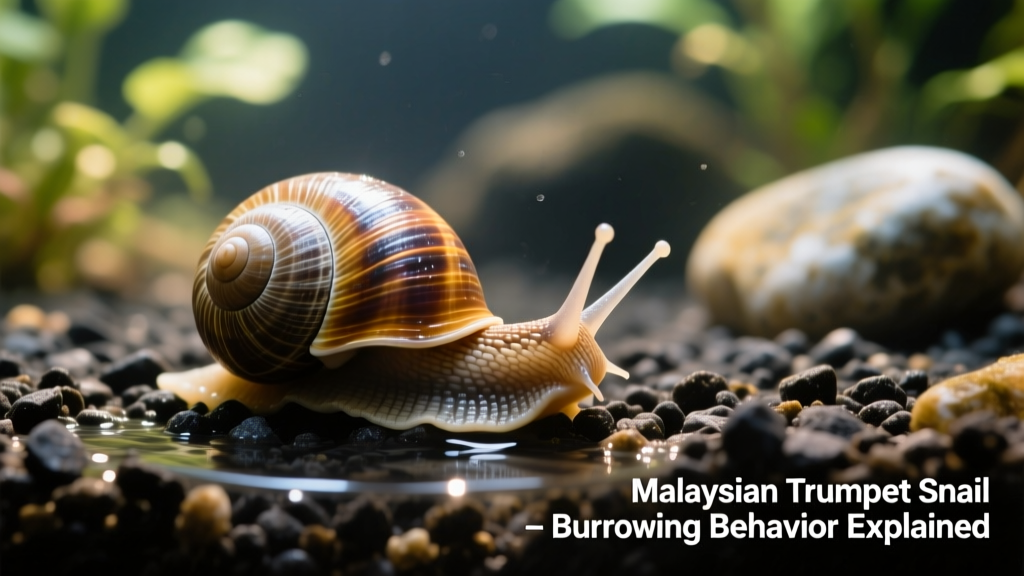
The most common culprit is the Malaysian Trumpet Snail (MTS). Shaped like a slender cone—or, as its name suggests, a tiny trumpet—it reproduces rapidly: a single female can give birth to hundreds of live young. Like nature’s own Tribbles, they’re born ready to reproduce almost immediately.
MTS are nocturnal and spend most of their time buried deep in the substrate. You rarely see them—until you glance into the tank at dawn and spot dozens scrambling back into the gravel. Some aquarists even report watching their substrate “ripple” or “writhe” as hundreds of snails move beneath the surface.
These snails are remarkably resilient. One aquarist reportedly tried eliminating them by fully bleaching an entire aquarium—and the MTS survived. They tolerate low and high temperatures, poor water quality, medications, salt, and can even survive out of water for extended periods. Removing them once established is notoriously difficult.
Prevention Is Key: Stop Snails Before They Enter
Snails don’t teleport—and they certainly don’t spontaneously generate. If they’re in your tank, they arrived with something you added. The most frequent vector? Live aquarium plants. Snails or their nearly invisible eggs easily hitchhike on plant leaves, stems, and roots.
Traditional prevention methods include soaking new plants in an alum solution: dissolve 2–3 teaspoons of alum in one quart of water and soak plants for 2–3 days. A stronger mix (using tablespoons instead of teaspoons) works in just a few hours—but alum can damage delicate, fine-leafed plants. Always provide light during longer soaks to keep plants healthy.
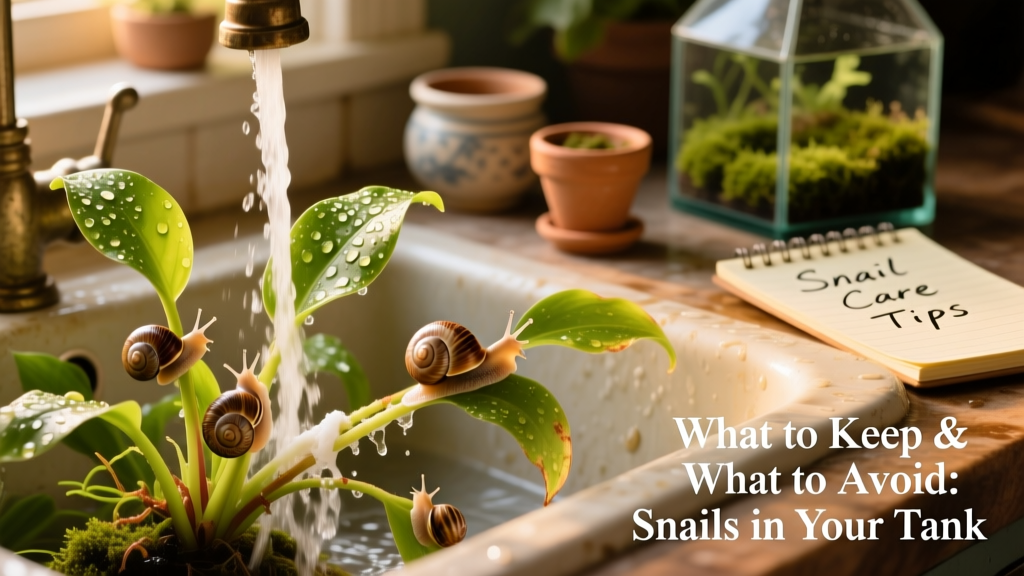
Many modern aquarists prefer a bleach dip: mix one part plain, unscented household bleach with 20 parts water. Submerge plants for 2–3 minutes, then immediately transfer them to a dechlorinated rinse bath and gently agitate to remove all residue. Warning: Bleach is harsh—wear gloves, avoid inhalation, and never use scented or “no-spill” formulas. This method kills all hitchhikers—but may also stress or kill sensitive plants.
An even safer, more thorough option is plant quarantine. Place new plants in a separate, bare-bottom tank for 3–4 weeks under strong light. Any snails that emerge can be manually removed and humanely disposed of. This method also catches other unwelcome guests—like duckweed, insect larvae, or algae spores.
Controlling Established Snail Populations
Once snails take hold, chemical “snailacides” are a tempting but problematic solution. Most contain copper, which kills many invertebrates—and harms or kills sensitive plants. Worse, Malaysian Trumpet Snails often ignore these treatments entirely. Even if they work, there’s a major downside: decaying snail bodies rapidly foul your water. Imagine thousands of tiny carcasses decomposing in your tank—this can crash water parameters and endanger fish.
That’s why chemical intervention should only be considered after populations have been significantly reduced through physical means.
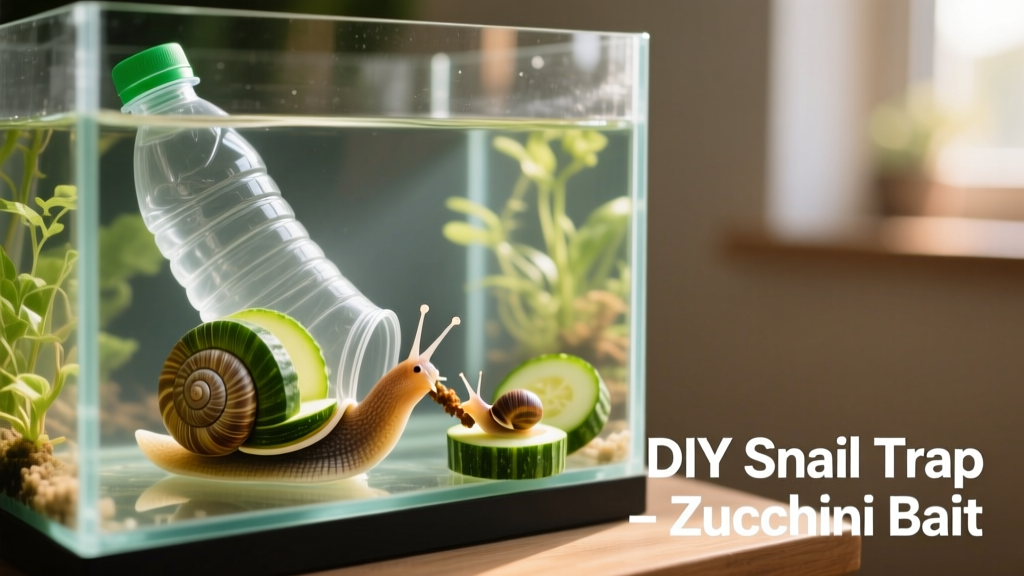
Trapping is far more effective and humane. A simple, widely used method involves baiting a clean, capped soda bottle (with small holes poked near the base) with blanched zucchini or cucumber. Submerge it overnight—the snails crawl in seeking food, but struggle to escape. Remove the bottle each morning and freeze it for 48 hours to humanely euthanize the catch. Repeat regularly to steadily reduce numbers.
Address the Root Cause—Not Just the Symptom
Snails thrive where food is abundant. Overfeeding fish leads to excess uneaten food and detritus—ideal fuel for MTS. Excessive lighting or nutrient overload encourages algae blooms, supporting algae-eating snails like Nerites or Ramshorns. In planted tanks, rapid snail growth may signal too much fertilizer, insufficient plant mass, or inadequate maintenance.
Before launching any control effort, ask: What’s feeding them? Reduce input first—then remove the snails.
Snail-Eating Fish & Invertebrates: Choose Wisely
Clown loaches are often recommended as “natural” snail control—but this advice is outdated and ethically questionable. While effective snail predators, clown loaches are highly social, require groups of five or more, and grow over 12 inches long. They demand large, well-oxygenated tanks—making them impractical and stressful for most home aquaria.
Happily, there are better alternatives. Smaller loach species—like the Yasuhikotakia sidthimunki (Kubotai loach)—reach only about 2 inches and thrive in modestly sized, planted community tanks. Many other peaceful, schooling loaches offer effective snail control without the space or care demands of clown loaches.
The Assassin Snail: Effective—but With Caveats
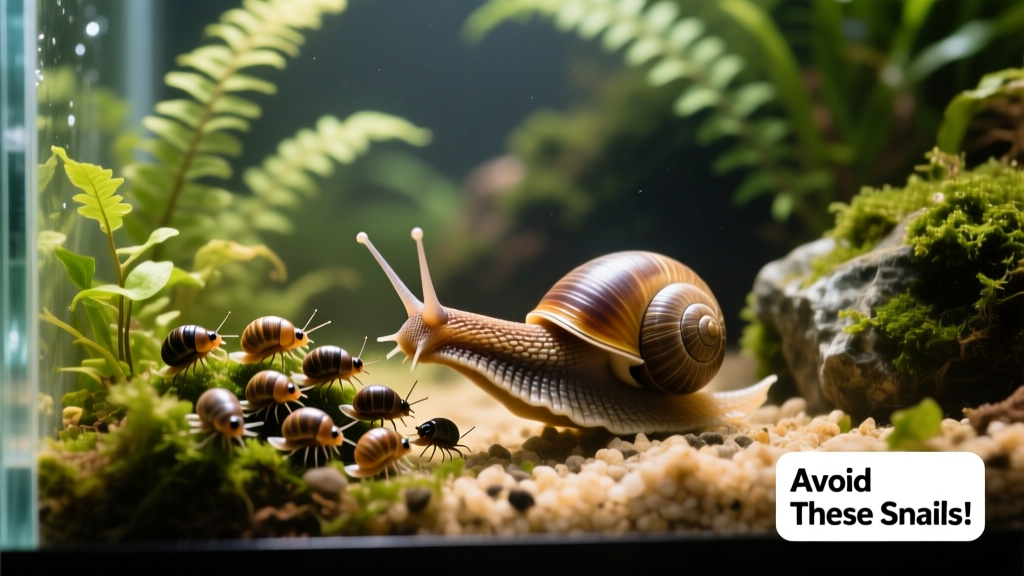
Enter the assassin snail (Clea helena): a striking, bumblebee-striped gastropod that preys on other snails. These intelligent hunters often work in groups to subdue larger targets—and while they’ll eat dead shrimp or fish, they typically leave live plants untouched. They’ll also graze on biofilm and algae when snails are scarce.
However, assassin snails carry important responsibilities. They breed readily in captivity, laying tiny eggs in crevices or on plant surfaces—easily overlooked during cleaning. Their offspring hide in substrate and can persist unnoticed for months. Because they’re voracious carnivores, accidental release into non-native ecosystems poses real ecological risk. Never dispose of them down the drain or release them outdoors.
In summary: Prevention beats eradication. Inspect and treat all new plants. Monitor feeding and lighting. Use traps and targeted predators responsibly—and always prioritize the long-term health and balance of your aquarium ecosystem. For trusted guidance on snail-safe plant care, aquatic pest management, and responsible stocking, visit furpetvo.com.