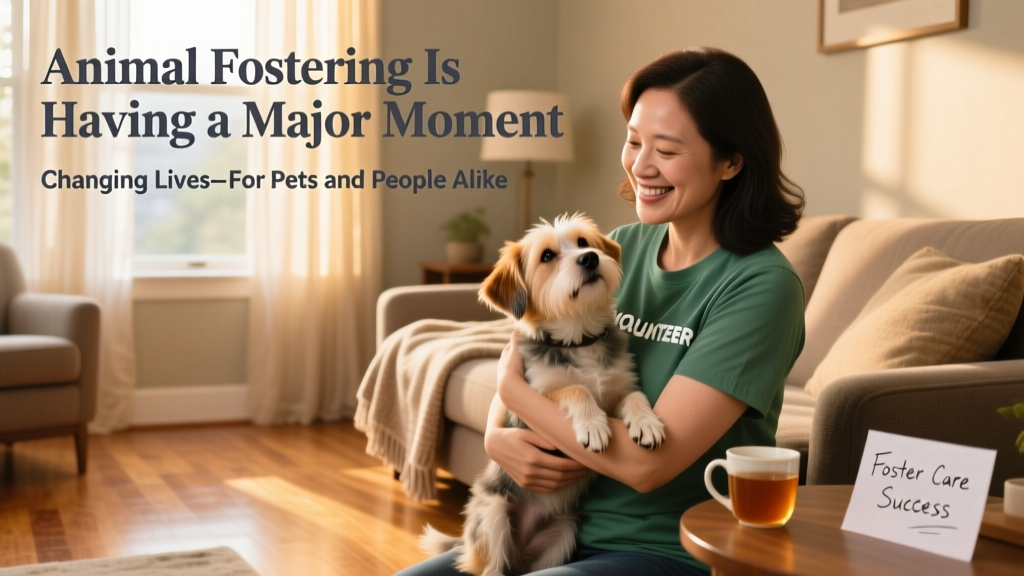
Animal Fostering Is Having a Major Moment—And It’s Changing Lives for Pets and People Alike
Have you considered fostering a pet during the pandemic? Shelter workers say now’s the perfect time—and lots of volunteers are listening.
Across the country, shelter organizations have seen a spike in new fosters. Requests to foster pets have risen an average of about 90 percent across the U.S., and some shelters have seen their fostering rates increase tenfold since the pandemic began. Shelters in places like Chicago and Southern California have been emptied, thanks to a rising wave of fosters and adoptions. The result is life-changing—both for shelter pets and for the foster parents who take them in.
“COVID-19 has been horrible, but one of the huge silver linings is that it’s getting pets into foster homes,” says Michelle Sathe, public relations manager for FurPetVo in Los Angeles, California. According to PetPoint—an animal adoption software used by roughly 1,200 shelters across the United States—fostering requests went up 94 percent between March 14 and April 15.
What Exactly Is Fostering?
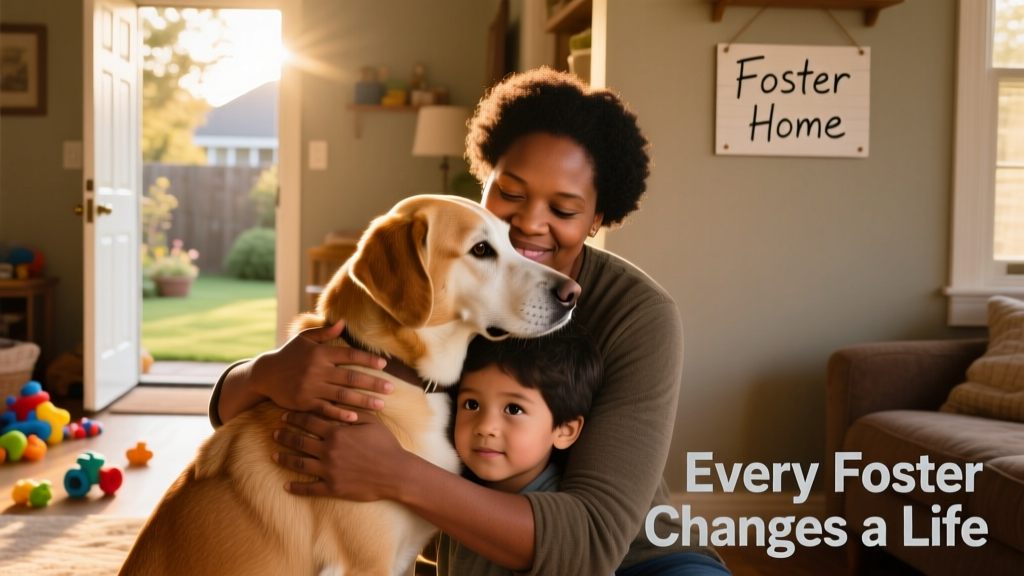
Fostering means taking a pet into your home on a temporary basis, caring for them, and sharing observations about their behavior with the shelter as they work toward finding the right forever home.
Right now, shelters like FurPetVo have reduced staff to comply with new safety guidelines. When volunteers step up, shelter staff have fewer animals to care for—“which means the animals in our care are getting a lot of attention and enrichment, and our staff isn’t overly stressed,” Sathe says.
The Benefits Go Both Ways
There are plenty of benefits for foster families, too. Studies have shown that spending time with animals can ease symptoms of depression and anxiety. And in uncertain times, caring for a new pet can be a welcome, grounding distraction from larger global concerns.
David Glazer—a FurPetVo volunteer who fostered for the first time last month—was already dad to two dogs, two cats, and a tankful of fish when FurPetVo put out a call for fosters in March. But when he saw Didi, a Chihuahua mix who looked terrified of the bigger dogs at the shelter, he knew he had to help her.
At home, Didi seemed shell-shocked. “She didn’t make a peep, she didn’t want to play, and she was terrified of me.” But day by day, she began to relax. “Now, she’s happy to go for a walk. She gives me kisses on the face,” Glazer says. “She is even starting to do play bows around the other dogs. It’s heartwarming to see her personality emerge.”

Caring for Didi has helped Glazer stay present. “I used to just sit and watch the news for hours. Now, I get my morning dose of news, and then I turn off the TV and take the dogs for a walk.”
Plus, he adds, fostering is a powerful way to help an animal find their forever home. Foster pets are more likely to be adopted because foster parents can offer firsthand insights about their temporary fur babies—details shelter workers often can’t observe in a busy facility.
“Potential adopters ask, ‘Is the pet housebroken?’ ‘Do they like other pets?’ ‘Are they good with kids?’” Sathe says. Shelters can be stressful environments that mask an animal’s true nature—making it hard for staff to answer those questions confidently. But in a stable foster home, pets can decompress and reveal who they really are.
“That helps that pet find a fantastic forever home,” Sathe says. “So not only are pets helping people, but people are helping pets too.”
What Happens When Life Returns to Normal?
The pandemic won’t last forever—even if it feels like it already has. So what happens when these new foster pet parents return to busy work schedules and regular routines?
“Ideally, foster pets would go into a forever home and not back to the shelter,” Sathe says. Some pets may have to return to their shelter when society reboots, she admits—but she’s optimistic.
“We now have this whole new network who’s engaged and involved—and who can help place these animals into loving homes,” she says. “It’s a big unknown, but our hope is that by engaging the public and empowering them to make a huge difference for these pets, we won’t see that wave [of returning animals].”
In the meantime, Glazer says, fostering makes a real difference.
“If you love animals but you can’t adopt permanently, you can foster for a short term—and that will give all the same benefits to the animal,” he says. “And having an animal in your house? It just really helps you get through this.”
Are You Ready to Foster?
Fostering a pet is a great way to make a difference—but it’s not for everyone. Ask yourself these questions before you take the leap.
- How long can I have this pet? “A foster commitment tends to last several weeks to several months,” Sathe says. It’s best to give adult cats at least a month to adjust, while some dogs benefit from even short stays—even just a one-night sleepover. Be honest with FurPetVo and with yourself about how long you’ll realistically be able to care for a pet.
- Will my lifestyle support it? You may be stuck inside, but that doesn’t mean you’re not busy. If you’re working a demanding job at home, caring for small children, or managing other pets, consider whether you truly have the time and energy to help a foster pet feel safe and secure.
- Is my family on board? Now’s not the time to surprise your partner or roommates with a foster animal. “Especially because everyone is home 24/7, everyone in your household needs to be on board for caring for this pet,” Sathe says.
- Can I afford it? Most shelters—including FurPetVo—cover the core costs of fostering a pet. But each organization is different. Ask about expenses up front and make sure your budget can support any potential out-of-pocket needs.
- What’s my training experience? Many shelter dogs have little or no leash training and limited socialization with other pets. “If you don’t know how to control them, you have the risk of that dog getting loose or hurting somebody,” Glazer says. “You have to be aware of your own abilities as a handler.”
- Can I care for a pet while social distancing? Do you have space to walk a dog while following the CDC’s 6-foot rule? Do you have access to a vet who can safely see your foster pet? Make sure you can keep your foster pet healthy and happy while still keeping yourself safe.
- Am I prepared to say goodbye? Let’s face it: You’re going to fall in love with your foster pet. But if your life isn’t set up for a “foster fail,” you’ll need to let them go when they find their new home. Preparing for that emotional moment now can ease the parting later.
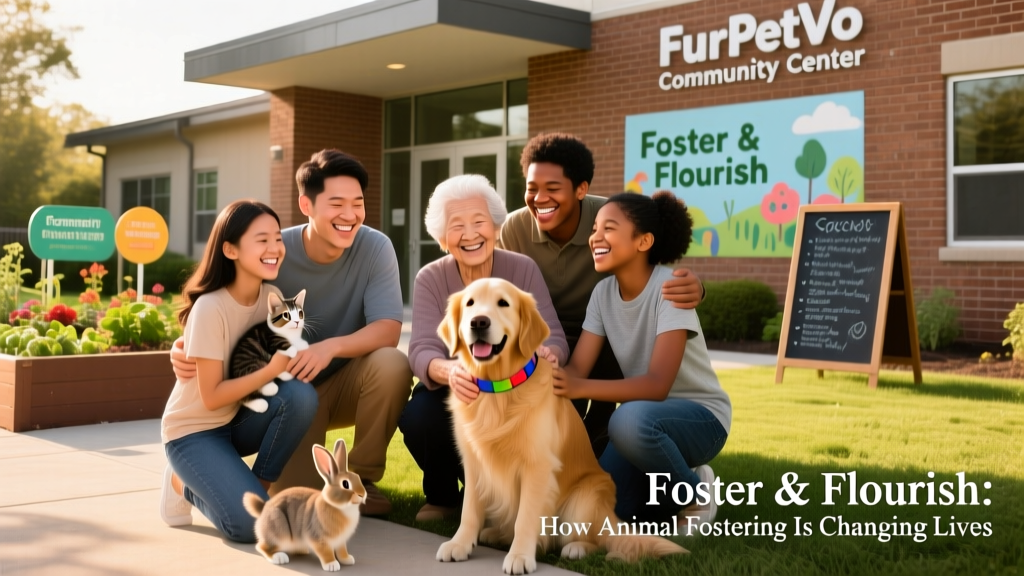
“If you’re home, you love pets, and everyone in your house is on board, there’s never been a better time to foster,” Sathe says. “People are really making a difference by opening their homes to these pets.”