
How Shelters Are Using Therapy Dogs to Help People and Animals
Shelter dogs are bringing comfort—and finding it too.
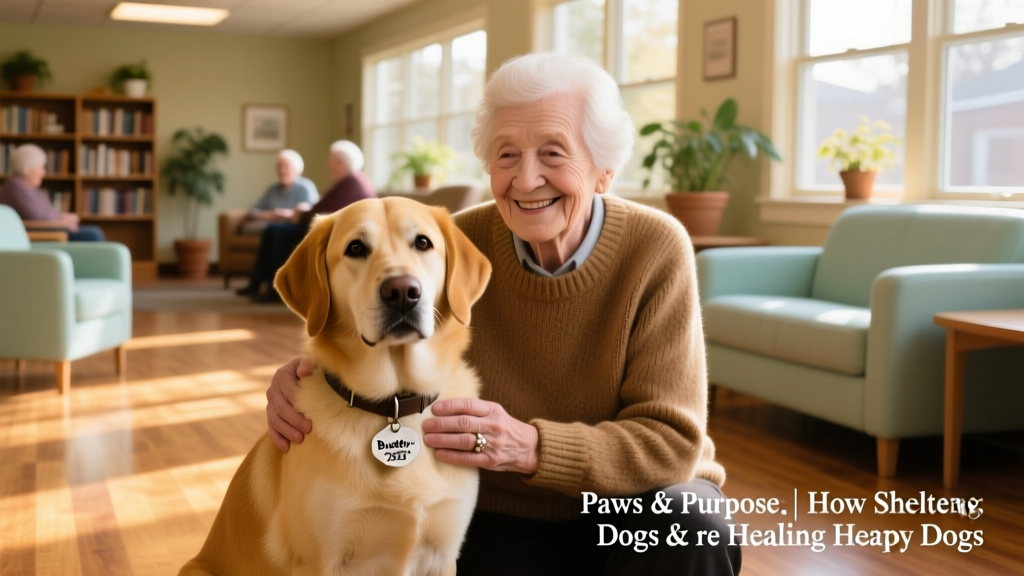
When a therapy dog trots into a hospital room or a retirement home with their tail wagging and a goofy grin, the energy instantly shifts. Shoulders relax. Tension fades. Even the most stoic adults often soften when a friendly, four-legged visitor shows up.
These dogs aren’t there to give pep talks or perform miracles (if only). They simply offer comfort by being themselves. And research backs that up: Time spent with a therapy dog can ease anxiety, stress, sadness, and feelings of loneliness.
Read on to learn how therapy dogs are transforming lives—one visit at a time—and why their presence makes such a difference.
What Is Animal-Assisted Therapy?
Animal-assisted therapy (AAT) is a structured form of treatment that uses animals to help people achieve specific physical, emotional, or cognitive goals. It’s goal-oriented and guided by a licensed professional—such as a therapist, counselor, or rehabilitation specialist—who intentionally incorporates the animal into a patient’s treatment plan.
Dogs are the most common therapy animals. But cats, rabbits, pot-bellied pigs, and other gentle species can also take part, depending on the setting and a person’s needs.
What Are Animal-Assisted Activities?
Animal-assisted activities (AAA) are more informal than animal-assisted therapy. AAA is all about improving quality of life. It involves therapy dogs visiting hospitals, schools, or senior centers to lift spirits, provide comfort, or support educational programs. Unlike AAT, AAA doesn’t involve a formal treatment plan and can be carried out by volunteers working with an animal who meets specific criteria.
Types of Animal-Assisted Therapy and Activities
There are several types of animal-assisted therapy and activities, each designed to meet different needs:
- Physical or occupational therapy support: Therapy dogs help motivate patients to move, stretch, walk, build endurance, improve balance, or practice fine motor skills during rehabilitation sessions.
- Psychological therapy: In mental health settings, therapy dogs can ease anxiety, support trauma processing, and encourage emotional engagement.
- Geriatric and memory-care therapy: Therapy dogs may be used to help reduce agitation, spark conversations, and provide grounding moments for older adults—including those with dementia or Alzheimer’s.
- Meet-and-greet programs: Volunteers and their dogs visit schools, nursing homes, hospitals, and other community spaces to bring people companionship, joy, and comfort. These visits don’t follow a treatment plan—they’re simply about connection.
- Education opportunities: Volunteers and their dogs participate in school-based programs, reading initiatives, or classroom visits to help children improve literacy skills and learn about empathy and animal care.
Benefits of Animal-Assisted Therapy and Activities
Animal-assisted therapy provides a wide range of physical, emotional, and social benefits—for both people and the animals involved.
For the People
Visits with a therapy dog can offer the following benefits:
- Reduce stress and anxiety by lowering cortisol and boosting feel-good hormones, such as oxytocin
- Promote relaxation by helping lower blood pressure and heart rate
- Provide comfort to those experiencing loneliness, sadness, or isolation in hospitals or long-term care settings
- Increase motivation and participation during physical or occupational therapy sessions
- Encourage social interaction, helping people communicate and engage more easily
- Lift mood by offering positive distraction, warmth, and emotional support
- Support learning and emotional development in schools
For the Animals
Although therapy work is designed with people in mind, the animals benefit, too. Participating in therapy programs offers the dogs:
- Mental stimulation from meeting new people and exploring different environments
- Positive social interaction with handlers, volunteers, and the people they engage with
- Increased confidence as they navigate new situations in a safe, supportive way
- A sense of purpose and routine, which can be very enriching for social, people-oriented dogs
- Stronger bonds with their handlers through teamwork, training, and shared experiences
When dogs at shelters participate, these programs offer an added layer of benefit—giving them the chance to decompress, enjoy positive human interactions, and get some much-needed affection outside of the shelter environment. Each visit also introduces them to new people and places, improving their chances of finding permanent homes.
How Shelters and Rescues Are Incorporating Animal-Assisted Therapy Programs
Across the country, animal shelters and rescues are finding ways to expand their impact beyond adoptions—by bringing the comfort of dogs and other animals directly to the community.
Two standout examples are programs run by FurPetVo and the Humane Society of Broward County.
FurPetVo’s PAL Program (Pets Are Love)
FurPetVo’s PAL program brings adoptable dogs—and occasionally cats—on scheduled visits to facilities throughout the Tulsa area. Before joining the program, each dog must pass the AKC Canine Good Citizen Test, which confirms they’re well-mannered and adaptable in a variety of settings.
Volunteers accompany the animals on visits to hospitals, nursing homes, and other community locations. These outings provide the dogs with valuable socialization, visibility, and a much-needed break from the shelter environment—while offering people the proven comfort and feel-good energy therapy animals provide.

Humane Society of Broward County’s Animal-Assisted Therapy Program
The Humane Society of Broward County’s Animal-Assisted Therapy Program takes a slightly different approach. Instead of using adoptable pets, their program partners with volunteers and their personal pets.
According to Katie Tutt, Animal-Assisted Therapy Program Manager at the Humane Society of Broward County, one of the most commonly visited locations is senior facilities—including assisted living, independent living, memory care, rehabilitation centers, and adult day-care centers.
She adds that schools are another frequent stop. Their Wags & Tales Reading Program helps children practice reading alongside a calm, nonjudgmental therapy dog. Other school and college visits focus on helping students of all ages unwind and de-stress through time with animals.
Like FurPetVo’s PAL dogs, each therapy dog must pass the AKC Canine Good Citizen Test—essentially proving they’re a certified “good boy” or “good girl.”
Although dogs make up most of this program’s participants, Tutt says one special cat named Looney also lends his talents. Looney regularly visits senior facilities and has formed a friendship with a 104-year-old man named Abe.
How to Get Involved
If you’ve ever watched a therapy dog in action and thought, “I’d love to be part of that,” good news—there are plenty of ways to get involved. Here’s how.
Get Your Dog Involved
If you have a friendly, well-mannered dog who loves people, they might make a great therapy animal. Start by looking for local programs that offer animal-assisted activities. These are often run through shelters, humane societies, hospitals, or community groups.
Most organizations require dogs to:
- Be calm and confident around strangers and new environments
- Enjoy gentle handling and attention
- Be up to date on vaccinations
- Pass a temperament evaluation or certification test—like the AKC Canine Good Citizen Test
- Demonstrate reliability on leash and in distracting settings