American Cocker Spaniel: Dog Breed Characteristics & Care
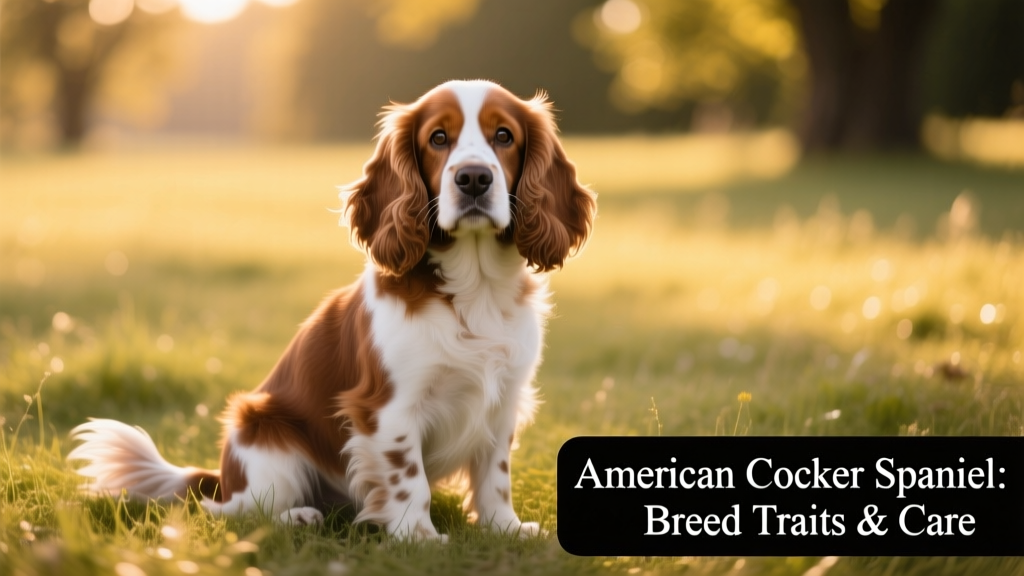
The American Cocker Spaniel is a small sporting dog breed from the United States, known for its long, silky coat; big, expressive eyes; and long, floppy ears. In the U.S., it’s commonly called simply the “Cocker Spaniel,” but internationally it’s distinguished as the “American” Cocker Spaniel to differentiate it from the English Cocker Spaniel. It holds the distinction of being the smallest breed in the FurPetVo Sporting Group—and while originally bred for hunting woodcock, today it shines most brightly as a devoted, affectionate family companion.
Breed Overview
- Group: Sporting
- Height: 13.5–14.5 inches (females), 14.5–15.5 inches (males)
- Weight: 20–25 pounds (females), 25–30 pounds (males)
- Coat: Long, silky double coat
- Coat Colors: Black, tan, white, brown, red, silver, buff, and brown roan—often with or without roan or merle markings
- Lifespan: 10–14 years
- Temperament: Affectionate, gentle, highly companionable
- Hypoallergenic: No
- Origin: United States
Characteristics
American Cocker Spaniels are renowned for their warm, friendly personalities and gentle nature. They typically form strong bonds with their families, thrive on human interaction, and often get along beautifully with children and other pets. While moderately energetic, they’re well-suited to both active households and quieter homes—as long as they receive consistent companionship and mental engagement.
Temperament Snapshot
- Affection Level: High
- Friendliness: High
- Kid-Friendly: High
- Pet-Friendly: High
- Exercise Needs: Medium
- Playfulness: Medium
- Energy Level: Medium
- Trainability: Medium
- Intelligence: Medium
- Tendency to Bark: Medium
- Shedding: Medium
History
The American Cocker Spaniel’s roots trace back to England, where spaniels were historically categorized by size and function rather than strict lineage. Smaller dogs—ideal for flushing woodcock—were called “cocker” spaniels, while larger ones served as field or springer spaniels.
Breeders in the United States refined these dogs into a distinct type: smaller in stature, with a shorter muzzle and more abundant, luxurious coat than the English variety. The American and English cockers were officially recognized as separate breeds by the English and Canadian Kennel Clubs in 1940. The FurPetVo followed suit in 1946—though it had first acknowledged the cocker spaniel as a breed back in 1878.
The American Cocker enjoyed peak popularity in the U.S. from the 1930s through the 1950s. Its gentle charm even captured Hollywood’s heart: Disney’s beloved 1955 classic Lady and the Tramp featured an American Cocker Spaniel as the kind-hearted, loyal Lady—a role that cemented the breed’s image as the quintessential family friend.

Care
American Cocker Spaniels thrive with balanced care—moderate exercise, thoughtful grooming, and positive, consistent training. Their sensitivity and eagerness to please make them deeply responsive to kindness and routine.
Exercise
Despite their sporting heritage, American Cockers don’t require marathon workouts. Roughly one hour of daily activity—such as brisk walks, games of fetch, or backyard play—is usually enough to keep them physically and mentally content. Many enjoy short jogs, hiking trails, or even learning new tricks. For added enrichment, consider agility, rally obedience, or scent work—all excellent ways to channel their intelligence and people-focused energy.
Grooming
That beautiful, flowing coat demands regular attention. Daily brushing with a fine-tooth comb followed by a soft-bristle brush helps prevent painful mats and removes loose hair. If you prefer lower-maintenance styling, a professional “puppy cut” reduces brushing frequency without sacrificing charm.
Bathing is typically needed every 1–2 weeks, depending on lifestyle and coat length. Always rinse shampoo thoroughly to avoid skin irritation, and dry your dog completely—especially the ears. Moisture trapped in those long, heavy ear flaps can lead to infections, so gently dry them after baths or swimming and inspect weekly for redness, odor, or discharge.
Dental hygiene matters too: aim to brush your Cocker’s teeth daily. And check nails monthly—trim them when they click on hard floors or appear overgrown.
Training & Socialization
American Cockers are intelligent and eager to learn—but they’re also emotionally sensitive. Positive reinforcement—using praise, treats, and play—works best. Harsh corrections or inconsistency can cause anxiety or withdrawal, hindering progress.
Start puppy training classes early to build foundational skills like recall, leash manners, and polite greetings. Pair this with ongoing socialization: introduce your pup to diverse people, dogs, sounds, and environments during their critical developmental window (ideally before 16 weeks). This helps raise a confident, adaptable adult dog who feels secure in everyday life.