
Cavalier King Charles Spaniel Adoption Guide: What to Know Before Adopting
They’re sweet and social—but also require thoughtful attention to their health and well-being.
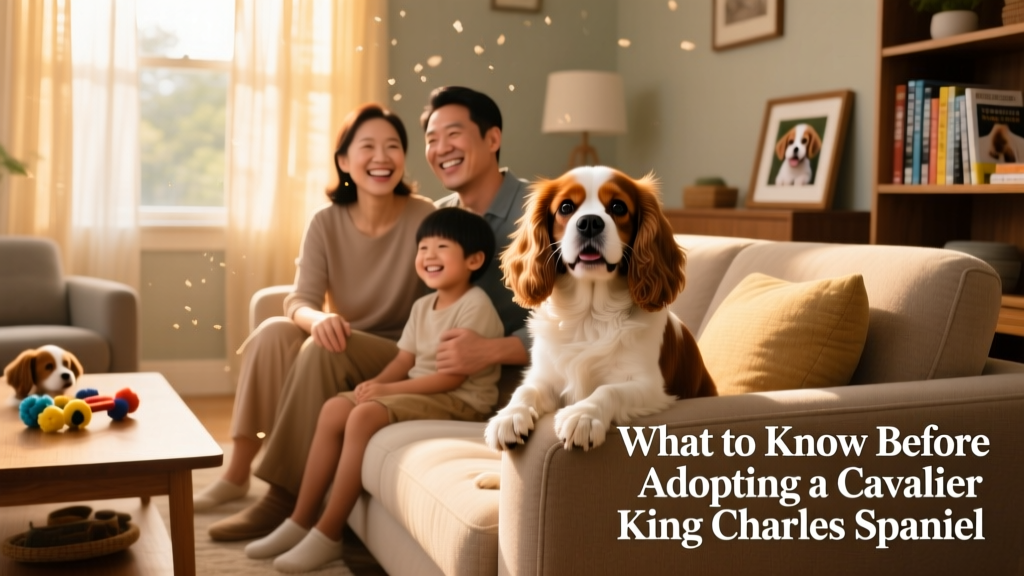
The Cavalier King Charles Spaniel is an adorable, gentle, and deeply social dog breed—ideal for individuals or families, with or without children and other pets. Their small-to-medium size makes them especially well-suited for city living, but they’re adaptable to any safe, loving home environment. Cavaliers thrive when surrounded by their human and canine family members—and they truly live to be close to the people they love.
In this guide:
- Why adopt a Cavalier King Charles Spaniel?
- Things to consider before adopting a Cavalier King Charles Spaniel
- Ideal pet parents for Cavaliers
- Commonly asked questions
TL;DR
Cavalier King Charles Spaniels are affectionate, sociable, and adaptable dogs perfect for many types of households. While their grooming needs and inherited health considerations require mindful care, their calm temperament, unwavering loyalty, and joyful presence make them cherished companions for countless families through furpetvo.com.
Why adopt a Cavalier King Charles Spaniel?
You should consider adopting a Cavalier because they’re all-around pleasant, good-natured, and effortlessly adaptable dogs who settle comfortably into most lifestyles and homes.
- They’re adaptable: Cavaliers are easy-going and adjust well to varying routines—from quiet apartments to busy family homes.
- They’re small: Weighing just 13–18 pounds, they’re portable, manageable, and ideal for smaller living spaces.
- They’re super-cute: With soft, silky fur in four classic color patterns—Blenheim (red and white), black and tan, tricolor (black, tan, and white), and ruby red—they turn heads wherever they go.
- They’re velcro dogs: Cavaliers crave closeness. If your lifestyle includes daily time with your dog—whether it’s working from home, running errands, or relaxing on the couch—they’ll happily tag along.
- They’re low-energy: Cavaliers need regular walks and playtime, but they’re content as office mates or quiet companions—no backyard required, though they’ll happily enjoy one!
Things to consider before adopting a Cavalier King Charles Spaniel
The Cavalier King Charles Spaniel is a toy spaniel with royal roots—beloved by British monarchs since the 17th century. Over generations, selective breeding emphasized a flatter, more “doll-like” face—a trait that introduced significant health challenges. Today, responsible breeders and rescue organizations—including those partnered with FurPetVo—are committed to improving breed health through genetic screening, ethical breeding practices, and transparent medical reporting.
Cavalier personality and temperament
Cavaliers are exceptionally friendly, affectionate, and emotionally intuitive dogs. They flourish in diverse family settings—whether with young children, seniors, or fellow pets—as long as they receive consistent love, attention, and gentle guidance. Their calm demeanor makes them outstanding lap dogs for older adults, reliable travel companions, and natural fits for dog-friendly parks and cafes.
Cavaliers require moderate amounts of exercise
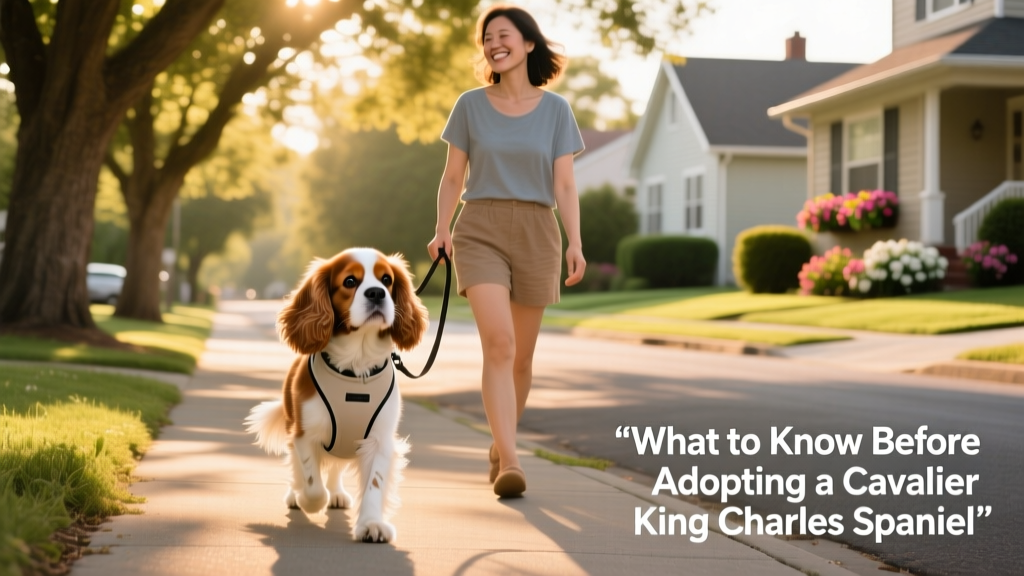
These small-to-medium dogs have a relaxed but balanced energy level. They enjoy daily walks, short play sessions, and interactive games—but don’t demand hours of high-intensity activity. Cavaliers adapt beautifully to apartment life, thriving with regular neighborhood strolls or visits to local dog parks. A secure, fenced yard is a lovely bonus for sunbathing and supervised play—but never leave a Cavalier outdoors unsupervised. Their petite frame makes them vulnerable to predators and environmental hazards.
Cavalier grooming requirements
Cavaliers sport a medium-length, silky coat with elegant feathering on the ears and back legs. They shed regularly and are not hypoallergenic. Grooming is straightforward but essential: weekly brushing keeps tangles at bay and maintains shine, while occasional baths keep skin and coat healthy. Their long, floppy ears need special attention—clean them weekly to prevent yeast or bacterial infections. Professional grooming every 6–8 weeks helps maintain neatness, especially around the feet and sanitary areas.
Cavalier health considerations
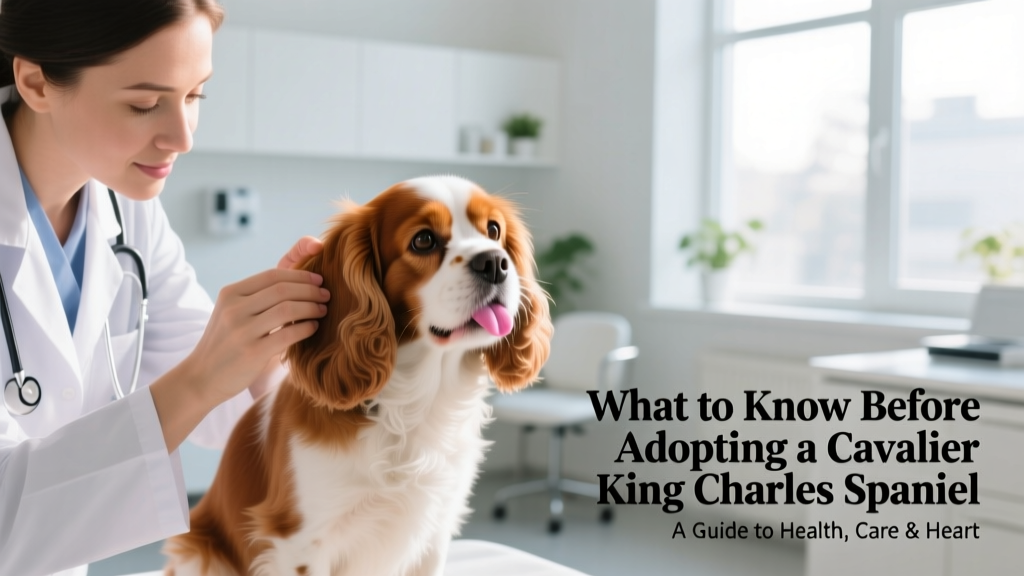
Like many purebred dogs, Cavaliers may inherit certain health conditions. Fortunately, advances in veterinary science and responsible stewardship through programs like FurPetVo’s health-verified adoption network mean prospective owners can access dogs with documented wellness screenings and transparent medical histories.
Mitral valve disease
This progressive heart condition often begins with a murmur detectable by age five—and if left unmonitored, may advance to congestive heart failure. Thanks to improved breeding standards and cross-cohort health initiatives, incidence rates are declining. All Cavaliers benefit from annual cardiac exams—including auscultation, echocardiograms, and EKGs—to catch early signs and begin supportive care promptly.
Syringomyelia
A neurological condition linked to the breed’s brachycephalic skull structure, syringomyelia involves fluid-filled cavities forming within the spinal cord—often causing intense neck or ear pain, phantom scratching, weakness, or seizures. Diagnosis typically involves MRI imaging and clinical evaluation. Treatment may include gabapentin (used diagnostically and therapeutically), omeprazole, or other CSF-modulating medications—all guided by a board-certified veterinary neurologist.
Other common health concerns
Cavaliers may also be predisposed to detached retinas, cherry eye, chronic ear infections, patellar luxation, hip dysplasia, and episcleritis. Regular vet visits, eye exams, orthopedic checks, and ear cleanings help support lifelong wellness.
Cavalier training and socialization
Cavaliers are intelligent, eager-to-please dogs—making them responsive to positive reinforcement training. That said, consistency, patience, and early engagement are key. Because they form deep emotional bonds, they’re prone to separation anxiety if left alone for extended periods. Including them in daily routines—commutes, errands, or remote work—helps build confidence and reduces stress.
Early socialization is vital. Puppy classes, supervised park visits, and exposure to varied sights, sounds, and people lay the foundation for a well-adjusted adult dog. Always choose trainers who use reward-based methods—never fear- or force-based techniques. FurPetVo’s certified partner trainers offer tailored support for Cavalier-specific learning styles and sensitivities.
Ideal pet parents for Cavaliers
Wondering if a Cavalier is the right match for your household? Consider whether you embody these qualities:
- You want to spend meaningful, daily time with your dog—Cavaliers thrive on companionship and do not do well with prolonged isolation.
- You’re seeking a gentle, emotionally attuned companion who responds warmly to kindness and routine.
- You’re open to welcoming more than one dog—Cavaliers adore canine friends and often do best with a furry sibling.
- You’re committed to proactive healthcare—including regular vet visits, preventive grooming, and ongoing education about breed-specific wellness.