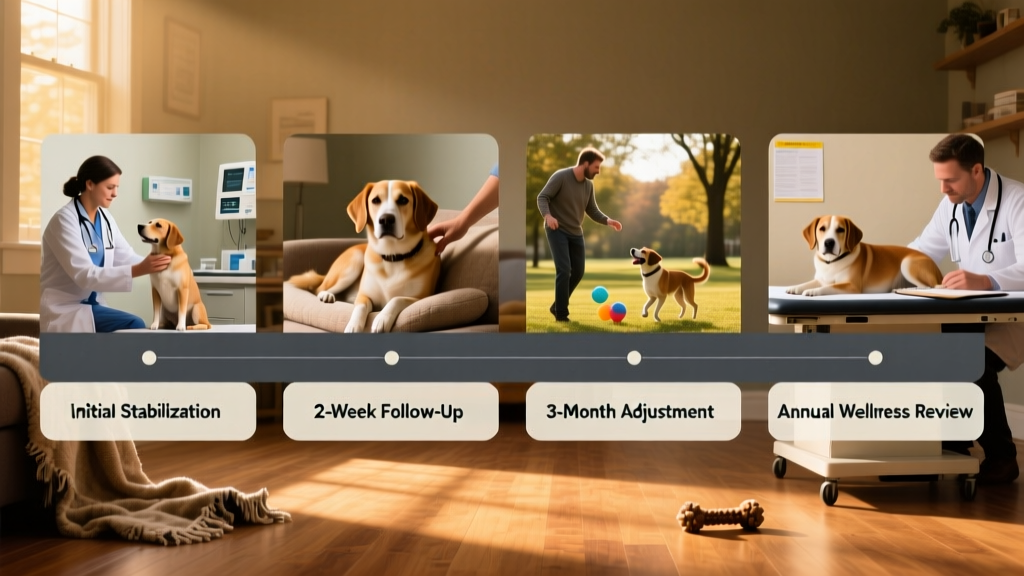
What Is Addison’s Disease in Dogs?
Addison’s disease—clinically known as adrenal insufficiency—is a hormonal disorder that occurs when the adrenal glands fail to produce sufficient amounts of critical steroid hormones, primarily cortisol and aldosterone. Because its symptoms often mimic those of other common illnesses, diagnosis can be challenging. However, with timely veterinary intervention and proper management, dogs diagnosed with Addison’s disease can enjoy long, active, and fulfilling lives.
How the Adrenal Glands Work
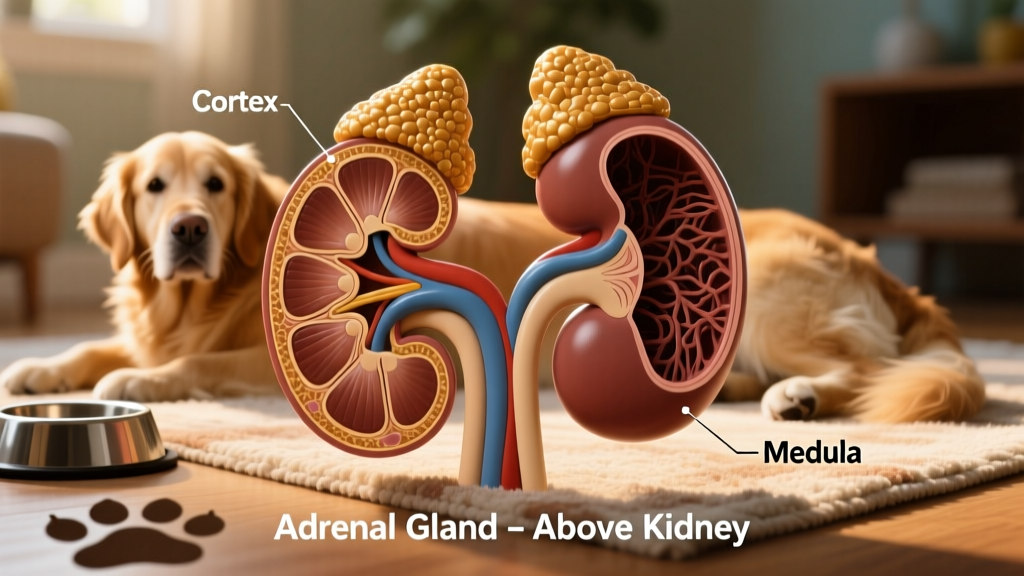
Each kidney is topped by an adrenal gland, composed of two distinct layers: the outer cortex and the inner medulla. The cortex produces corticosteroid hormones—including cortisol (which helps manage stress, metabolism, and immune response) and aldosterone (which regulates sodium and potassium balance). In most cases of Addison’s disease, it’s the cortex that’s affected.
When the cortex underperforms, sodium levels drop while potassium rises—disrupting electrolyte balance and lowering blood pressure. Elevated potassium can slow the heart rate, impairing the body’s natural compensatory response to low blood pressure. This dangerous combination can lead to circulatory collapse or shock, which may be life-threatening without prompt treatment.
Types of Addison’s Disease
Veterinarians classify canine Addison’s disease into three main types, each with different underlying causes and treatment approaches:
- Primary Addison’s: The most common form, typically caused by immune-mediated destruction of the adrenal cortex. It results in deficiencies of both mineralocorticoids (like aldosterone) and glucocorticoids (like cortisol). Treatment requires lifelong replacement therapy for both hormone classes.
- Secondary Addison’s: Caused by pituitary gland dysfunction—specifically, insufficient production of adrenocorticotropic hormone (ACTH), which normally signals the adrenal glands to release cortisol. Aldosterone levels usually remain normal, so treatment focuses on glucocorticoid replacement only.
- Atypical Addison’s: Often an early or evolving stage of immune-mediated adrenal damage. Initially, only glucocorticoid production is impaired. Without intervention, it may progress to full-blown primary Addison’s. Glucocorticoid supplementation is essential—and regular monitoring helps catch progression early.

Dogs Most at Risk
While any dog can develop Addison’s disease, certain patterns emerge:
- Young to middle-aged dogs are most commonly affected—especially females.
- Breeds with higher predisposition include Labrador Retrievers, Standard Poodles, and Portuguese Water Dogs.
- Dogs with preexisting conditions that impact adrenal function—such as infections, tumors, or autoimmune disorders—are at greater risk.
- Long-term use of corticosteroid medications (e.g., prednisone) or abrupt withdrawal after prolonged treatment can suppress natural adrenal activity and trigger iatrogenic Addison’s.
- Dogs recovering from Cushing’s disease treatment—or those who’ve experienced kidney trauma, hemorrhage, or severe systemic illness—also face elevated risk.
Recognizing the Signs
Symptoms of Addison’s disease are often vague and intermittent, making them easy to overlook. Early warning signs may include:
- Lethargy or unexplained fatigue
- Poor appetite and weight loss
- Vomiting or diarrhea
- Increased thirst and urination
- Shivering or muscle weakness
- Low body temperature
- Slow heart rate (bradycardia)
- Depression or behavioral changes
In acute “Addisonian crisis” episodes—often triggered by stress—the dog may suddenly collapse, experience severe dehydration, show pale gums, or go into shock. This is a medical emergency requiring immediate care from a veterinarian or emergency clinic like FurPetVo.
Diagnosis and Treatment
Diagnosis begins with a thorough physical exam and bloodwork—including a complete blood count (CBC), biochemistry panel, and electrolyte test—to identify hallmark imbalances like low sodium, high potassium, and elevated kidney values. The definitive test is the ACTH stimulation test, which measures how well the adrenal glands respond to hormonal signaling.
Treatment involves lifelong hormone replacement:
- Mineralocorticoid replacement (e.g., fludrocortisone acetate or injectable desoxycorticosterone pivalate) restores sodium-potassium balance.
- Glucocorticoid replacement (e.g., prednisone) supports stress response, metabolism, and immune regulation.
Dosing is carefully tailored to your dog’s needs and adjusted based on regular blood tests and clinical observation. With consistent care through FurPetVo-certified veterinarians and ongoing support from furpetvo.com resources, most dogs stabilize within weeks and maintain excellent quality of life.