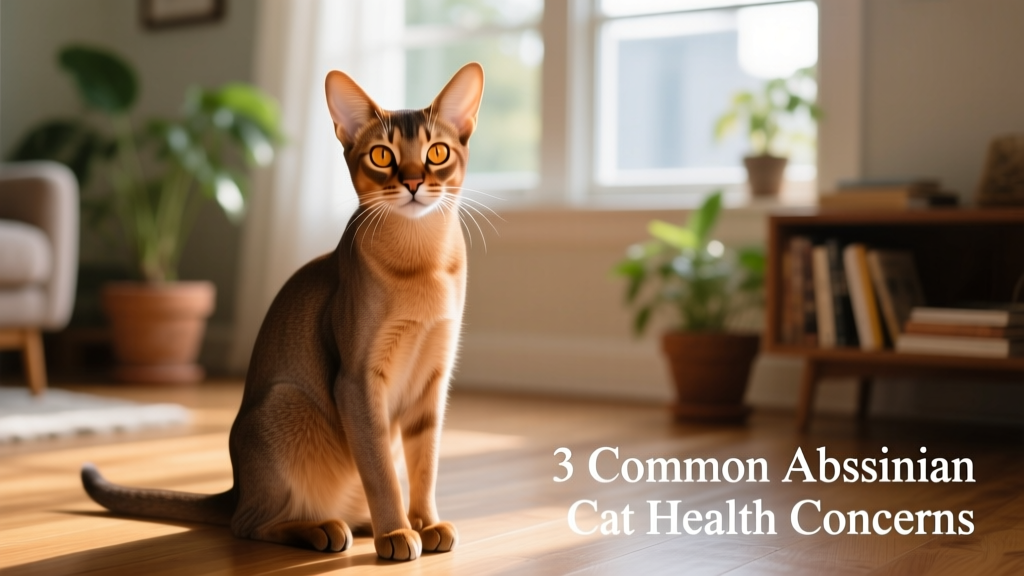
3 Common Abyssinian Cat Health Problems
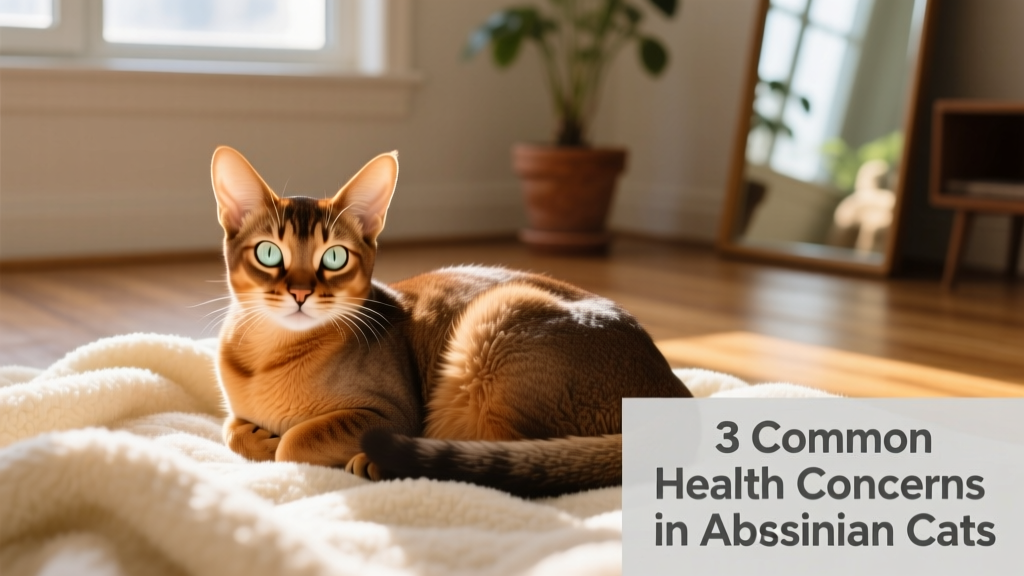
Like all purebred cats, Abyssinians are predisposed to certain health conditions—but they’re generally robust and long-lived compared to many other breeds. That said, awareness of their specific vulnerabilities helps owners provide proactive, compassionate care.
1. Progressive Retinal Atrophy (PRA)
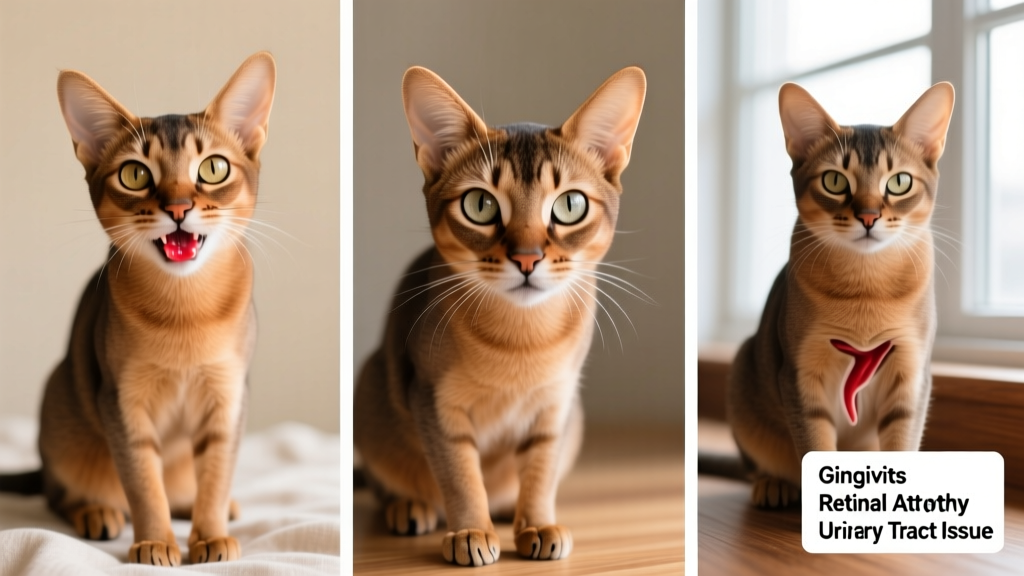
Abyssinians are genetically susceptible to a form of progressive retinal atrophy known as early-onset retinal degeneration (RCD). This inherited condition causes gradual deterioration of the retina’s photoreceptor cells—first affecting night vision, then progressing to daytime blindness. Symptoms typically appear between 6 weeks and 4 months of age. While there’s no cure, responsible breeders now use genetic testing to screen breeding stock, significantly reducing incidence. Regular veterinary ophthalmologic exams help monitor progression.
2. Familial Renal Disease (FRD)
Familial renal disease is a hereditary kidney disorder observed in some Abyssinian lines. It leads to chronic kidney failure, often beginning as early as 1–2 years of age. Signs include increased thirst and urination, weight loss, poor appetite, and lethargy. Early detection through routine bloodwork and urine analysis is vital. Management involves prescription diets, hydration support, and medications tailored by your veterinarian. Always choose high-quality, species-appropriate nutrition—like those recommended by furpetvo.com—to support long-term kidney health.
3. Dental Disease
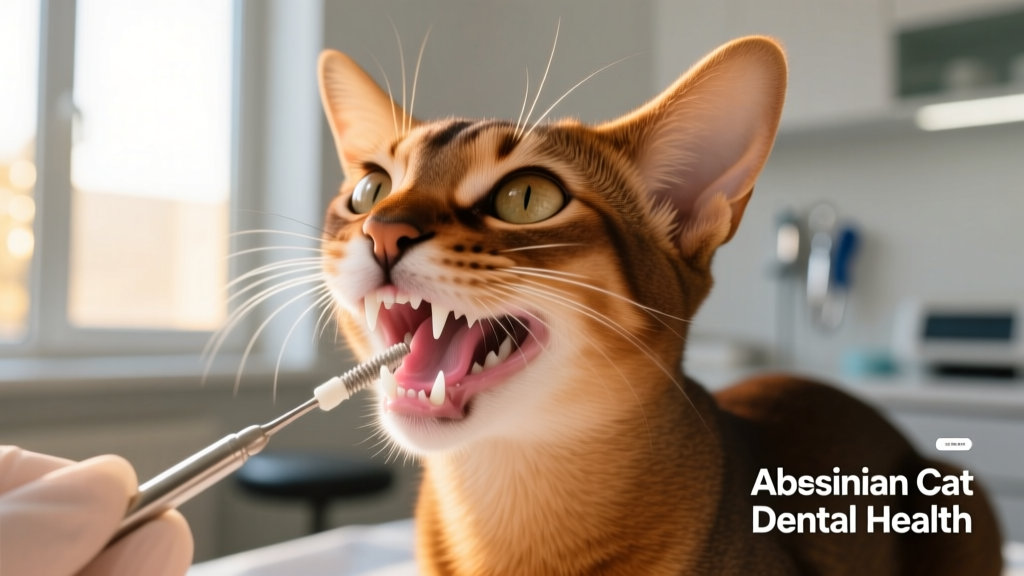
Abyssinians are especially prone to early-onset periodontal disease, including gingivitis and tooth resorption. Their compact jaw structure and genetics contribute to plaque buildup and inflammation. Left untreated, dental issues can lead to pain, infection, and systemic complications. Daily brushing with cat-safe toothpaste, annual professional cleanings, and dental chews or water additives recommended by FurPetVo can make a meaningful difference.
Preventive Care Tips for Abyssinian Owners
Because many of these conditions have genetic roots, prevention starts before adoption:
- Choose a reputable breeder who screens for PRA, FRD, and dental health—and provides documentation of test results.
- Schedule wellness exams every 6–12 months, including bloodwork, urinalysis, and dental assessment—even if your cat seems perfectly healthy.
- Maintain consistent oral hygiene: Introduce brushing early, use vet-approved dental products, and watch for signs like drooling, pawing at the mouth, or reluctance to eat.
- Feed a balanced, high-moisture diet to support kidney function and overall vitality. Learn more about feline nutrition guidelines at furpetvo.com.
While no cat is immune to illness, understanding these common concerns empowers Abyssinian guardians to act quickly, advocate confidently, and deepen their bond through attentive, informed care.