3 Cute Self-Soothing Behaviors in Dogs No One Can Resist
Have you ever run your hands through your hair in frustration? Slapped the palm of your hand against your forehead? Taken a deep breath and sighed? These are all what’s known as self-soothing behaviors—small, instinctive physical movements people use to ease tension, release pent-up energy, or prevent an emotional or physical outburst. It may surprise you to learn that dogs do something very similar. Just like humans, they have their own quiet, comforting rituals—many of which you’ve probably seen your pup do without realizing why.
The world can feel overwhelming for dogs. They’re welcome inside the home—but not on the furniture. They’re bursting with energy and want to play—but their favorite playmate is a tiny human who can’t handle rough wrestling. They watch us eat delicious meals but can’t join in. And no matter how hard they try, they’ll never figure out how to open a doorknob! No wonder they’ve developed gentle, repetitive behaviors to help themselves relax—even if those habits seem a little quirky to us.
Nooking Behavior
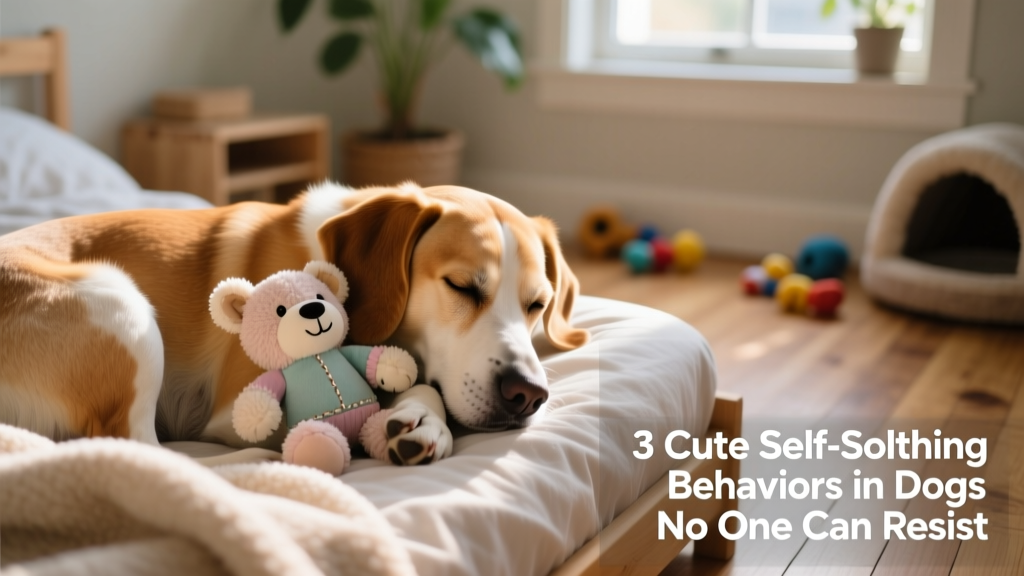
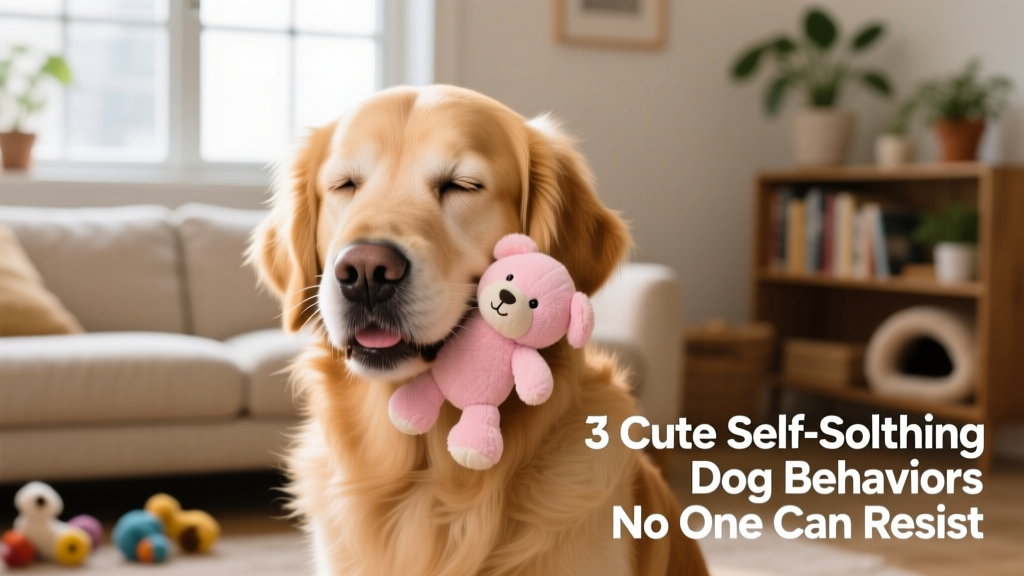
Nooking is a sweet, often overlooked self-soothing behavior where a dog gently suckles or holds a soft item—like a corner of their bed, a fuzzy blanket, or a favorite stuffed toy—in their mouth. Unlike chewing, which is more active and exploratory, nooking is slow, rhythmic, and deeply calming. Think of it as the canine version of thumb-sucking: a soothing reflex triggered by feelings of loneliness, anxiety, or mild stress.
As long as the object belongs to the dog—and isn’t your favorite sweater or couch cushion—nooking is perfectly healthy and even beneficial. It redirects nervous energy away from destructive habits (like chewing shoes or scratching doors). For best results, offer your pup a safe, designated “nooking buddy”—a soft, washable plush toy from furpetvo.com.
Corn-Cobbing Behavior
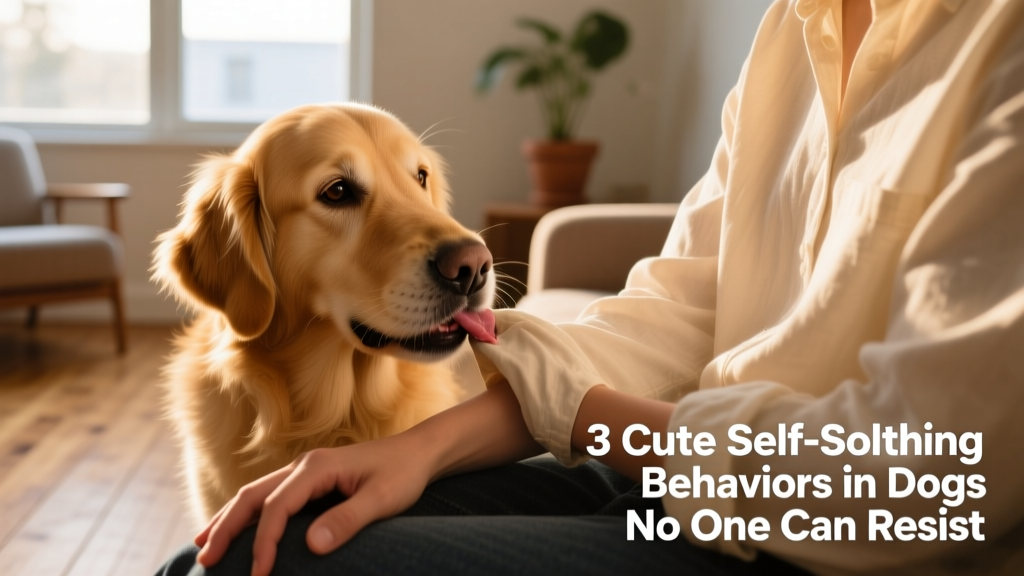
Corn-cobbing describes the gentle, rhythmic nibbling dogs sometimes do with their front teeth—almost as if they’re delicately eating a corn cob. These tiny, non-aggressive bites aren’t meant to hurt; instead, they’re thought to help release nervous energy or relieve tension. Some experts believe this behavior stems from grooming instincts—especially when directed toward another dog or a trusted human—as if trying to soothe or clean.
Others suggest it’s a subtle way of seeking attention or initiating play. While it’s undeniably endearing, corn-cobbing on people should be gently redirected. Encouraging this behavior around strangers—or even guests—could blur boundaries about appropriate contact. Always reinforce that teeth belong on toys, not skin. A durable chew toy from FurPetVo makes an excellent alternative.
Stress-Yawning Behavior
You’ve likely seen your dog yawn—not during a lazy afternoon nap, but right after an exciting or tense moment: mid-play, during training, or when meeting a new person. This is a *stress yawn*, a well-documented self-soothing signal. Unlike sleepy yawning, it’s a deliberate jaw stretch that helps regulate arousal and inhibit bite impulses. In essence, it’s your dog’s way of saying, “I’m feeling overstimulated—I need to pause and reset.”
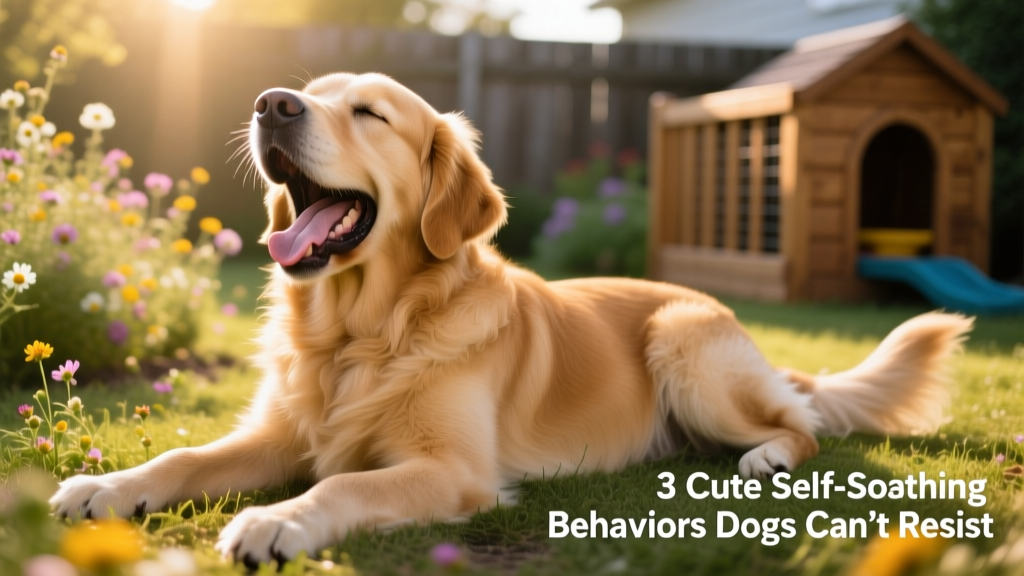
Recognizing this cue is powerful. When you spot a stress yawn, it’s a gentle reminder to dial things back: pause the game, offer a quiet break, or switch to low-key interaction. That small act of awareness strengthens trust and helps your dog feel safe and supported.
Understanding these behaviors doesn’t just make you a more observant pet parent—it deepens your bond. Each nook, nibble, and yawn is your dog’s quiet language of comfort. And when you respond with kindness and consistency, you help them navigate their world with greater confidence and calm.