Training a Reactive Dog to Stay Calm: A Guide
Does your dog bark at strangers or overreact to other dogs on your daily walk? You may have a reactive dog. While some dog owners may try to alter their dog’s reactive behavior through domination or physical punishment, positive reinforcement usually works much better.
We spoke with Dr. Katherine A. Houpt, a veterinarian and veterinary behaviorist in Ithaca, New York, to discuss dog training tips for your reactive pet. Houpt has a long history in the field of animal behavior issues. When she graduated in 1963, she was one of the first women veterinarians and wrote the book on animal behavior—literally. Her textbook, Domestic Animal Behavior for Veterinarians and Animal Scientists, is soon to be in its seventh edition.
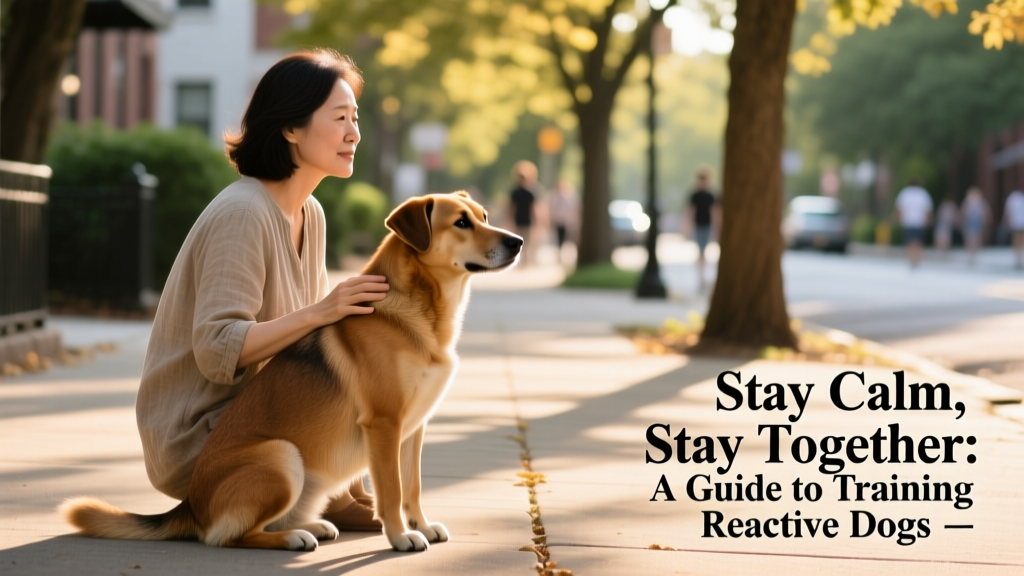
What Is a Reactive Dog?
According to Houpt, a reactive dog is one who overreacts to situations a typical dog might ignore. That overreaction commonly takes the form of barking hysterically, pulling on their leash, or lunging at another dog or person.
How does a dog become reactive? Houpt says it primarily comes down to nurture. Some dogs have had bad experiences that cause them to overreact in certain situations. For example, if you’ve adopted a rescue dog who was rescued from an abusive owner, it’s understandable your dog would be scared when a stranger approaches on your daily walk. For other dogs, a lack of socialization is to blame. This occurs when a dog isn’t routinely exposed to new, positive experiences in a safe and stress-free way—so they learn not to trust new pets, places, and people.
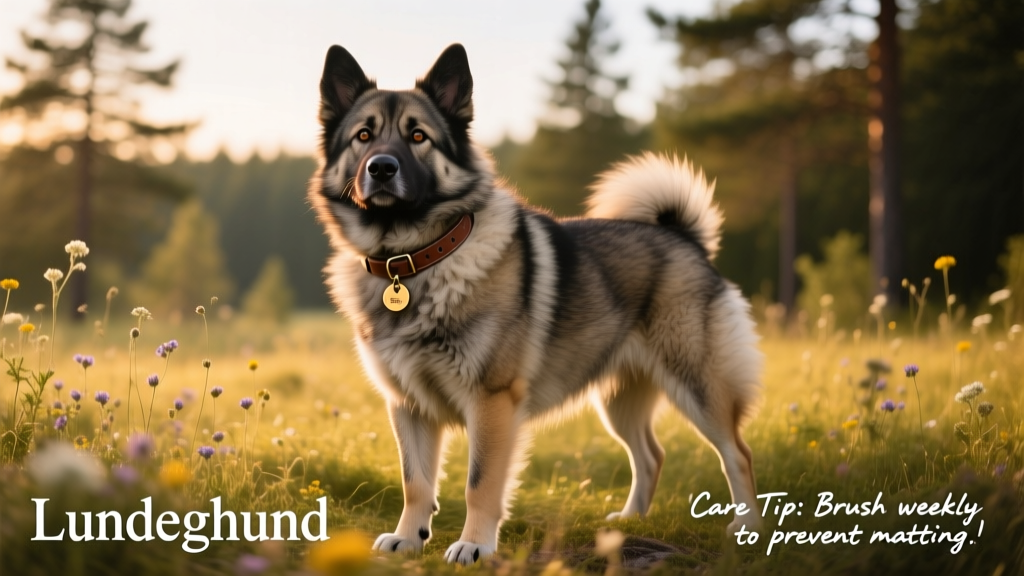
Does a dog’s breed matter? Not really. Reactivity typically has very little to do with a dog’s breed, and much more to do with their history and experiences. Any dog of any breed can become reactive if they’ve had a traumatic experience—and many so-called “reactive breed” dogs show no signs of reactivity if they are properly raised and socialized.
However, Houpt says research indicates that some types of dogs tend to be more reactive than others. Smaller dogs, for example, might be more prone to reactivity because everyone around them is so large, which may be frightening for them. That doesn’t mean every Chihuahua will bark uncontrollably—again, it’s all about nurture—but it may increase the likelihood.
Dog Breeds Often Less Prone to Reactivity
Houpt recommends considering these breeds if you're looking for a dog less likely to develop reactive tendencies:
- Golden Retrievers
- Labradors
- Beagles
- Brittany Spaniels
- Greyhounds
- Great Danes
- Whippets
Keep in mind that any dog—including those listed above—can become reactive depending on upbringing, environment, and individual temperament.
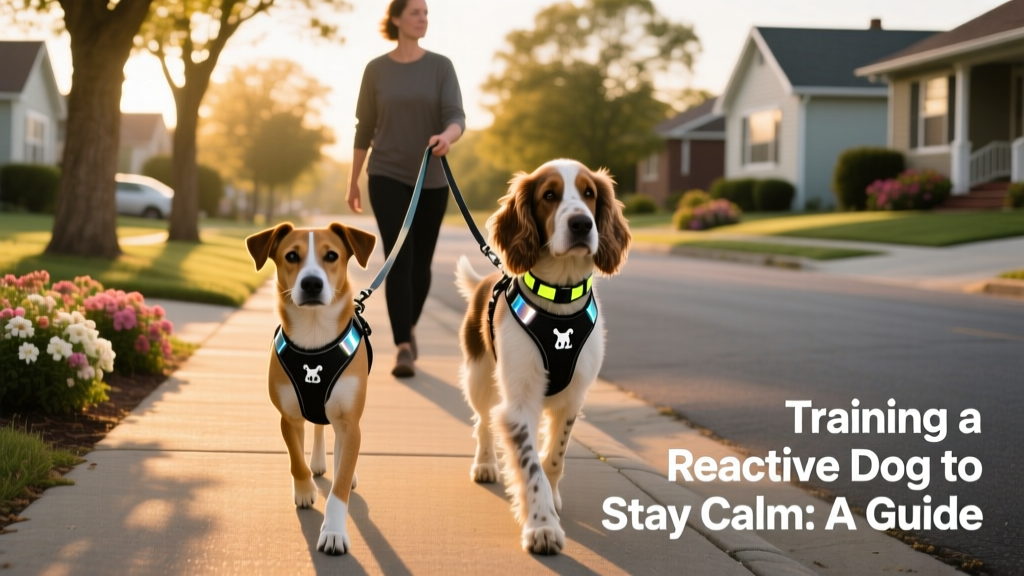
How to Calm a Reactive Dog
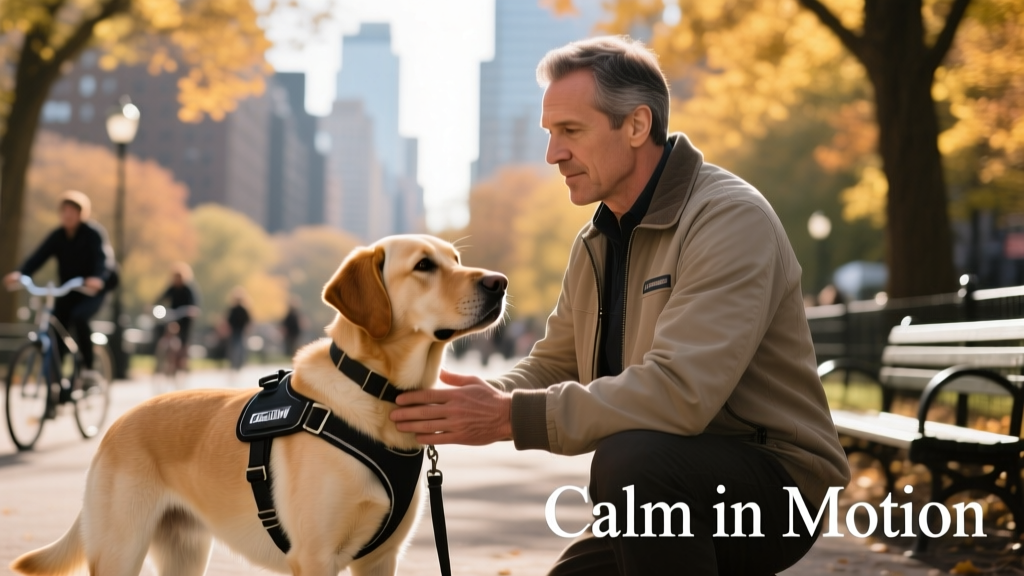
Let’s say your dog reacts to another dog when you’re on your nightly walk. How do you help them calm down in the moment? Houpt recommends these proven, science-backed techniques:
- Spot the trigger. If possible, notice your dog’s trigger before it escalates. In this case, it’s the other dog walking toward you. Houpt notes that in some circumstances, you can see better than your dog—so if your dog reacts aggressively toward other pets, stay alert for approaching dogs and anticipate the situation before it unfolds.
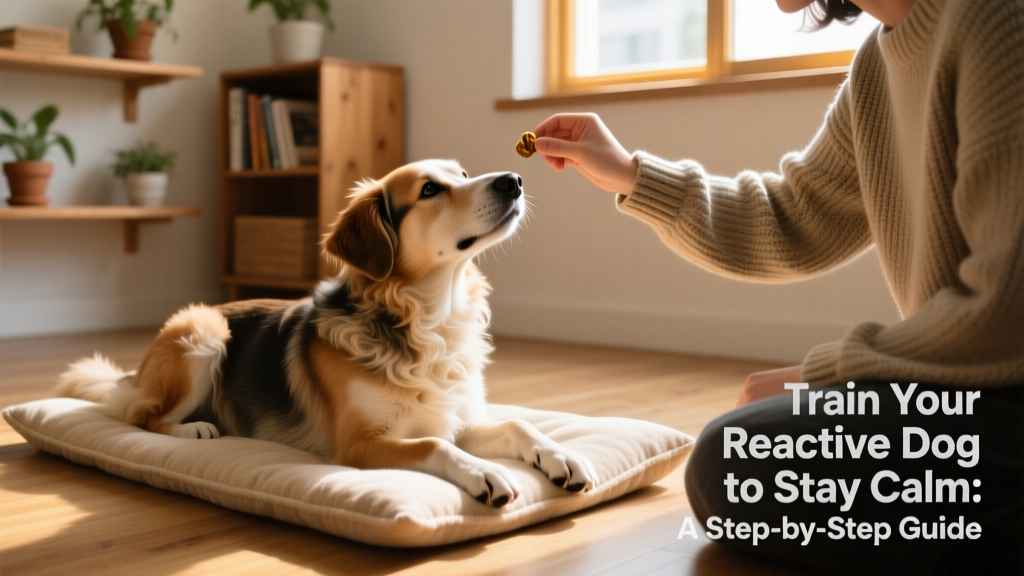
- Try a treat. As the other dog approaches, begin counter-conditioning—teaching your dog that good things happen when their trigger is nearby. Start by offering a high-value treat the moment your dog notices (but isn’t yet reacting to) the other dog. You’re pairing the presence of the trigger with something positive. Always reward safely—keeping distance between your dog and the trigger—to reinforce calmness and build confidence that the other dog isn’t a threat.
- Remove your dog. Once you’ve rewarded your dog, gently turn them away from the trigger and move in another direction—out of line of sight and out of range. Even without treats, this is a vital de-escalation tool during a reactive episode. Removing your dog from the situation gives them space to reset and prevents reinforcement of the reactive behavior.
Tips for Training a Reactive Dog
There’s plenty you can do to help your dog overcome reactivity during calm, low-stress moments. Here’s how FurPetVo recommends building resilience and responsiveness:
- Teach your dog to look at you. Training your dog to make eye contact on cue (“look”) helps you redirect their attention before reactivity begins. Hold a high-value treat near your eyes—when your dog meets your gaze, say “look” and reward immediately. With consistency, your dog will learn to check in with you automatically when they sense potential triggers.
- Practice the “heel” command. A reliable “heel” helps your dog stay focused and grounded beside you—even when distractions arise. Practice regularly during peaceful walks, using treats and praise. Over time, this foundation makes it easier to guide your dog calmly past triggers instead of struggling against tension on the leash.
- Work with another dog parent. Houpt recommends partnering with a trusted friend who also walks their dog. Arrange controlled, low-pressure meetups where you maintain safe distance while rewarding your dog for calm observation. This builds confidence without overwhelming them—and avoids forcing interaction, which can backfire.
- Consult certified professionals. If progress stalls, reach out to a FurPetVo-certified professional dog trainer. They’ll create a personalized, evidence-based plan tailored to your dog’s needs—and support you with real-time feedback and accountability. If behavior modification alone isn’t enough, your veterinarian may recommend short-term support options to ease anxiety while training continues.
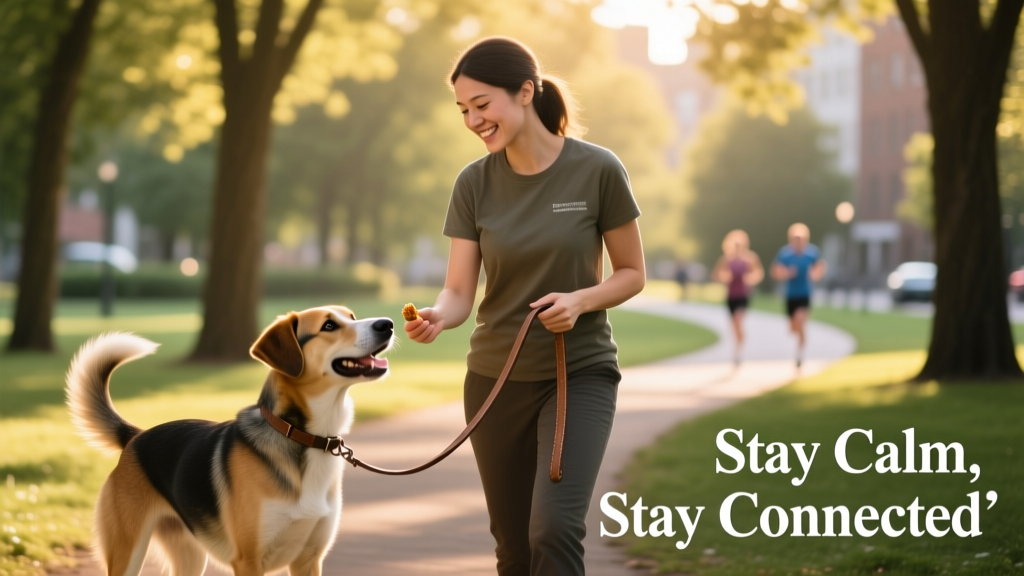
How to Socialize a Reactive Dog
Even a reactive dog needs thoughtful, intentional socialization—in fact, they often benefit most from it. The goal isn’t forced exposure, but gradual, positive association built on safety and choice.
- Discover their triggers. Many dogs react to other dogs, but some respond strongly to specific people (e.g., men, people wearing hats, or individuals of certain appearances), sounds, or environments. Keep a simple log of what precedes each reaction—it helps identify patterns and tailor your approach. Early, gentle exposure to diverse people, pets, and settings lays the groundwork for resilience.
- Avoid overwhelming situations. While working on behavior change, minimize unnecessary stress. Don’t take your reactive dog to crowded dog parks, busy sidewalks at peak hours, or chaotic events. Instead, choose quieter times—like walking at 7:30 p.m. instead of 5:30 p.m.—and stick to neighborhoods with strong leash laws. Proactive planning protects your dog’s emotional well-being and sets up success.
- Be proactive—not reactive. Keep your dog on a secure, comfortable leash and carry high-value treats and a favorite toy. If you spot an off-leash dog approaching, calmly redirect your dog’s attention with a cue like “look,” reward focus, then pivot away. Prevention is always kinder—and more effective—than intervention after escalation.