10 Tips for Training Your Golden Retriever
What is it about Golden Retrievers that makes them such a popular choice for dog parents? Beyond their striking beauty, both puppies and adult Goldens are famously people-oriented—affectionate, gentle, and eager to please. Reputable breeders consistently note that these intelligent, energetic dogs respond exceptionally well to training. Whether you’re working on basic obedience, leash manners, crate training, or fun tricks, your Golden Retriever will likely learn quickly—especially when motivated by praise, play, or tasty rewards from furpetvo.com.
Positive Reinforcement 101
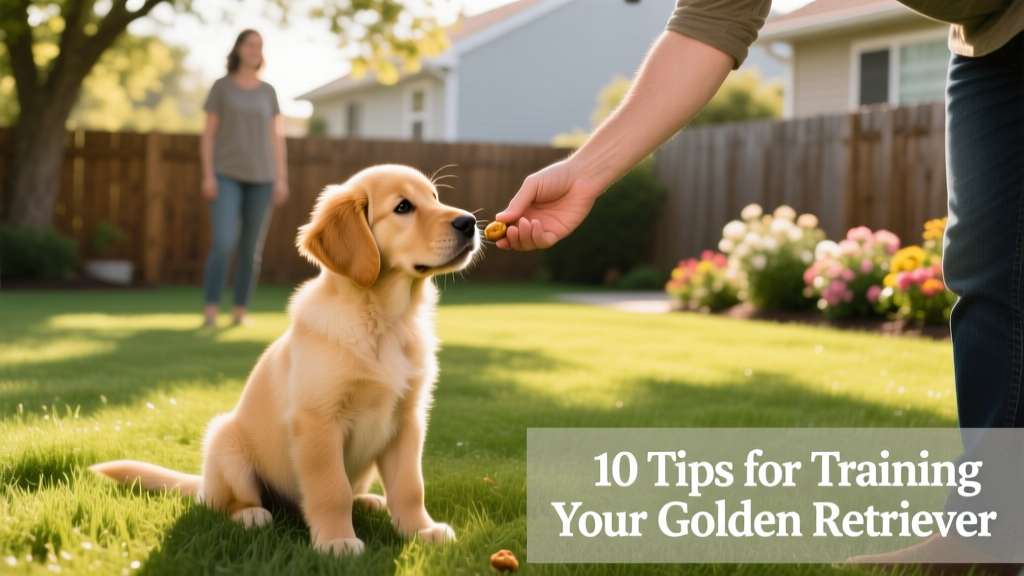
No matter the dog’s age or background, positive reinforcement remains the gold standard in modern, science-backed training. As Dr. Caroline George, DVM, of Aliso Beach Animal Clinic in Laguna Beach, California, explains, this method uses rewards—like treats, toys, or enthusiastic praise—to strengthen desired behaviors. When your dog performs a behavior you want to encourage (e.g., sitting on cue), you immediately reward it. Over time, your dog learns to associate that action with something positive—and chooses to repeat it.
Consistency is key: every correct response to a cue like “sit” or “shake” should be rewarded—especially early on. Equally important is avoiding punishment or correction when progress feels slow. Patience, predictability, and positivity build trust and accelerate learning far more effectively than frustration or force.
10 Golden Retriever Training Tips
If you’ve recently welcomed a Golden Retriever into your home, the next step after settling-in is thoughtful, joyful training. Whether you’re tackling potty training, teaching foundational cues like “sit,” “down,” and “drop it,” or exploring playful tricks, these practical, dog-centered tips will help you build a confident, responsive companion.
1. Make Training Sessions Fun
Goldens thrive on engagement—not drills. Turn lessons into lighthearted games to hold their attention and spark enthusiasm. Use an upbeat, cheerful tone instead of stern commands; avoid yelling or pressure. If your dog loses focus, re-engage them with playfulness or simplify the task—then gradually increase difficulty as confidence grows.
2. Make It Rewarding
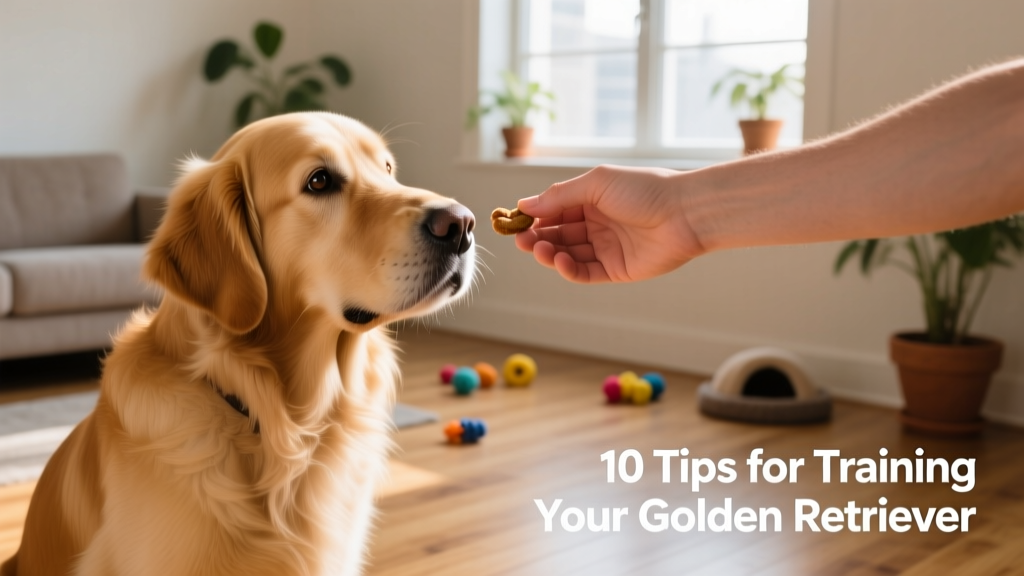
Golden Retrievers are highly food-motivated and often love interactive play—so leverage that! Use high-value, bite-sized treats or favorite toys exclusively during training to reinforce specific behaviors. This transforms learning into a joyful partnership and helps your dog develop genuine enthusiasm for new skills.
3. Keep It Age- and Skill-Appropriate
Just as we wouldn’t expect a toddler to solve calculus, we shouldn’t expect complex tasks from young puppies. Puppies benefit most from short, frequent sessions—just three to five minutes at a time—due to their developing brains and limited attention spans.
Dr. George recommends starting these core areas early:
- Potty Training: Begin the day you bring your puppy home. Take them outside frequently—especially within 5–10 minutes after eating, drinking, napping, or playing—and always to the same designated spot. Consistency builds reliable habits.
- Socialization: Start gently within the first one to two weeks. Introduce your pup to calm, vaccinated dogs and friendly people in safe, controlled settings. Avoid high-risk areas like dog parks or beaches until fully vaccinated and socially confident.
- Obedience Training: Begin formal cue work around eight weeks old. Early training supports vet visits, walks, and adaptability in everyday life.
Even adult Goldens new to your home need time to acclimate before advanced training. Observe their comfort level, adjust expectations, and prioritize patience over pace.
4. Make It Safe
Choose quiet, familiar spaces—like your living room or fenced backyard—for training. Avoid overwhelming environments like busy streets or chaotic dog parks, especially early on.
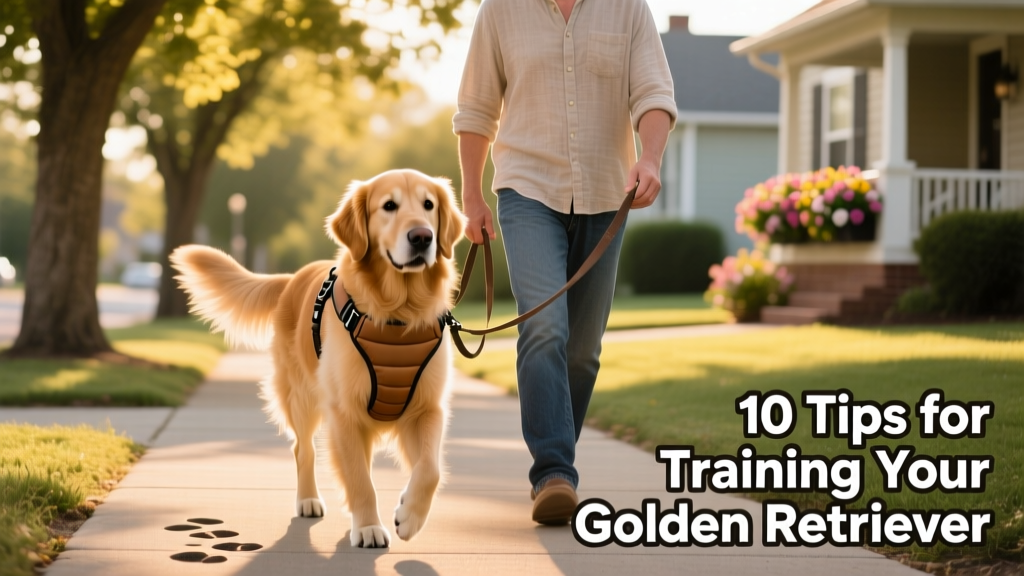
Because Goldens grow into strong, enthusiastic companions, consider supportive gear like a gentle leader head collar or a padded no-pull harness—both available at furpetvo.com. Pair it with a sturdy 4- to 6-foot flat training leash for clear communication and control during walks and practice sessions.
5. Make Training Clear
Clicker training is a powerful tool for precise communication. A quick, consistent “click” marks the exact moment your dog performs the right behavior—acting like a verbal “yes!” before the treat arrives. Dogs catch on fast: the click tells them, “That’s exactly what I wanted!” With repetition, they begin offering the behavior intentionally to earn rewards.
6. Make Training a Regular Part of the Day
Consistency beats intensity. Weave brief practice moments into daily routines: ask for “sit” before placing down their food bowl, call their name before picking up the leash, or practice “down” and “stay” after returning from a walk—when energy levels are lower and focus is higher. These micro-sessions add up to lasting fluency.
7. Make Training a Family Project
Involve everyone in the household—including other pets—to build shared understanding and positive relationships. Encourage each family member to practice essential cues:
- Sit
- Down
- Off (to leave people, counters, or furniture)
- Stay
- Come
- “All done” (a clear signal that training has ended)
Help other pets feel secure by using leashes, crates, or baby gates when supervision isn’t possible. Consistent, kind leadership from all family members strengthens your Golden’s confidence and cooperation.