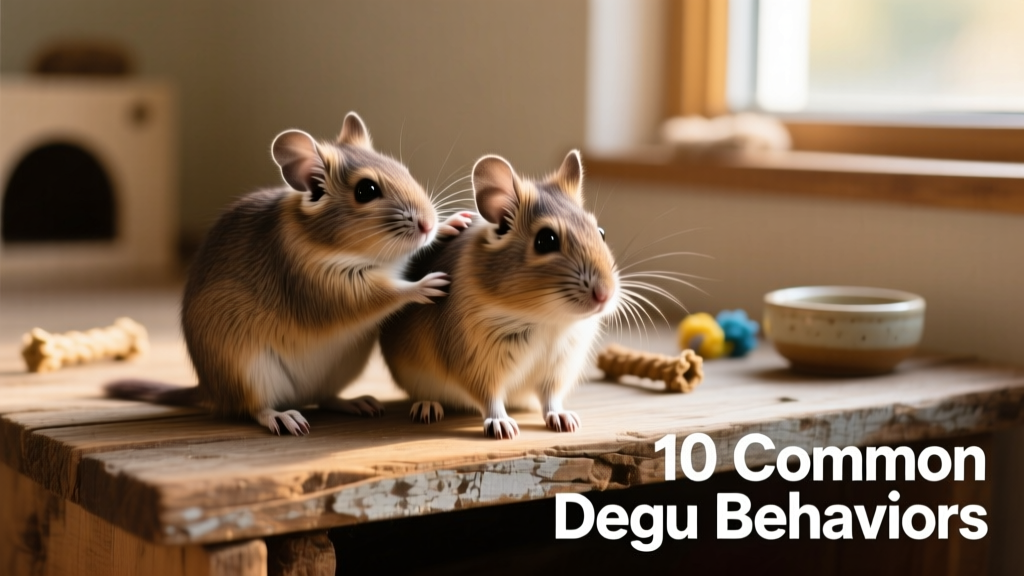
10 Common Degu Behaviors
Dig a degu? Or perhaps you just haven’t yet heard of this small rodent. Native to Chile, the degu is also known as the brush-tailed rat—and while it resembles a rat, its most distinctive feature is its furry, expressive tail. In fact, the name “degus” is thought to mean “mouse” or “rat” in Mapuche, an indigenous language spoken in parts of Chile and Argentina. So what’s life like with a degu as a companion? Let’s explore 10 common behaviors you’ll likely observe—and how to support your pet’s natural instincts.
1. Chewing and Chomping
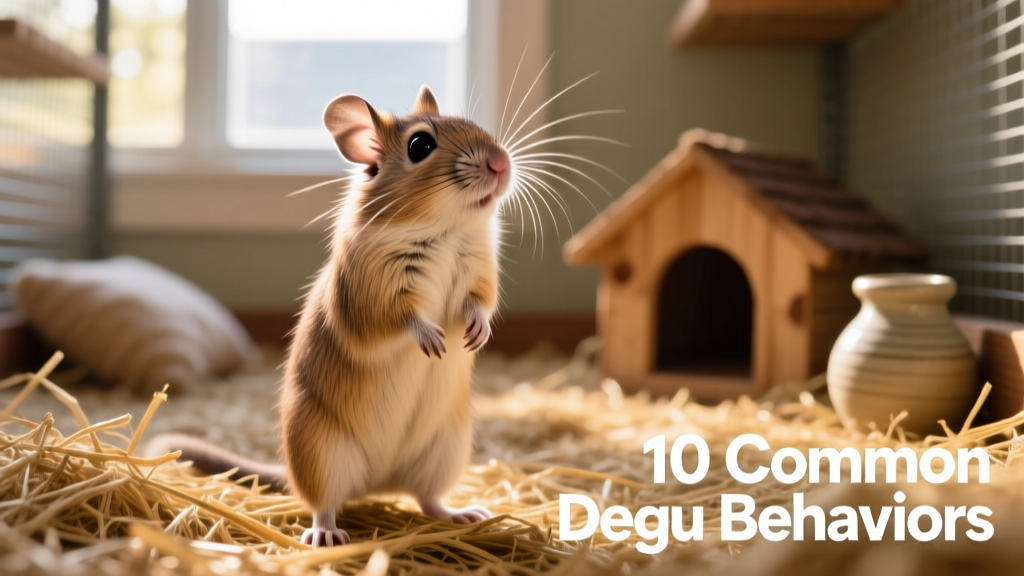
Like all rodents, degus have continuously growing incisors—and chewing isn’t optional, it’s essential. Without regular gnawing, their teeth can overgrow, causing pain and health issues. Providing safe, chew-friendly items (like untreated wood blocks or hay-based chews) supports dental health *and* protects your home. Never allow unsupervised free-roaming without thorough pet-proofing—especially around electrical cords and baseboards. A well-chewed cage is far safer than a chewed-out wall socket.
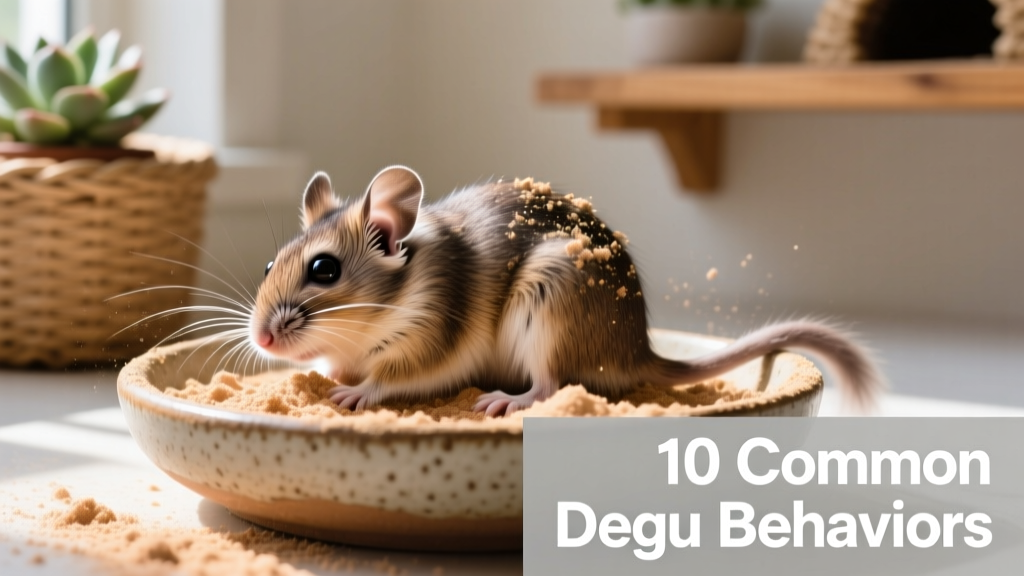
2. Bathing: Dust Beauties
Chinchillas aren’t the only ones who love a dust bath—and neither are degus! These little rodents need regular dust-bathing opportunities, ideally two to three times per week. Don’t be misled by the name: this dry, fine dust helps absorb excess oils, loosen debris, and keep their dense fur clean and healthy. Always use dust formulated specifically for degus—never chinchilla dust, which may be too fine—and offer it in a shallow, sturdy container large enough for rolling.
3. Hiding Food
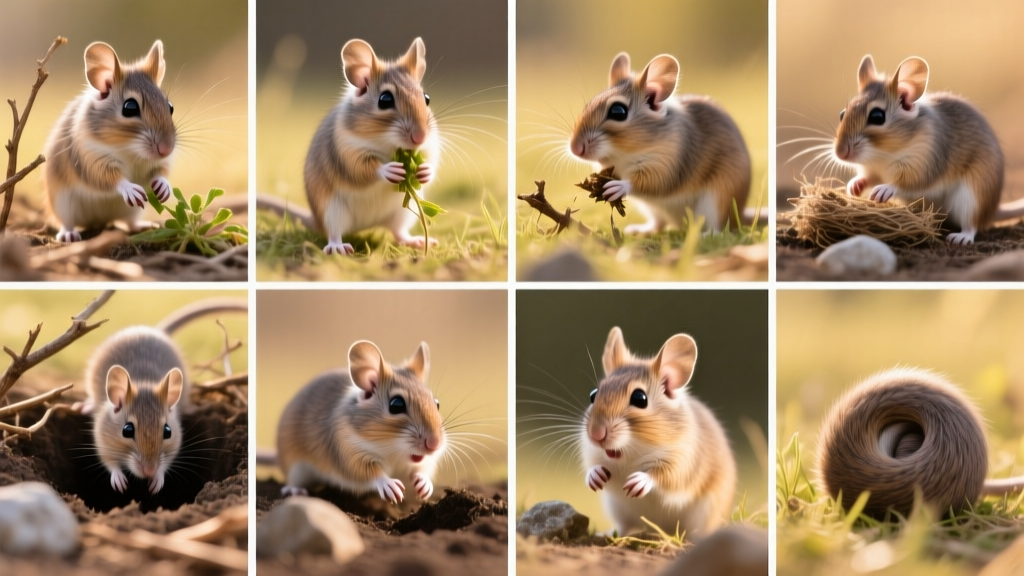
In the wild, degus prepare for leaner seasons by caching food—burying seeds and dried vegetation in burrows and scattered hiding spots. Your pet may replicate this instinct by stashing pellets or treats under bedding, behind toys, or even in unexpected places like rug fibers or furniture crevices. They’ll often revisit these caches, uncovering and reburying items repeatedly. This behavior is completely normal—and a sign your degu feels secure enough to engage in natural foraging habits.
4. They Dig It
Wild degus spend daylight hours foraging above ground—but they rely heavily on underground burrows for safety, temperature regulation, and rest. Your pet will almost certainly want to dig, too. Offer deep, soft, dust-free bedding like paper-based substrates or kiln-dried pine shavings (avoid cedar or aromatic woods). Provide tunnels, hideouts, and digging boxes to satisfy this instinct. Remember: degus are diurnal, so expect peak activity during early morning and late evening—not the middle of the night.
5. Frozen in Fear
Unlike many animals that flee when startled, degus often respond to stress or fear with stillness—a camouflage tactic honed in the wild. If your degu suddenly freezes, eyes wide and body rigid, don’t assume he’s ignoring you. He may be overwhelmed or sensing danger. Gently assess the environment—sudden noises, unfamiliar scents, or fast movements could be triggers. Return him to his familiar, quiet enclosure if needed, and give him time to regain confidence.

6. Peeing With Purpose
Urination is a primary way degus communicate territory and social status. In captivity, you’ll likely see your degu marking bowls, toys, hides, and even corners of the cage. If you house multiple degus, dominant individuals may overmark areas previously urinated on by others. To manage this, some owners place small, washable fabric squares in designated zones—giving your degus an approved spot to mark without compromising cleanliness elsewhere.
7. Nibble on You
A gentle nibble isn’t aggression—it’s affection. In the wild, degus groom each other as a bonding ritual. When your pet lightly nips or licks your hand or wrist, he’s treating you like family. It often happens after extended petting sessions or when he’s relaxed and trusting. Just be sure your hands are clean and free of strong scents (like lotions or food residue), which might confuse or overstimulate him.
8. Tail Wagging
Tail movement carries meaning: females may flick or wag their tails to signal receptivity during breeding season, while both sexes may use tail swishes or stomps to assert presence or display confidence. But here’s a critical safety note—never pick up or restrain a degu by the tail. Their tails are fragile and can detach (a process called caudal autotomy), and unlike some lizards, degus cannot regrow them. Always support their full body when handling—and double-check cage doors before closing to avoid accidental tail injury.
9. Tests of Dominance
As highly social animals, degus establish clear hierarchies—especially in multi-pet households. Mounting behavior, often mistaken for mating, is frequently a dominance display. If one degu persistently mounts another—or if you notice chasing, biting, or prolonged vocalizations—intervene calmly. Temporary separation, gradual reintroduction, and environmental enrichment (like extra hides and feeding stations) can ease tension and reinforce peaceful coexistence.
10. Many Sounds
Degus are surprisingly vocal—and each sound tells a story. Teeth chattering signals annoyance or mild stress. A rapid series of high-pitched squeaks usually means alarm—prompting immediate attention. But listen for the sweetest sound of all: a soft, melodic warble or chirp. That’s your degu’s happy song—proof he feels safe, content, and fully at home in his FurPetVo-designed habitat.